.jpg)


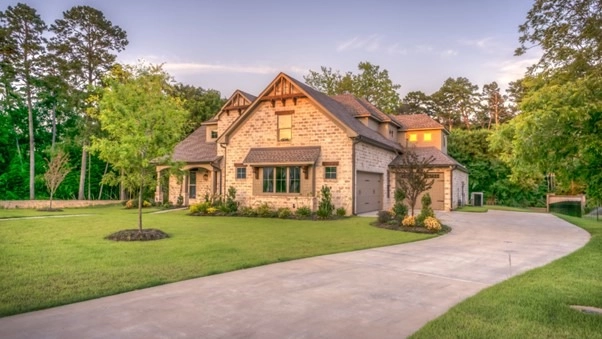
Hidden energy costs in a Colorado home come from four places: an under-sized or poorly tuned furnace fighting the altitude, gaps that let conditioned air escape, appliances that draw power around the clock, and a water heater running harder than it needs to. A one-day walkthrough with a flashlight and a utility bill in hand finds most of them.
Start With a Home Energy Audit
Before you spend a dollar on upgrades, get a clear picture of where a Front Range home is losing energy. A DIY walkthrough covers the basics: feel around windows, outlets and door frames for drafts; check attic and crawl space insulation depth; note the age of the furnace, water heater and major appliances; and scan for incandescent bulbs still in service.
A professional energy audit adds a blower door test and infrared camera, which pinpoint leaks a homeowner would never find by hand. Many Front Range HVAC contractors offer this as a standalone service, and Abode is a solid resource for homeowners who want a deeper library of DIY efficiency guides before they call anyone.
Why Denver's Altitude Changes How Your Furnace Performs
At roughly 5,280 feet, Denver air is thinner than the sea-level air most furnaces are rated for. A furnace installed without an altitude adjustment burns gas at the wrong ratio and puts out less heat than its rated capacity, so the system runs longer to hit the same temperature. That longer runtime is a hidden cost that never shows up as a single line item on the utility bill; it just shows up as a bill that is higher than a similar home at sea level.
When a technician services an HVAC system above 5,000 feet, ask directly whether the gas orifice and manifold pressure were set for altitude. A furnace tuned for sea level can lose a meaningful share of its rated output once it's running in Denver, Aurora, Colorado Springs or anywhere else on the Front Range.
How Xcel Energy Rates and Time-of-Use Pricing Shape Your Bill
Xcel Energy serves most of the Front Range, and its time-of-use rate plans charge more for electricity used during weekday afternoon and evening peak hours. A homeowner who runs the dishwasher, EV charger and air conditioner between 3 p.m. and 7 p.m. pays more per kilowatt-hour than one who shifts those loads to late evening or early morning. Shifting laundry and dishwashing to off-peak hours is a free fix that shows up on the next bill.
Xcel Energy also runs rebate programs for insulation, air sealing, smart thermostats and heat pump upgrades. The rebate amounts change from year to year, so confirm the current number on xcelenergy.com before budgeting a project rather than relying on a figure from an old blog post.
Energy Vampires: Devices Draining Power While You're Away
Televisions, gaming consoles, phone chargers, microwaves and coffee makers with digital clocks pull a small current even when switched off. Individually the draw is tiny; across a whole house running year-round it adds up to a real number on the annual bill. A power strip that gets flipped off at night, or a set of smart plugs that cut power to idle devices automatically, closes that gap without changing how anyone uses the house.
Insulation Gaps in Front Range Homes
Homes built before the 1990s across Denver, Aurora, Lakewood, Littleton and Centennial were framed to older insulation standards, and the attic is almost always the biggest gap. Adding fiberglass batts or blown cellulose in the attic, sealing the rim joist in the basement, and checking crawl space insulation are the three highest-value places to start.
| Area | Typical gap in older Front Range homes | Fix |
|---|---|---|
| Attic | Insulation below current recommended depth | Add blown cellulose or fiberglass batts |
| Rim joist / basement | Uninsulated band around the foundation | Rigid foam board, sealed at the edges |
| Crawl space | No vapor barrier, thin or missing insulation | Vapor barrier plus batt or spray foam insulation |
| Exterior walls | Original 1970s-1990s batt insulation, settled or compressed | Dense-pack cellulose blown in through small wall openings |
Drafts, Windows and Doors: The Fastest Payback
A lit candle held near a window or door frame flickers when it hits a draft; a flashlight held outside a door frame at night shows the same gaps as visible light from inside. Weatherstripping, door sweeps and caulk around window frames cost little and pay for themselves in one heating season. Sealing drafts is consistently the highest-return, lowest-cost fix on this list.
Water Heating and Colorado's Dry Air
Water heating accounts for a meaningful share of a home's total energy bill. Setting the tank to 120°F, wrapping an older tank in an insulating blanket, and installing low-flow fixtures cut that cost without changing anyone's shower. Colorado's dry climate also leads many homeowners to add a whole-house humidifier tied to the furnace; an oversized or poorly maintained humidifier can itself become a hidden energy and water cost, so have it checked during the annual furnace service.
Does Denver's 2022 Energy Code Apply to Your Upgrade?
Denver adopted a stricter energy code in 2022 that raises the insulation, air-sealing and equipment-efficiency bar for new construction and for many major remodels. If a renovation touches the building envelope, the electrical panel or the HVAC system, check with the Denver Community Planning and Development office, or the equivalent building department in Aurora, Lakewood or Colorado Springs, before assuming the old rules still apply.
What Energy Upgrades Return at Resale on the Front Range
National cost-vs-value data consistently ranks attic insulation as one of the few remodeling projects that returns more than its full cost at resale, and buyers touring homes across the Front Range now ask about the age of the furnace and water heater as routinely as they ask about the roof. Sellers preparing to list should read the Kenna Real Estate Group's guide to adding value before selling and its companion pricing guide, which both cover which fixes buyers actually pay for versus which ones simply need to happen before closing.
Should You Add Solar to Cut Hidden Energy Costs?
For homeowners who have already sealed drafts, upgraded insulation and tuned the furnace, solar is the next lever. Colorado's net metering rules and Xcel Energy's Solar*Rewards program let homeowners offset a real share of remaining electric costs, and Colorado's solar-access law limits how far an HOA can restrict a properly placed system. A licensed solar installer can model the payback against current Xcel rates before any contract is signed.
Weatherization Assistance for Fixed-Income Colorado Homeowners
Colorado's Weatherization Assistance Program, run through the state Department of Local Affairs and local community action agencies, covers insulation, air sealing and furnace repairs for income-qualified households at no cost. It's worth checking eligibility before paying out of pocket for the same work.
Where to go next
- Adding value before you sell a Colorado home
- Pricing your Colorado home to sell
- Search homes for sale in Denver
- Green and energy-efficient homes in Denver
- Why a high-efficiency HVAC system helps Colorado sellers
- Meet the Kenna Real Estate Group agents
Talk to the Kenna Real Estate Group
The Kenna Real Estate Group helps Front Range homeowners understand which energy fixes matter before a sale and which ones can wait. Call or text 303-955-4220. A live person answers. Not a robot, not a phone tree. You can also search every home for sale in Colorado while you plan your next move.