New - 30 Mins Ago

.jpg)


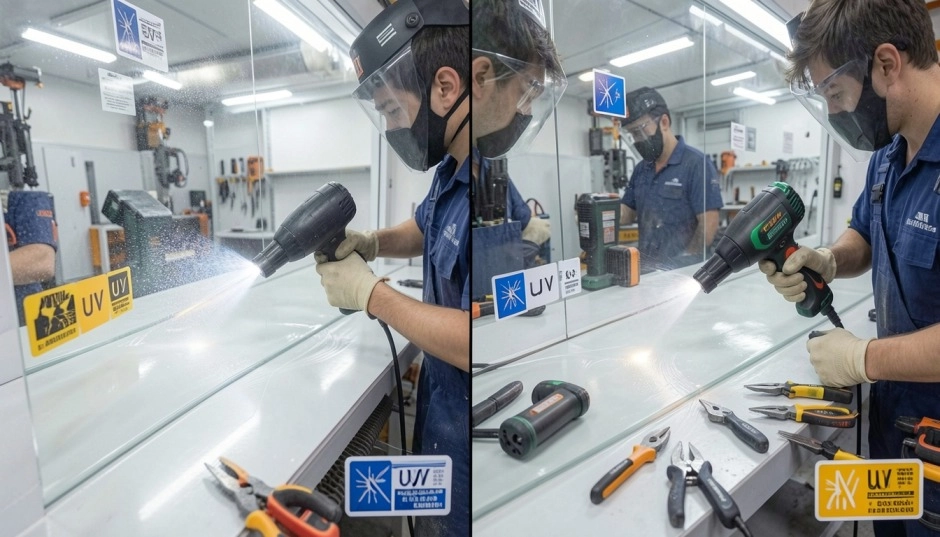
Protective window film costs $2 to $5 a square foot in materials for a DIY kit and $6 to $12 a square foot professionally installed, which puts a whole-house job in a typical Denver metro home between $1,500 and $4,500. The decision between doing it yourself and hiring a window film company comes down to window count, glass condition, and how much a bubbled or peeling edge on a south-facing window would bother you for the next 10 years.
A DIY kit runs $2 to $5 a square foot in film alone, and a homeowner comfortable with a squeegee and a spray bottle can film a standard double-hung window in 30 to 45 minutes. A professional installer charges $6 to $12 a square foot including labor, and most Front Range companies price a whole-house job, 15 to 25 windows in an average single-family home, between $1,500 and $4,500.
DIY film saves 40% to 60% on cost but carries a real risk of visible bubbles, dust trapped under the film, and edges that lift within a year, especially on large picture windows common in Front Range great rooms. Professional installers use a wet-application method with squeegees, heat guns, and edge trimming that produces a cleaner result and comes with a 10- to 15-year manufacturer warranty that most DIY kits do not include. A single small window or a rental property favors DIY; a home with large south- or west-facing glass that the owner plans to keep for years favors hiring a professional.
Most quality window films block 99% of UVA and UVB transmission, and that number matters more in Colorado than in a lower-elevation market because UV intensity increases with altitude. A Denver home at 5,280 feet gets meaningfully more UV exposure through unprotected south- and west-facing glass than the same home would at sea level, which is why hardwood floors, rugs, and upholstery in Front Range homes fade faster near uncovered windows.
No. Window film is a surface application, not a structural or code-regulated change, so no building permit applies in Denver or any Front Range city.
Some do. An HOA or metro district in Highlands Ranch, Castle Rock, or Lone Tree restricts reflective or mirrored film visible from the street in some communities, even though clear UV-blocking film rarely draws review. Check the community's design guidelines before ordering a tinted or reflective product, and see the Kenna Real Estate Group's Denver HOA rules and fees guide for what a typical architectural review covers.
Solar control films reduce heat gain through south- and west-facing glass by 30% to 60%, which lowers air conditioning load during Front Range summer afternoons. Xcel Energy's residential rebate programs periodically include qualifying window film and other building-envelope upgrades; check the current program list before buying.
Quality film rated for temperature swings holds up through the Front Range's freeze-thaw pattern, but film installed on cracked or failing glass seals can bubble at the point where moisture already gets between the panes. Have a window's seal checked before filming it if the glass already shows fogging between panes.
A professionally installed ceramic or dyed film lasts 10 to 15 years under Colorado's UV exposure, backed by the manufacturer warranty most installers include. DIY film shows edge lifting or bubbling within 2 to 5 years on many jobs, especially on large south- or west-facing panes that take the most direct sun.
Standard window film is not rated to stop glass breakage from large hail; it is a UV and heat-control product, not an impact product. A separate security or impact-rated film exists for that purpose and is a different product line from the UV-blocking film most homeowners install for fading and glare control. Homeowners in a high hail-frequency ZIP code who want both benefits should ask an installer specifically about impact-rated film rather than assuming standard film covers it.
Dyed film is the lower-cost option, blocking UV and reducing glare through a colored layer, but it fades or turns purple over 5 to 10 years of intense Colorado sun. Ceramic film costs more, 20% to 40% above dyed film, but holds its color and blocks more infrared heat without the visible tint darkening a room as much, which is why most Front Range professional installers recommend it for south- and west-facing glass.
| DIY kit | Professional install | |
|---|---|---|
| Cost per sq ft | $2 to $5 | $6 to $12 |
| Whole-home cost | $500 to $1,800 | $1,500 to $4,500 |
| Warranty | Rarely included | 10 to 15 years typical |
| Best fit | 1 to 3 small windows | Large glass, whole-house jobs |
Buyers rarely ask about window film directly, but a home with visibly faded floors or furniture near uncovered south-facing glass reads as poorly maintained in a walkthrough. Protecting flooring finishes with film ahead of a sale protects the flooring investment more than it adds a line-item value of its own; see the Kenna Real Estate Group's Colorado home seller's guide for other small fixes that read well in listing photos.
Ask for the printable window-by-window cost worksheet in the form below and the Kenna Real Estate Group emails it the same day.
Weighing which window and glass updates are worth doing before a Front Range home hits the market? The Kenna Real Estate Group walks sellers through what buyers actually notice. Call or text 303-955-4220. A live person answers. Not a robot, not a phone tree. Or search every home for sale in Colorado.
Questions about any home in Colorado? Call or text 303-955-4220. A live person answers.
$2 to $5 a square foot in materials for DIY, or $6 to $12 a square foot professionally installed. A whole-house job runs $1,500 to $4,500.
For one to three small windows, yes, saving 40% to 60% on cost. For large picture windows or a whole-house job, a professional install avoids bubbles and lifted edges.
Most quality films block 99% of UVA and UVB transmission, which matters more at Denver's 5,280-foot altitude than at sea level.
No. Film is a surface application and does not require a building permit anywhere on the Front Range.
Some restrict reflective or mirrored film visible from the street. Clear UV-blocking film rarely draws review, but check the community's design guidelines first.
Solar control film reduces heat gain through south- and west-facing glass by 30% to 60%, lowering air conditioning load during Front Range summers.
Quality film rated for temperature swings holds up. Film applied over glass with a failing seal can bubble where moisture already sits between the panes.
It protects flooring and furniture from fading rather than adding its own resale line item, which matters in a walkthrough where faded floors near a window read as neglect.


