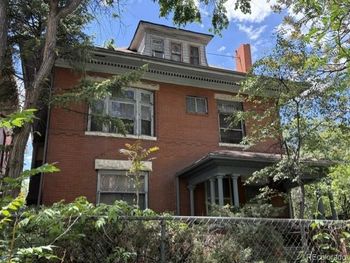
New - 1 Hour Ago

$305,000
Active
2
Beds
2
Baths
1150
Sqft
--
Acres
8500 E Jefferson Ave #10G, Denver, CO 80237
MLS#: 1994128
.jpg)



A 12,000 BTU mini split heats and cools a well-insulated 400 to 550 square foot garage or workshop in a Colorado climate; a garage with poor insulation, a lot of glass, or a lot of tool heat load needs less square footage per ton to stay comfortable. The right size depends on insulation, ceiling height, winter design temperature and how the space gets used, not floor area alone.
12,000 BTU equals one ton of cooling capacity. In a well-sealed, insulated garage on the Front Range, that covers roughly 400 to 550 square feet. An uninsulated garage, a garage with a single-pane window wall, or a shop with welding or woodworking equipment that adds heat load needs a bigger unit or a second zone for the same square footage.
Standard heat pumps lose cooling and heating capacity as the outdoor temperature drops, and Denver's winter design temperature runs well below freezing on the coldest nights. A cold-climate mini split, rated to maintain capacity down to 5 degrees Fahrenheit or lower, holds output through a Front Range winter far better than a standard-efficiency unit. Ask specifically for the manufacturer's capacity rating at 5 and at minus 5 degrees, not just the nameplate BTU number, before you buy.
Denver's intense high-altitude sun heats an uninsulated garage fast in summer and lets it cool fast at night once the sun sets, which widens the temperature swing a mini split has to manage. Insulating the garage door, walls and ceiling before sizing the unit lets a smaller, less expensive mini split do the job that an uninsulated space would need a bigger unit to cover.
A mini split installation needs an electrical permit for the new circuit and disconnect, and Denver's 2022 energy code sets efficiency requirements for new HVAC equipment installed in the city. A licensed HVAC contractor pulls this permit as part of the installation; confirm it is included in your quote rather than assumed.
Xcel Energy offers rebates on qualifying high-efficiency and cold-climate heat pump installations, including mini splits, for Colorado customers. Rebate amounts and eligible equipment change, so check the current program at xcelenergy.com before you finalize the equipment model, since the rebate can shift which size or efficiency tier makes the most financial sense.
Many Front Range HOAs and metro districts have rules on where an exterior condenser unit can sit, how it is screened from the street, and what noise level is allowed. Confirm placement with the HOA architectural committee before the installer mounts the outdoor unit, since moving it after installation costs more than the approval delay.
A detached garage loses heat on four exposed walls and a roof, while an attached garage shares at least one wall with a conditioned house, which reduces the heat loss on that side. A detached shop needs a slightly larger unit, or better insulation, than an attached garage of the same square footage to hit the same comfort level.
Power tools, a compressor, welding equipment and ventilation for dust or fumes all add heat and airflow demands a simple garage does not have. A workshop that runs equipment for hours at a time benefits from sizing a step up from the square-footage chart alone, plus a dedicated exhaust fan sized separately from the mini split.
| Garage or shop size, well insulated | Typical mini split size |
|---|---|
| Up to about 300 sq ft | 9,000 BTU |
| About 400 to 550 sq ft | 12,000 BTU |
| About 550 to 750 sq ft | 18,000 BTU |
| Over about 750 sq ft or a heavy tool load | 24,000 BTU or two zones |
A 12,000 BTU mini split is a reasonable starting point for a mid-size, well-insulated single-car-plus garage or a small workshop; walk through your specific insulation and winter-use plans with an installer before ordering. General guidance on choosing a mini split AC covers the indoor-unit style options, wall-mounted versus ceiling cassette, worth comparing for a garage layout.
A single-zone 12,000 BTU mini split installed by a licensed Colorado HVAC contractor, including the electrical circuit, runs in the range most homeowners budget between $3,000 and $6,000, before any Xcel Energy rebate. Two-zone systems and units with a larger capacity cost more.
A permitted, insulated and climate-controlled garage or workshop is one of the additions that shows up favorably in a Denver-area home's listing photos and appraisal notes. See preparing and adding value before selling for how buyers and appraisers weigh a finished garage against an unfinished one.
A garage split into a finished workshop area and an unfinished storage bay, or a garage with a second story or loft, performs better with two smaller zones than one 12,000 BTU unit trying to cover the whole footprint evenly. Two zones also let you condition only the area in use, which cuts the electric bill on days when only the workbench side needs heat or air conditioning.
A single 12,000 BTU mini split runs on a dedicated 208-240V circuit, which most Front Range homes with a 100-amp or larger panel add without a full panel upgrade. A garage that already has an EV charger, a second mini split zone, or older, smaller electrical service sometimes needs a panel or subpanel upgrade to add the circuit. Ask your electrician to check available capacity before you commit to equipment.
A garage or workshop mini split filter clogs faster than one in a living room because of sawdust, vehicle dust and Front Range pollen counts. Clean or replace the filter monthly during heavy-use seasons instead of the quarterly schedule that works for an indoor living space, and keep the outdoor unit clear of snow drift against the coil each winter.
A mini split conditions the air; it does not exhaust fumes, dust or combustion byproducts from welding or gas-powered equipment. Pair it with a separate exhaust fan sized for the specific work you do, and keep the two systems on separate switches so the exhaust fan does not pull conditioned air straight back out the moment it runs.
Mount the indoor head high on a wall away from the garage door opening, where cold air rushes in every time the door lifts. A unit mounted too close to the door cycles constantly trying to recover the temperature each time someone pulls a vehicle in or out.
Wondering whether a finished garage or workshop upgrade pays off before you list your Front Range home? The Kenna Real Estate Group can tell you what buyers in your neighborhood are actually paying for. Call or text 303-955-4220. A live person answers. Not a robot, not a phone tree. Or search every home for sale in Colorado.
Questions about any home in Colorado? Call or text 303-955-4220. A live person answers.
Only if it is well insulated. An insulated two-car garage around 400 to 550 square feet fits a 12,000 BTU unit; a larger or poorly insulated two-car garage needs 18,000 BTU or more.
A cold-climate mini split rated to maintain capacity at 5 degrees Fahrenheit or lower holds output through a Front Range winter. A standard-efficiency unit loses capacity as temperatures drop.
Yes. The installation needs an electrical permit for the new circuit and disconnect, and Denver's 2022 energy code sets efficiency requirements for the equipment. A licensed HVAC contractor handles this as part of the job.
Xcel Energy offers rebates on qualifying high-efficiency and cold-climate heat pump installations for Colorado customers. Check current eligible models and amounts at xcelenergy.com before you buy.
Many Front Range HOAs and metro districts regulate condenser placement and screening. Confirm with the architectural committee before installation.
A single-zone 12,000 BTU installation, including the electrical circuit, falls between $3,000 and $6,000 before any Xcel Energy rebate.
A permitted, insulated and climate-controlled garage shows up favorably in listing photos and appraisal notes on a Front Range home.