.jpg)


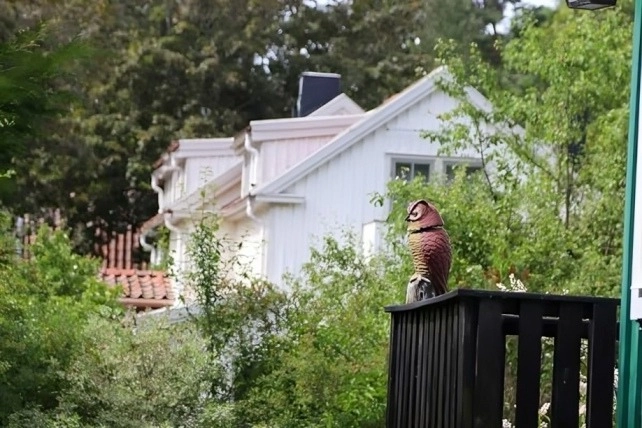
A new Front Range backyard needs shade, a hard surface that won't heave with the soil, and furniture rated for sun and hail before it needs a single decorative extra. Get those three right in the first season and everything added later, a grill, a fire pit, string lights, sits on a foundation that already works.
Start with shade and seating on the surface that already exists, a concrete patio, a deck, or even a gravel pad, before spending on permanent structures. Colorado's 300 days of sun a year means an unshaded backyard is unusable for hours during summer afternoons, and that's the gap a first season of entertaining runs into fastest.
A ground-level patio using pavers, stone, or a poured slab under 30 inches doesn't need a permit in Denver and most Front Range cities in most cases. A covered structure, an outdoor kitchen with gas or electrical lines, or a fire feature does in most cases. Check with the local building department before any project involving gas, electrical, or a permanent roof.
Plan for shading at least half of the seating and dining area. UV exposure at Denver's 5,280-foot elevation runs stronger than at sea level, and an entertaining space with zero shade sits empty during the exact afternoon hours when a summer gathering happens. A market umbrella, shade sail, or pergola over the main seating cluster solves most of it in the first year.
Most Front Range HOAs and metro districts require a submission before installing a permanent fire pit or fireplace, covering fuel type, distance from structures, and sometimes a local fire district sign-off. A portable propane fire table sidesteps most of that review and works for a first season while the permanent version goes through approval.
Interlocking pavers handle Colorado's freeze-thaw cycle and expansive soil better than a single poured concrete slab, because individual pavers can shift slightly without cracking the way one continuous slab does. Concrete costs less upfront and installs faster, which matters for a homeowner setting a tight first-year budget.
Water boils at a lower temperature at Denver's elevation, which extends cook times for anything simmered or boiled outdoors. Direct grilling temperatures aren't affected the same way, but propane and charcoal both burn slightly differently at altitude, so a first cookout runs a few extra minutes on food a new homeowner is used to timing at sea level.
A Front Range day that starts at 45 degrees and climbs to 85 by afternoon stresses materials that expand and contract, which is part of why untreated wood and basic plastic resin crack faster here than in a milder climate. Metal frames and synthetic wicker handle the daily swing with less wear over a few years.
A basic setup, seating for six to eight, a shade umbrella, and a portable fire table, runs $1,500 to $4,000. Adding a grill station and additional lighting pushes that to $3,000 to $7,000. A full built-in patio with a pergola and outdoor kitchen runs well into five figures and is worth phasing in over a few seasons rather than building all at once in the first year.
Yes. A quality tailgate tent sets up fast, packs down for storage, and covers as much shaded seating area as a fixed pergola at a fraction of the cost, which makes it a practical first-season shade solution before committing to a permanent structure.
Denver and most Front Range cities set quiet hours, commonly starting around 10 p.m. on weeknights and later on weekends, under local noise ordinances. HOA rules sometimes add their own limits on outdoor speakers and event size. Checking both before planning a larger gathering avoids a neighbor complaint in the first season.
Colorado's bentonite clay soils swell and shrink with moisture, and a patio base that skips a proper gravel and sand sub-base shifts within a season or two. A contractor who compacts the base correctly for local soil conditions costs more upfront but avoids a patio that heaves by the second winter.
Yes. Store cushions indoors or in a weatherproof box before the first freeze, cover or store frames, and drain any water features before temperatures drop. Front Range winters bring hard freezes even in a mostly mild season, and furniture left uncovered outdoors degrades faster here than in a climate without the freeze-thaw swing.
A usable, well-maintained outdoor entertaining space reads well in listing photos and during showings across Aurora, Lakewood, and Littleton, where buyers weigh outdoor living space heavily given Colorado's climate. The adding value before selling guide covers which outdoor improvements return the most when the home eventually sells.
Shade and seating first, a hard surface second if the yard doesn't already have one, then permanent features like a fire pit or outdoor kitchen once the HOA approval and permit questions are answered. Building in that order keeps the yard usable at every stage instead of unusable for a full season during a big single project.
The Kenna Real Estate Group helps new Front Range homeowners understand what their lot and HOA allow before a backyard project starts, and helps buyers read outdoor space during a showing. Call or text 303-955-4220. A live person answers. Not a robot, not a phone tree. Search every home for sale in Colorado to see current listings across the Front Range.
Questions about any home in Colorado? Call or text 303-955-4220. A live person answers.
$1,500 to $4,000 for seating for six to eight, a shade umbrella, and a portable fire table.
In most cases yes, since it isn't a permanent structure. A built-in fire pit or fireplace almost always needs a submission first.
Interlocking pavers, since individual units shift slightly with ground movement instead of cracking the way one poured slab can.
Spring through September. Fitted furniture covers during that window cut dents and fabric damage from storm activity.
Most cities set quiet hours starting around 10 p.m. on weeknights; check the local noise ordinance and any HOA rules before a larger event.
Cushions and fabric pieces should move indoors or into a weatherproof box before the first hard freeze; frames should be covered or stored.