New - Just Now
$750,000
Active
--
Beds
--
Baths
--
Sqft
35.21
Acres
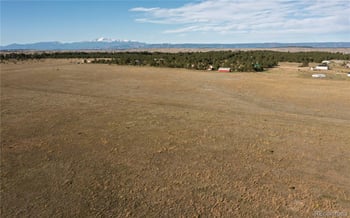
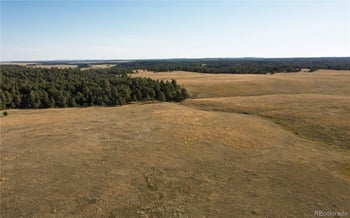
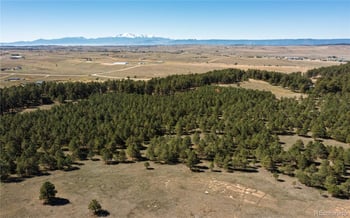
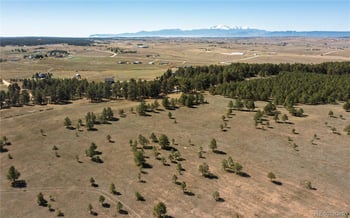
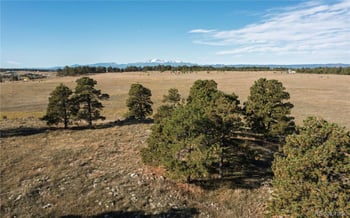
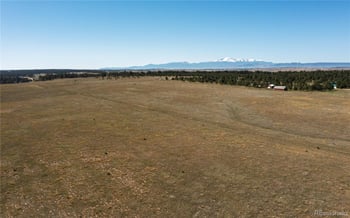
PAR 4 Walker Rd, Colorado Springs, CO 80908
MLS#: REC4742736
.jpg)



A property line dispute in Colorado starts with the same first move every time: pull the recorded survey or plat map for both properties before any conversation with the neighbor happens. Most disputes get resolved with a survey, a calm conversation and, when needed, a mediator, without ever reaching a courtroom.
Every Colorado county recorder's office holds plat maps and recorded surveys tied to a property's legal description. Pull yours before anything else. If the home was built in the last 20 years, an ALTA/NSPS land title survey or an improvement location certificate from the original purchase should already show the boundary lines and any encroachments. If no survey exists, a licensed Colorado surveyor can produce one; budget $500 to $1,500 for a standard residential boundary survey along the Front Range, more for large or irregular lots.
Compare the surveyed line against physical markers, fences, hedges, retaining walls, sheds, on both properties. A fence built years ago rarely matches the recorded line exactly. Photograph every point where a structure crosses or approaches the boundary before raising the issue with a neighbor; that record matters if the dispute escalates.
Colorado law allows a neighbor to claim ownership of a strip of land after a long period of open, continuous use, commonly described as an 18-year period under Colorado's adverse possession statute. That is a long window compared to some states, but it means a fence or landscaping feature left in place for years can shift the practical boundary even when the recorded survey says otherwise. A fresh survey and a signed boundary line agreement, recorded with the county, close that gap before it becomes a legal claim.
Bring the survey to the conversation and lead with it. A boundary talk grounded in a document produces a faster resolution than one built on memory or old fence lines. Set a specific time to walk the property together rather than raising it over a shared fence line in passing.
Many Front Range subdivisions sit inside an HOA or a metro district with its own fence height, material and setback rules layered on top of the county's zoning code. Check those covenants before installing a new fence on a disputed line; a fence that solves the boundary question but violates HOA rules creates a second dispute. Denver, Aurora, Colorado Springs and other Front Range cities also each set their own setback and permit rules for fences over a certain height, so confirm with the city or county building department before construction starts.
When a direct conversation stalls, a neutral mediator moves the process forward faster than litigation and at a fraction of the cost. Colorado has community mediation programs in most Front Range counties that handle boundary and neighbor disputes specifically. A mediator does not decide who is right; the mediator structures the conversation so both sides reach a written agreement they can both sign and, ideally, record with the county.
If mediation does not resolve the dispute, or if one side refuses to participate, a property lawyer lays out the legal options, including a quiet title action to have a court formally settle the boundary. Property rights lawyers also handle these cases and can flag whether an adverse possession claim has already ripened before a fresh survey and negotiation even start. A short letter from an attorney resolves many disputes without a filed case.
Colorado's seller disclosure form asks directly about boundary line disputes and encroachments. An unresolved dispute has to be disclosed to a buyer, and it can slow or derail a sale if it surfaces during the buyer's inspection period. Resolving the boundary before listing, rather than during the inspection objection deadline, keeps a sale on schedule and avoids a price reduction negotiated under pressure.
A standard owner's title policy covers boundary issues that existed at the time of purchase and were not disclosed by a proper survey; it does not cover a new encroachment that appears after closing, such as a neighbor's shed built two years later. Reading the survey exception language on the title commitment before closing on a Front Range home is worth the extra ten minutes with a real estate agent or title officer.
Front Range winters add a wrinkle most other states do not deal with: snow load bends chain-link and wood fencing every year, and a fence rebuilt after a hard winter can land a few inches off its original line. Photograph and measure a fence before removing snow damage so the replacement goes back exactly where the old one stood, tied to the survey rather than to memory of where the posts used to be.
Older Front Range properties, especially in Arvada, Golden, Westminster and parts of unincorporated county land, sometimes have an irrigation ditch or shared water right running along or near the property line. Ditch easements carry their own maintenance obligations separate from the boundary line itself, and a ditch company or homeowners' association sometimes holds a recorded easement that limits what either neighbor can build near the water feature. Pull the ditch company's records along with the county survey before planning any fence, shed or landscaping project near a shared ditch.
Denver, Aurora, Colorado Springs, Lakewood and most Front Range cities require a building permit for a new fence over a set height, a retaining wall, or any structure close to a property line, and each city sets its own setback distance. A permit reviewer checks the submitted survey against the proposed structure before approval, so an unresolved boundary question stalls the permit until it is settled. Confirm the setback rule with the specific city or county building department rather than assuming the same rule applies across the Front Range.
| Step | Front Range cost range |
|---|---|
| Standard residential boundary survey | $500 to $1,500 |
| Community mediation session | $0 to $250 per session in most counties |
| Attorney demand letter | $300 to $900 |
| Quiet title action (contested) | $3,000 and up, case-dependent |
Buying or selling near a disputed line changes how a Front Range home should be priced and marketed. The Colorado home seller's guide and preparing and adding value before selling guide cover how disclosed boundary issues affect buyer negotiations.
The Kenna Real Estate Group helps Front Range homeowners sort out a boundary question before it turns into a sale problem, from pulling county records to connecting with a surveyor or mediator. Call or text 303-955-4220. A live person answers. Not a robot, not a phone tree. Start by browsing search every home for sale in Colorado.
Questions about any home in Colorado? Call or text 303-955-4220. A live person answers.
Pull the recorded plat map and survey from the county recorder's office before talking to the neighbor. Most disputes get resolved faster once both sides are looking at the same recorded document instead of memory or an old fence line.
A standard residential boundary survey runs $500 to $1,500 in most Front Range counties, more for large or irregularly shaped lots. A licensed Colorado surveyor produces a document both neighbors and, if needed, a court can rely on.
Yes. Colorado allows a neighbor to gain ownership of land after roughly 18 years of open, continuous use, so a fence or landscaping left in place for years can shift the practical boundary even against the recorded survey.
Start with mediation when both neighbors are willing to talk but cannot agree on the line. Community mediation programs in most Front Range counties handle boundary disputes at a fraction of the cost of litigation.
Yes. Colorado's seller disclosure form asks directly about boundary disputes and encroachments, and an unresolved dispute can slow or derail a sale during the buyer's inspection period.
A standard owner's title policy covers boundary problems that existed at purchase and were not disclosed by a proper survey; it does not cover a new encroachment, such as a shed built after closing.
Many Front Range subdivisions have HOA or metro district rules on fence height, material and placement layered on top of city or county setback rules, so check covenants and permits before building on a disputed line.
A property lawyer can send a demand letter or file a quiet title action asking a court to formally set the boundary; a short attorney letter resolves many disputes before a case is ever filed.