.jpg)


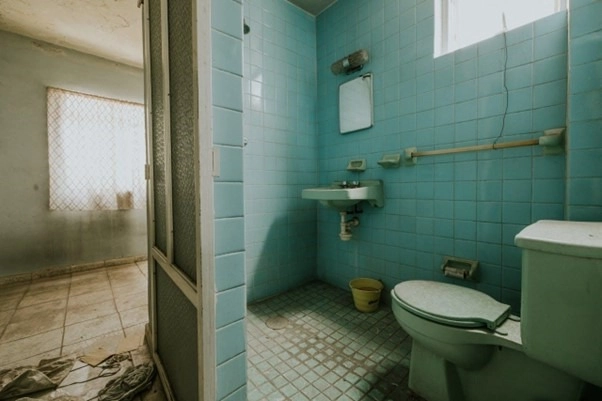
A bathroom with visible mold, a musty smell or a slow leak raises the same question for every Front Range seller: fix it before listing, or price the home to account for it. Colorado's hard water, expansive clay soils and pre-1970 clay sewer lines all make bathroom leaks more common here than in many other markets, which means buyers' inspectors know exactly what to look for.
Does Bathroom Mold Have to Be Disclosed in Colorado?
Colorado's seller disclosure requirements call for disclosing known material defects, and mold or an active leak a seller knows about qualifies. Disclosing it upfront, alongside any repair or inspection records, keeps a known issue from becoming a bigger negotiating point during the inspection objection period than it needs to be. A buyer who discovers an undisclosed, previously known leak after closing has grounds to pursue the seller, so disclosure protects the seller as much as it informs the buyer.
Why Hard Water Makes This Worse on the Front Range
Denver Water and most other Front Range utilities deliver moderately hard water, and mineral buildup from that hardness narrows pipe diameter over years, slows drainage, and stresses fixture seals and shower valves in ways that create the slow, hard-to-notice leaks that eventually show up as mold behind a wall or under a vanity. A water softener addresses the buildup going forward, but it does not undo mineral deposits already restricting an older bathroom's supply lines.
Pre-1970 Clay Sewer Lines
Denver and many older Front Range neighborhoods built before 1970 used vitrified clay pipe for the sewer lateral running from the house to the main line, and clay pipe is prone to root intrusion and cracked joints over 50-plus years, both of which can push sewer gas and moisture back toward the house and contribute to persistent bathroom odor and mold that a surface cleaning never fully resolves. A sewer scope, a camera run down the lateral, costs $150 to $400 and is one of the most useful inspections a seller of a pre-1970 Front Range home can order before listing.
Expansive Soil and Pipe Breaks
The bentonite clay soil common across the Denver metro expands when it absorbs moisture and contracts as it dries, and that repeated movement stresses rigid pipe connections under a slab or crawlspace, which is a documented cause of pipe breaks in Front Range homes that has nothing to do with the age or quality of the original plumbing. A break under a bathroom slab commonly shows up first as a persistently damp spot on the floor or a rising water bill before it becomes visible mold.
Hard Water and Water Heater Life
Mineral scale from Front Range hard water settles inside a tank water heater over years, coating the heating element and the bottom of the tank, which shortens the unit's working life and, in a bathroom-adjacent utility closet, occasionally contributes to a slow tank leak as the metal corrodes under the scale buildup. A tank water heater on the Front Range commonly lasts 8 to 12 years rather than the 10 to 15 years it can reach on softer water, and a seller replacing a water heater near or past that range before listing removes one more item a buyer's inspector flags.
Sprinkler Blowouts and Indoor Plumbing
Front Range homeowners who skip the fall sprinkler blowout, using compressed air to clear irrigation lines before the first hard freeze, risk a frozen and cracked line that sometimes backs pressure into an adjacent indoor supply line, which is a less obvious but real contributor to a leak showing up near an exterior-wall bathroom the following spring. Scheduling the blowout every October, before the season's first hard freeze arrives, is standard practice for Front Range irrigation systems and costs far less than the plumbing repair a skipped blowout can eventually cause.
Frozen Pipes and Bathroom Leaks After a Cold Snap
An exterior-wall bathroom pipe that freezes during a hard Front Range cold snap, common in poorly insulated additions and older ranch homes, can crack and leak the moment it thaws, sometimes days after the cold snap ends, which is why a sudden bathroom leak following a cold week deserves a full inspection rather than a simple patch. Insulating exposed pipe runs in exterior walls and crawlspaces before winter is the standard prevention step Front Range plumbers recommend.
What a Bathroom Leak Repair Actually Costs
| Issue | Typical Front Range Cost |
|---|---|
| Surface mold removal and repaint | $300-$800 |
| Re-caulking and re-grouting | $200-$600 |
| Drywall removal and pipe repair behind a wall | $800-$2,500 |
| Sewer scope inspection | $150-$400 |
| Sewer lateral replacement (clay to PVC) | $4,000-$12,000+ |
Repairing leaks correctly the first time, rather than patching over a symptom, is what keeps a bathroom issue from resurfacing during a buyer's own inspection a few weeks later.
Fix Before Listing, or Price Around It?
A seller with time before listing comes out ahead in most cases fixing a bathroom leak and mold issue outright, since an unresolved, disclosed problem discounts a Front Range buyer's offer by more than the repair itself costs, and it narrows the buyer pool to those comfortable taking on the work. A seller on a tight timeline can price the home to account for the known issue and disclose it clearly instead; see pricing a Colorado home to sell for how known repair items factor into a Smart Pricing Report.
Selling As-Is With Known Bathroom Problems
Colorado allows an as-is sale with full disclosure of known defects, and some sellers facing a significant bathroom repair choose a cash buyer over listing traditionally; companies such as Integrity House Buyers purchase homes with known mold or plumbing damage without requiring repairs first, though a seller is free to use any buyer or agent and should compare that route's net proceeds against a traditional listing before deciding.
What a Buyer's Inspector Looks For
An inspector checking an older Front Range bathroom looks past the visible tile for soft spots in subflooring near the tub or shower, water staining inside the vanity cabinet, the condition of the shutoff valves, and, on a pre-1970 home, commonly recommends a separate sewer scope beyond the general inspection. These items feed directly into the inspection objection period, so a seller who has already ordered a sewer scope and addressed visible mold walks into that negotiation with fewer surprises.
Where to go next
- How to prepare plumbing before selling your Denver home
- Hidden plumbing issues that can affect a home's value
- Restoration services in Colorado for water and mold emergencies
- Preparing and adding value before selling
- Search every home for sale in Colorado
Talk to the Kenna Real Estate Group
Whether a bathroom leak needs to be fixed before a Front Range listing goes live or a seller wants to know what disclosing it does to price, the Kenna Real Estate Group walks Colorado sellers through the repair-versus-price-around decision with real numbers. Call or text 303-955-4220. A live person answers. Not a robot, not a phone tree. Ready to look at homes instead? Search every home for sale in Colorado.
Homes for sale that match this post
Guides
Questions about any home in Colorado? Call or text 303-955-4220. A live person answers.