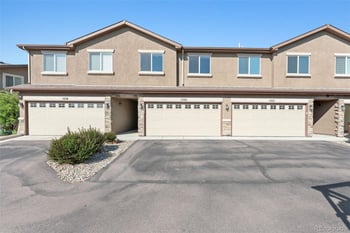
$330,000
Pending
3
Beds
3
Baths
1360
Sqft
0.02
Acres
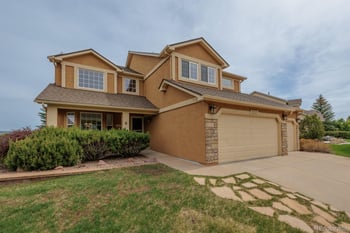
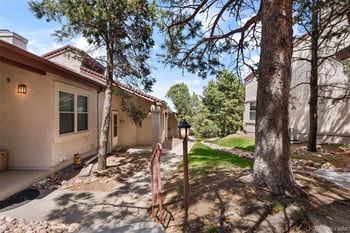
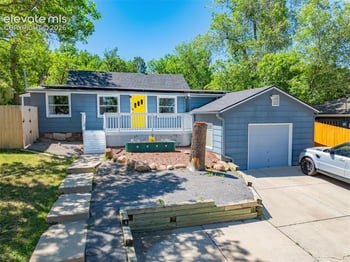
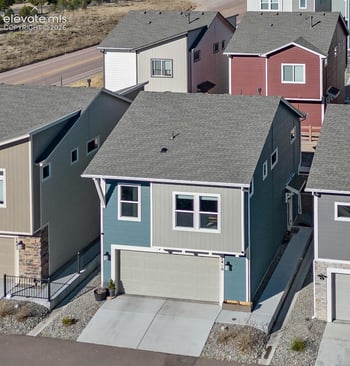
1520 York Rd, Colorado Springs, CO 80918
MLS#: REC7223053
.jpg)



Bread and salt on the counter, a broom as a housewarming gift, new keys cut before the old owner's set is out of your hands — most new-home traditions started as practical advice dressed up as superstition. Front Range buyers can use both: the old habits and a real move-in checklist for a Colorado closing.
The custom says bread for a full pantry and salt for a flavorful life. The practical version: moving day runs long, and having food on hand for the first meal in the new place beats a delivery order eaten on the floor. Pack a small kitchen box first — bread, salt, a pan, and coffee — and load it last so it comes off the truck first.
Yes, on every Colorado purchase, no exceptions. Past owners, contractors, dog walkers, and old roommates can hold copies of keys you never see listed anywhere. A Front Range locksmith rekeys a standard front and back door set in under an hour, and it is the cheapest security upgrade available on closing day. Do it before the first box comes in, not after.
Tradition holds that a house should never inherit the previous owner's dirt, so a new broom sweeps the threshold clean before anyone crosses it. The practical version is a genuine deep clean: baseboards, vents, and the inside of cabinets before furniture blocks access to them. Do this the day the keys change hands, while the rooms are still empty.
Old advice says wet weather on move-in day sets a damp tone for the year. The real reason to watch the forecast in Colorado is hail season, which runs from late spring through September on the Front Range. A hailstorm during a move can damage furniture staged in a driveway or a moving truck's open ramp. Check the radar the morning of, and have a plan to get boxes under cover fast if storms build in the afternoon, a common pattern on the Front Range.
Walk the home one more time before signing, confirm the seller left what the contract required, and get the garage remote, mailbox key, and any HOA access cards at the table. Take photos of every meter reading — electric, gas, and water — so the first bill matches what you actually used. The closing costs guide covers what else changes hands that day.
Denver requires a temporary no-parking permit to reserve street space for a moving truck or PODS container, arranged through the city's parking permit process with a few business days' notice. Aurora, Colorado Springs, and most Front Range cities have a similar process through their public works department. Check with your specific city before move-in day if the truck will not fit in a driveway. The Denver parking permits guide walks through the request.
Start service with Xcel Energy for electric and gas, and the local water provider — Denver Water in the city, or the relevant municipal or metro district provider in the suburbs — at least a week before closing so service is live the day you get keys. Internet is the one utility that is never automatic; call the provider directly and ask for the earliest install slot, since new-neighborhood installs can book out. The Denver utility providers and costs guide lists who to call by area.
Run both before the first box comes in, not after the first cold night. A furnace that has sat off for weeks during a vacant listing can trip a pilot light or filter issue that is easier to fix in an empty room than around stacked boxes. Replace the furnace filter on day one regardless of what the inspection said — it is a five-dollar habit that protects a much larger system.
Many Colorado communities run move-ins through a reservation system for the elevator, loading dock, or shared parking, and some charge a refundable move-in deposit. Metro districts and HOAs also set rules on when a moving truck can block a street or fire lane. Ask your closing coordinator for the HOA's move-in packet before the truck is booked. The Denver HOA rules and fees guide explains what a packet covers.
USPS mail forwarding starts within three to ten business days of the request in most cases, but bills, tax notices, and title paperwork move faster if you change the address directly with the sender instead of waiting on the forward. Update your driver's license and vehicle registration with the Colorado DMV within 30 days of the move, since that clock starts on your closing date.
Bring the closing packet, a copy of the deed, the HOA move-in paperwork if one applies, and photo ID for anyone the moving company needs to check in with a building manager. Keep a digital copy on your phone in case the paper set is still in a box somewhere on the truck.
Hail season on the Front Range runs from late spring through September, and a serious storm can total a car or damage a roof in minutes. Buyers who can pick their timing frequently choose a fall or spring closing to avoid staging a driveway full of boxes during peak storm months. If a move has to happen in summer, watch the forecast and keep a tarp in the truck.
Colorado sits in an EPA zone with widespread elevated radon readings, and most Front Range home inspections include a radon test as a result. If the pre-closing test came back above 4.0 pCi/L, confirm a mitigation system was installed and retested before you move family members and pets into the home full time.
Skip the decorative broom and bring something that solves a Front Range problem: a squeegee and ice scraper for the first snow, a humidifier for the dry winter air, or a gift card to a local hardware store. New owners spend the first month buying small tools they did not know they needed — a hose nozzle, extra furnace filters, a step stool for the vents.
Colorado cities treat winter roads with magnesium chloride, which tracks in on shoes and tires and leaves a white residue on floors, carpet, and vehicle paint. A boot tray and a washable entry rug at the front door protect new flooring from November through March. It is a small thing to add to a move-in shopping list, but it saves a refinish later.
Foothills and mountain-adjacent Front Range properties can fall inside a wildfire hazard zone, which affects insurance pricing and sometimes defensible-space requirements around the home. Ask your agent or the county assessor's office whether the property sits in a mapped zone before you finalize move-in landscaping plans.
The Kenna Real Estate Group walks Front Range buyers through move-in day details most agents skip — permits, HOA paperwork, and utility timing — on every closing. Call or text 303-955-4220. A live person answers. Not a robot, not a phone tree. Search every home for sale in Colorado while you plan your move.
Questions about any home in Colorado? Call or text 303-955-4220. A live person answers.
Yes, for a reserved spot on the street. Denver's temporary no-parking permit holds the space for a moving truck or PODS container; apply through the city's parking permit process a few business days ahead.
Yes, on every purchase. A rekey takes under an hour and removes any copies of keys held by past owners, contractors, or dog walkers you never see listed.
About a week ahead for electric, gas, and water. Internet needs the most lead time since installers can book out, so call the provider as soon as you have a closing date.
Yes. Colorado sits in an EPA zone with widespread elevated radon readings. Confirm your pre-closing test result and, if it was above 4.0 pCi/L, confirm mitigation was installed and retested.
Late spring through September is hail season on the Front Range. A storm can damage boxes and furniture staged outside in minutes, so watch the forecast on moving day.
Three to ten business days to start, in most cases. Update bills and tax notices directly with the sender for anything time-sensitive rather than waiting on the forward alone.
Meter photos for electric, gas, and water; a rekey appointment; a furnace filter change; the HOA move-in packet if one applies; and a boot tray for mag chloride season.