New - Just Now
$218,000
Coming Soon
1
Beds
1
Baths
765
Sqft
--
Acres
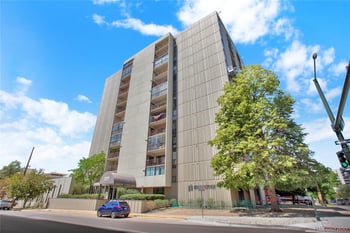
777 N Washington St #205, Denver, CO 80203
MLS#: REC7934090
.jpg)



The first week in a new Denver metro suburb is less about unpacking boxes and more about learning the house: which utility company serves the address, whether the internet provider advertised for the ZIP code actually reaches the street, and who to call when the water heater in a 1998 build finally gives out. Utilities, trash, water, and a short bench of reliable service providers are the unglamorous groundwork that makes a new suburb feel like home instead of a project.
Electric and gas service should be active before the truck arrives, not started the day of. Xcel Energy serves Denver and most of the metro; start service online for the closing or move-in date and expect a deposit if the household has no Xcel payment history. Outside Xcel territory, Colorado Springs Utilities, Fort Collins Utilities, United Power in the north metro, and CORE Electric in Douglas and Elbert County each run their own signup process, so confirm which provider actually serves the address before assuming it matches the city name.
Water service in the Denver metro is not one system. Denver Water covers the city and county of Denver; suburban districts including Aurora Water, Centennial Water in Highlands Ranch, and Castle Rock Water each have separate accounts and separate start forms. Trash works the same way: the City of Denver bills for trash by cart size and bundles in recycling and compost, while most suburbs contract with a private hauler or route trash through the HOA. None of this transfers automatically from a previous address, even a previous Colorado address, so confirm the provider by street rather than by city.
A national provider's coverage map will confirm service in a ZIP code without confirming it on a specific street, and fiber build-out in the Denver metro is uneven block by block. Before signing a contract, ask about the installation date, equipment fees, and whether the previous residents had dead zones in specific rooms; a six-day wait for the first available install slot is common enough in growing suburbs like Parker, Erie and Commerce City that it is worth scheduling the same week the moving date is confirmed.
New homeowners commonly wait until a pipe is leaking at 9:40 p.m. to start searching for a plumber, which is the worst time to vet anyone. Build a short bench early: a plumber, an electrician, an HVAC company for both furnace and swamp cooler or AC service, and a locksmith. Established local service businesses such as Raccoon Cleaning Services are a useful reference point for what a straightforward suburban service listing should look like online: a clear service area, real contact information, and no ambiguity about what is included. You are free to use any provider whose licensing and reviews check out for the specific suburb.
"Who do you use for lawn care?" produces ten names and no context. "Who shows up on the day they scheduled, and who is good with an older HVAC system?" produces a usable answer. In HOA-governed suburbs such as Highlands Ranch, Castle Rock and Broomfield's newer developments, the HOA office itself sometimes keeps an informal list of vendors who already know the neighborhood's covenants around exterior work, fencing and parking, which can save a step.
Before the first landscaping or exterior project, get the HOA's architectural review process, guest parking rules, and any restrictions on trailers, RVs or a moving container sitting in the driveway. Most Douglas County and Highlands Ranch (HRCA) associations limit how many days a container can sit in a driveway and require advance notice; the Denver HOA rules and fees guide covers what to request from a management company at move-in.
New owners regularly sign up for weekly, monthly and seasonal service contracts before they know how the house actually behaves. Give it a couple of weeks first. Notice which bathroom gets dirty fastest, whether the basement feels damp after a heavy spring rain, and whether the real maintenance issue is dust from unpacking rather than the yard. A house on the Front Range, where hail season, dry winters and spring runoff each create their own seasonal task, tends to reveal what kind of help it needs within the first month rather than the first week.
Moving stacks two messes on top of each other: whatever the previous owner left behind and the dust, fingerprints and packing debris the move itself creates. A local cleaning service compared against neighborhood recommendations gives a fuller picture than a company's own listing alone, since a service locals actually book tells you more than a service that simply advertises well. In the Denver metro, a full move-in deep clean for a three-bedroom home runs $250 to $500, less for a touch-up pass once everything is already in place.
Many newer Denver metro suburbs, including parts of Commerce City, Erie, Castle Rock and Thornton, sit inside a special metro district that levies its own mill rate on top of standard county property tax to pay for streets, parks and water infrastructure built when the neighborhood was developed. That charge shows up as a separate line on the property tax bill rather than as a monthly service fee, and it can add a meaningful amount to the annual tax total compared with an older, non-district suburb. The Denver special district and metro district tax guide explains how to check whether a specific address carries one before or after the move.
| Service | Typical Denver metro range |
|---|---|
| Electric and gas (average household) | $120 to $220 a month, higher in January and July |
| Internet, standalone | $50 to $90 a month depending on speed tier |
| Water and trash (varies by district) | $60 to $130 a month combined |
| HOA dues | $40 to $350 a month depending on amenities and whether it covers exterior maintenance |
A single note on a phone covering account numbers, trash pickup day, furnace filter size, and the names of the plumber and electrician who did good work saves real time later. Add seasonal reminders specific to Colorado: gutter cleaning before and after hail season, sprinkler blow-out in October, sprinkler start-up in late spring, and HVAC service before summer heat and before winter cold. The first winter in a new suburb teaches one set of lessons and the first spring teaches another; the note keeps those lessons from disappearing once life gets busy again.
The Kenna Real Estate Group hands every Front Range buyer a vetted local vendor list for utilities, cleaning and repairs at closing, so the first month in a new suburb is about settling in, not searching online for a plumber at 9:40 p.m. Call or text 303-955-4220. A live person answers. Not a robot, not a phone tree. Still deciding on a suburb? Search every home for sale in Colorado.
Questions about any home in Colorado? Call or text 303-955-4220. A live person answers.
Xcel Energy serves Denver and most of the metro. Colorado Springs Utilities, Fort Collins Utilities, United Power and CORE Electric serve their own territories outside Xcel's coverage.
No. Denver Water covers the city and county of Denver, while Aurora Water, Centennial Water in Highlands Ranch and Castle Rock Water each run separate accounts with their own start forms.
Check availability by exact street address, not ZIP code, and ask the provider about the current install timeline and any known dead zones on that block before signing a contract.
Get the architectural review process, guest parking rules, and any limits on how long a moving container or trailer can sit in the driveway before the move.
A full deep clean for a three-bedroom home runs $250 to $500. A lighter touch-up pass after everything is unpacked costs less.
Ask neighbors narrow questions about who shows up on schedule and who handles older systems well, rather than asking for a general recommendation.
Sprinkler blow-out in October and start-up in late spring, gutter checks before and after hail season from late spring through September, and HVAC service ahead of summer heat and winter cold.