New - 12 Hours Ago

.jpg)


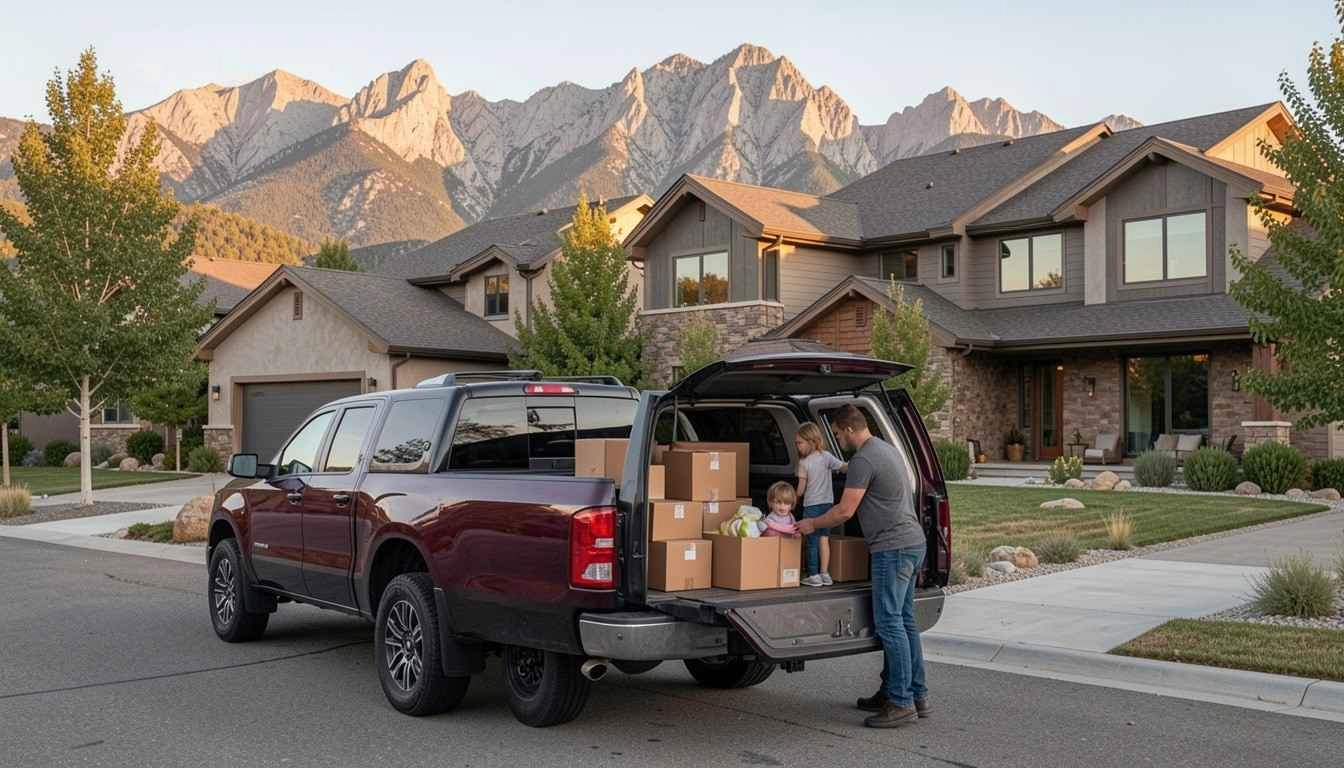
Moving up means selling the current home and using the equity built there as the down payment on the next one, and the single decision that shapes the whole process is whether to sell first or buy first. Front Range homeowners who plan that decision before they tour a single house move with far less stress than those who react to it mid-transaction.
"More space" is a start, not a plan. Write down the specific gaps in the current home: bedrooms, a home office, a bigger yard, a shorter commute into Denver, a garage that fits the gear a Front Range life accumulates. Separate needs from nice-to-haves before touring homes, because a great kitchen will tempt a buyer to overlook a deal-breaking driveway or a lot with no yard.
Equity is the current market value of the home minus what's still owed on the mortgage. Every payment nudges that number up, and Front Range appreciation over the past several years has pushed many owners' equity higher than they expect. Bankrate's rundown on home equity walks through how it builds and the ways homeowners put it to work.
For most move-up buyers the path is direct: sell the current home, pay off the mortgage from the proceeds, and carry the remainder forward as the down payment on the next one. Get a realistic sense of the home's market value with a Smart Pricing Report before setting a budget for the next home, and confirm the loan math with a lender before writing an offer.
Sell first and the budget is locked in: the offer on the next home carries no financing contingency and competes better in a tight Front Range market. The tradeoff is a housing gap if the next home isn't found before closing, which some sellers bridge with a short-term rental or a rent-back arrangement with the buyer.
Buy first and the move happens once, on a single schedule, but two mortgage payments run at the same time until the old home sells. A sale contingency splits the difference: the purchase depends on the current home selling, which protects the buyer's finances but weakens the offer against sellers who have other interest without that condition attached.
| Approach | Upside | Tradeoff |
|---|---|---|
| Sell first | Firm budget, stronger next offer | Possible housing gap |
| Buy first | One move, no gap | Carries two payments at once |
| Sale-contingent offer | Protects current-home equity | Weaker against non-contingent offers |
| Bridge loan | Access equity before closing | Short-term interest cost |
A bridge loan or a home equity line against the current home lets a move-up buyer use existing equity for a down payment before the old home closes. It works when the current home has substantial equity and a fairly quick expected sale; it adds interest cost, so run the numbers against a straightforward sell-first timeline before choosing it.
Get a full mortgage pre-approval, not a pre-qualification estimate, before touring move-up homes. A pre-approval sets a firm price ceiling, tells a seller the buyer is ready to close, and surfaces any credit or income issue early enough to fix it. Review the Colorado mortgage pre-approval guide for the documents a lender needs.
A move-up budget covers more than the new mortgage payment:
Denver metro inventory and price movement shift by season and by ZIP code; check current conditions in a Colorado market report before setting a listing date. A move-up seller who lists at the same time as buying benefits from a market with balanced inventory; a market tilted toward sellers rewards listing first and searching with a firm number in hand.
A move-up buyer trades square footage or a bigger lot for a longer commute, a different HOA structure, or a newer subdivision further from central Denver. Compare a handful of target areas directly: Highlands Ranch vs. Castle Rock lays out the commute, space, and cost tradeoffs between two of the most common move-up destinations for Denver metro buyers trading a smaller home for more room.
Walk each target area's walkability to parks and trails, commute time into Denver, and HOA structure before writing an offer; a wider Front Range explore page, such as Explore Castle Rock or Explore Parker, is a faster way to compare a handful of towns than driving each one.
New construction across Douglas, Weld, and Adams counties gives a move-up buyer a larger floor plan without a bidding war, at the cost of a new-build metro district tax and a neighborhood still under construction. Compare current builder inventory on the new construction homes in Colorado by area page against resale listings before deciding which path fits the move-up budget better.
Once both contracts are signed, the moving date is set by the slower of the two closings, not the faster one. Build a two-week buffer between the sale closing and the purchase closing when the schedule allows it, so a title delay on one transaction does not force a same-day back-to-back move. A local Front Range mover priced by room count and distance gives a firmer number than a rough online estimate, and booking four to six weeks ahead locks in a date during the Front Range's busiest moving stretch, late spring through early fall.
Keep the appraisal and inspection contingencies on both transactions tied to the same calendar. An appraisal that comes in under contract price on the home being purchased changes the down payment math on the day it happens, so confirm financing is firm before waiving contingencies on either side of the trade. A single agent coordinating both sides of the trade catches these date conflicts before they turn into a scramble for temporary housing.
The Kenna Real Estate Group runs the equity math, prices the current home, and coordinates both closings so a move-up happens on one clean timeline instead of two competing ones. Ask for the printable move-up budget checklist in the form below and we email it the same day. Call or text 303-955-4220. A live person answers. Not a robot, not a phone tree. Or search every home for sale in Colorado to see what the next move-up budget actually buys.
Questions about any home in Colorado? Call or text 303-955-4220. A live person answers.
Enough to cover the down payment and closing costs on the next home after the current mortgage is paid off. A Smart Pricing Report on the current home gives a real number to plan against.
Selling first locks in a firm budget and a stronger offer on the next home. Buying first avoids a housing gap but means carrying two mortgage payments until the old home sells.
An offer on the next home that depends on the current home selling. It protects the buyer's finances but competes less well against offers with no such condition.
It uses equity in the current home to fund a down payment before that home closes, which removes the need to sell first. It carries a short-term interest cost that should be weighed against a sell-first timeline.
Plan on roughly 1% to 3% of each home's price across the sale and the purchase, covering lender fees, title work, and recording costs on both transactions.
In most new-build communities, yes. Newer subdivisions carry metro district mill levies or higher HOA dues that fund roads, parks, and water infrastructure bonds, on top of county property tax.
Yes. A pre-approval, not a pre-qualification, sets a firm budget and shows a seller the offer is ready to close, which matters in a competitive Front Range listing.
The sale proceeds pay off the existing mortgage at closing, and whatever is left over becomes equity carried forward as the down payment on the next home.


