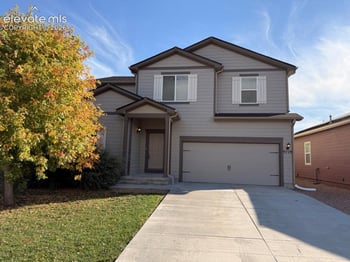
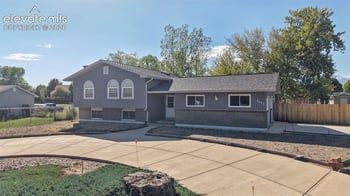
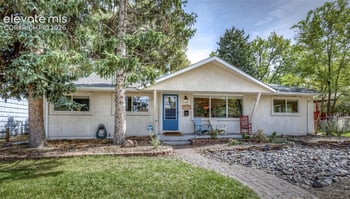
New - 15 Mins Ago

$486,000
Active
3
Beds
2
Baths
1554
Sqft
0.1377
Acres
2022 Armstrong Ave, Colorado Springs, CO 80904
MLS#: 4319925
.jpg)



A move from Littleton to Fort Collins, or Colorado Springs to Denver, is still a full move — new utilities, new paperwork, a new HOA, and a crew that needs to show up on time. It just skips the cross-country logistics. Sort these out before the trucks arrive.
Yes, in almost every case. Intra-state movers price by hourly crew rate and truck size rather than by shipment weight and mileage, which keeps a Front Range move cheaper than an equivalent cross-country job even at similar box counts.
Not always. A DIY move with a rented truck works fine for a studio or one-bedroom move under 20 miles; a full crew earns its cost once the move involves stairs, heavy furniture, a piano or a distance that makes multiple trips impractical.
Two to four weeks ahead covers most in-state moves, though the last weekend of the month books up fastest since that is when most leases turn over. Summer weekends fill first; a Tuesday or Wednesday move in the shoulder season is both cheaper and easier to book.
Vehicle registration follows the new county, voter registration needs an update through the Colorado Secretary of State, and any professional license tied to a Colorado address should get updated too. None of this requires re-establishing residency the way an out-of-state move does, but each item still needs an active update.
No. Even within the same utility territory, a household has to close the account at the old address and open a new one at the new address; the two rarely transfer as a single action. Schedule the close and open dates a few days apart from the actual move so service overlaps rather than gaps.
Yes — Colorado requires an address update on a driver's license within a set window after a move, even within the state. Update it online through the Colorado DMV rather than letting it slide, since an outdated address can complicate insurance claims and voter registration.
Regional and local Colorado movers quote an hourly crew rate plus a truck fee in most cases, transparent and easy to compare between companies. National van lines price by weight and distance, a structure built for cross-country moves that adds cost and complexity a local Front Range move does not need. For comparison, a regional-only mover like this Nashville intra-state moving service shows how tightly local movers price by hourly crew rate rather than weight — ask any Colorado mover the same pricing question before booking.
Confirm Colorado PUC registration for any moving company operating commercially in the state, get a written estimate (not a verbal quote), and check reviews specific to the exact branch or crew, not just the company's national reputation. The FMCSA's Protect Your Move consumer resource covers the federal side of choosing a legitimate mover, useful even for an in-state job if the company also runs interstate routes.
| Move type | Typical pricing model | Booking window |
|---|---|---|
| DIY rental truck | Flat daily rate + mileage | 1-2 weeks |
| Local full-service (hourly) | Hourly crew rate + truck fee | 2-4 weeks |
| Cross-state Colorado move (mountains-Front Range) | Hourly or flat distance rate | 3-5 weeks |
Property tax follows the new home's county and mill levy immediately at closing; vehicle registration needs an update to the new county within the state-required window. Neither triggers a new-resident process the way an out-of-state move does, but both still require action.
Spring (April) and fall (October, November) carry the lowest hail risk for moving day itself; hail season runs spring through September with peak activity in the middle of that window. A move scheduled in late spring or summer should have a backup plan if a storm cell threatens the loading window.
Voter registration updates through the Colorado Secretary of State's online portal in a few minutes with the new address. Set mail forwarding with USPS at least a week before the move date, and update the address directly with banks, insurance and any subscription service rather than relying on forwarding alone.
Any mover operating across state lines, even occasionally, falls under FMCSA rules requiring a written estimate and a formal claims process for damaged goods. A purely local, in-state-only mover falls under Colorado PUC rules instead — ask which registration applies before signing.
Yes — get at least three quotes even for a short move, since hourly rates and crew size assumptions vary more between local Colorado movers than most households expect. A written, itemized estimate protects against a surprise final bill.
A move into a mountain town adds elevation-related driving conditions, narrower streets and sometimes limited truck access that a Front Range city-to-city move does not have. Confirm with the mover whether a smaller shuttle truck is needed for the final leg into a mountain-town address.
Selling an HOA property in Colorado involves an HOA transfer fee and a status letter confirming dues are current in most cases; moving into a new HOA community means reading the new covenants before move-in day, not after. Ask the closing agent for both documents well before the move date.
Yes, and many Front Range households do, but a same-day close leaves no buffer if either transaction slips. Building in a few days of overlap, or a short-term rental as a backup, protects against a delayed mortgage funding or a title issue on either side of the transaction.
Bank statements, insurance policies, subscription services and any professional license tied to an address all need a direct update, not just a USPS forwarding request, since forwarding runs for a limited period only and does not cover every mailer. Set a reminder for 30, 60 and 90 days out to catch anything still arriving at the old address.
The Kenna Real Estate Group coordinates in-state Colorado moves between a sale and a purchase so closing dates, movers and utility transfers line up without a gap. Ask for the printable in-state moving checklist in the form below and we email it the same day. Call or text 303-955-4220. A live person answers. Not a robot, not a phone tree. Ready to compare Colorado cities? Search every home for sale in Colorado.
Questions about any home in Colorado? Call or text 303-955-4220. A live person answers.
Yes, almost always. In-state movers price by hourly crew rate and truck size rather than by weight and mileage, which keeps the cost down.
Yes, Colorado requires an address update within a set window after any move, even within the state. Update it online through the Colorado DMV.
No. Close the account at the old address and open a new one at the new address; schedule the dates to overlap so service does not lapse.
At least three, even for a short in-state move. Hourly rates and crew assumptions vary more between local movers than most people expect.
Spring and fall carry the lowest hail risk. Hail season runs spring through September, with the heaviest activity mid-window.
Yes, it follows the new home's county and mill levy starting at closing. Vehicle registration needs a separate update to the new county.
The Colorado PUC regulates in-state-only movers; a mover that also crosses state lines falls under federal FMCSA rules instead.
PUC or FMCSA registration as applicable, a written itemized estimate, and reviews specific to the exact local branch or crew.