New - 1 Day Ago
$220,000
Active
2
Beds
2
Baths
1628
Sqft
0.01
Acres
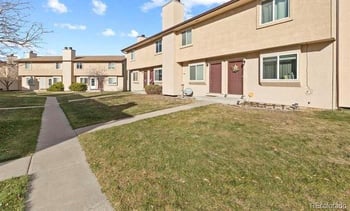
2002 Legacy Ridge Vw #109, Colorado Springs, CO 80910
MLS#: REC7458539
.jpg)



Colorado real estate transactions run on a standard, Colorado Real Estate Commission-approved contract that sets fixed deadlines for inspection, financing and title review, and missing one of those dates can cost a buyer or seller their earnest money. Understanding the contract's timeline, the seller disclosure form, local zoning and Colorado's distinct water law matters as much as the price negotiation itself.
Colorado's standard purchase contract sets dates for the inspection objection deadline, the loan conditions deadline, the appraisal deadline and closing, all negotiated up front rather than left open-ended. Missing the inspection objection deadline in particular can waive a buyer's right to negotiate repairs or a price adjustment based on what the inspection found, so tracking these dates closely protects both sides.
Both buyer and seller agents mark these dates on a shared timeline at contract signing, since a single missed deadline shifts the negotiation's balance regardless of which side benefits from the mistake.
Colorado's standard seller's property disclosure form asks about known defects in the roof, foundation, mechanical systems, water intrusion and structures like decks and pools. A seller who completes the form accurately and backs it with documentation, such as a recent inspection or repair receipts, reduces the chance of a dispute after closing.
Denver, Aurora, Lakewood, Littleton, Colorado Springs and Fort Collins each set their own zoning codes, accessory dwelling unit rules and permit requirements, so a use that is allowed in one city's zoning district is blocked a few miles away in an adjacent county. Buyers planning a short-term rental, a home business or an addition should confirm zoning with the specific city or county before closing, not after.
An HOA's covenants function as a private contract layered on top of city zoning, and they can restrict everything from paint color to fence height to whether a homeowner can park a trailer in the driveway. Reading the covenants, the most recent HOA meeting minutes and the reserve study before closing gives a buyer a clearer picture than the listing alone.
Colorado follows the prior appropriation doctrine, meaning water rights are a separate, tradable property right independent of land ownership in many cases, unlike states where landowners automatically hold rights to water on their property. A property with an irrigation ditch, a well, or agricultural water rights needs a title review that specifically addresses those rights, since they do not always transfer automatically with the deed.
A buyer relying on a domestic well should confirm the well permit's authorized use and yield with the state engineer's office before closing, since a well permitted for household use only does not automatically cover irrigation of a large yard or garden.
A property survey and title commitment reveal recorded easements, such as utility access or a shared driveway agreement, that affect how a buyer can use the land. International buyers relocating to Colorado who still hold property abroad sometimes need a local surveyor in that country, such as londonbuildingsurveyors.com, to close out matters overseas while their Front Range purchase moves through its own inspection and survey process here.
Colorado investors using a 1031 exchange to defer capital gains tax on an investment property sale face strict federal timelines: 45 days to identify a replacement property and 180 days to close, and those deadlines run independent of the Colorado contract's own dates. Anyone buying rental property on the Front Range should review the real estate investing guide alongside their exchange attorney's timeline before making an offer.
Some real estate situations reach outside a standard purchase contract entirely. A property manager facing a workplace dispute with staff, for example, needs help finding an employment lawyer separate from the real estate attorney handling the transaction, since the two areas of law do not overlap. Recognizing when a matter has moved outside straightforward real estate, as defined broadly on real estate reference sources, saves time and legal fees.
Colorado sets specific rules for security deposit return timelines, notice periods before entry, and the process for ending a tenancy, and several of these rules changed in recent years to add tenant protections. Anyone converting a Front Range home into a rental should review current Colorado landlord-tenant law before signing a lease, not after a dispute starts.
A title company searches public records for liens, unresolved easements and ownership disputes before closing, and an owner's title insurance policy protects a buyer against a claim that surfaces after the sale. Colorado buyers negotiate who pays the title insurance premium as part of the contract, and it is worth confirming coverage details rather than assuming every policy covers the same risks.
The standard Colorado contract sets separate deadlines for loan application, loan conditions and the appraisal, each of which protects a buyer's earnest money if financing falls through before that date. A buyer who misses the loan conditions deadline without formally objecting risks losing the right to walk away from the contract over a financing issue that surfaces later.
Colorado's standard forms cover most residential transactions without a separate attorney, but a purchase involving an estate sale, a boundary dispute, a commercial property, or an out-of-state or international seller benefits from an attorney's review before signing. A short attorney consultation early in the process costs far less than untangling a contract problem after closing.
Colorado county assessors reassess property values on a set cycle, and a homeowner who believes the assessed value runs above market has a specific, dated window each cycle to file a protest with supporting comparable sales. Buyers who purchase near a reassessment date should compare the new assessed value against the actual purchase price and file a protest quickly if the numbers do not line up, since missing the county's filing deadline waives the appeal for that cycle.
A recent, arm's-length purchase price is itself strong evidence in a Front Range property tax protest, so keeping the closing statement and appraisal on hand gives a new owner a documented starting point if the assessor's number comes in high the following cycle.
The Kenna Real Estate Group walks Front Range buyers and sellers through the contract deadlines, disclosure requirements and zoning questions that come up on every Colorado transaction, and works alongside your real estate attorney rather than in place of one. Call or text 303-955-4220. A live person answers. Not a robot, not a phone tree. Or search every home for sale in Colorado to start with a clear picture of the property's history.
Questions about any home in Colorado? Call or text 303-955-4220. A live person answers.
It is the fixed date in the standard Colorado purchase contract by which a buyer must submit any objections or requests based on the inspection. Missing it waives the buyer's right to negotiate repairs or a price adjustment.
Colorado's standard seller's property disclosure form asks about known defects in the roof, foundation, mechanical systems, water intrusion and structures such as decks and pools.
Yes. Each Front Range city and county sets its own zoning code, accessory dwelling unit rules and permit requirements, so a use allowed in one city is blocked in a neighboring one.
Not always. Colorado follows the prior appropriation doctrine, which treats water rights as a separate property right, so a title review should specifically address any well, ditch or agricultural water rights tied to the property.
Federal rules give an investor 45 days to identify a replacement property and 180 days to close, both running independent of the Colorado purchase contract's own deadlines.
Colorado has added tenant protections in recent years covering notice periods, security deposit timelines and the process for ending a tenancy, so anyone converting a home into a rental should review current rules before signing a lease.