Open: Sat 11:00 AM - 2:00 PM

.jpg)


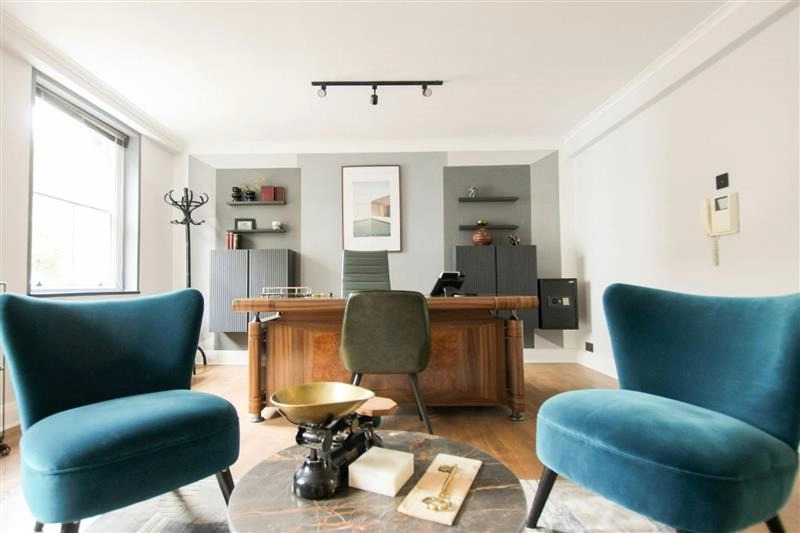
A productive home office in Colorado starts with natural light positioned to the side of a desk, not behind or directly ahead of the screen, a chair that supports the back for a full workday, and a room that stays between 68 and 72 degrees despite the Front Range's wide daily temperature swings. Everything else in office decor is secondary to those three fundamentals, and getting them right costs far less than most homeowners assume.
Clutter increases stress, poor lighting strains the eyes over a workday, and an unsupportive chair affects posture and focus hour by hour. None of this is dramatic on its own, but research in environmental psychology consistently links well-designed workspaces to fewer mistakes and higher satisfaction, which is why the basics matter more than any decorative flourish.
With around 300 sunny days a year, most Front Range homes have more usable daylight than homes in cloudier states, and a desk positioned perpendicular to a window uses that light without glare on the screen or direct sun in the eyes. A north-facing room gives the most consistent, glare-free light throughout the day, which is one reason many Denver-area homeowners prefer a north-facing room for a dedicated office.
Front Range days can swing 30 to 40 degrees between morning and afternoon, and a home office that is not on the main HVAC zone can run cold in the morning and hot by mid-afternoon. A small supplemental heater or fan, and a smart thermostat sensor placed in the office itself, keeps the room comfortable without overcooling or overheating the rest of the house.
Colorado's dry climate and lower relative humidity, especially during the heating season, can leave indoor air feeling stale and static-prone in a closed home office. A small humidifier keeping the room between 30% and 50% relative humidity improves comfort during long work sessions and reduces static shocks from touching a keyboard or door handle.
A dedicated, closed-door home office consistently ranks among the features Front Range buyers specifically search for, more so since remote and hybrid work became common. A converted bedroom that still has a closet and reverts easily to a bedroom is more marketable than a highly customized built-in office that only works as an office.
A garden-level or basement room in a Denver-area home offers quiet and separation from the rest of the house but needs supplemental lighting to compensate for smaller or fewer windows; a spare bedroom on a main or upper level has better natural light but less acoustic separation from household noise. Weigh light access against quiet when the choice is not obvious.
Professional office fitout teams prioritize the same fundamentals homeowners should: layered lighting, ergonomic furniture, and a layout that separates focus work from collaborative or casual space. Scaling those same principles down to a single room works just as well as it does across a full commercial floor.
A detached backyard studio gives full acoustic and visual separation from the main house, which some homeowners with active households find worth the investment, though it requires its own permit for electrical and sometimes plumbing depending on size and use. Checking with the local building department on setback and permit requirements before building is a necessary first step, since rules vary by city and by lot.
Low-light, low-humidity-tolerant plants like snake plants and pothos handle the Front Range's dry indoor air better than tropical varieties that need consistent humidity. A plant or two adds visual warmth to a home office without adding a maintenance burden that competes with actual work time, and both varieties tolerate the occasional missed watering during a busy work week.
Strong Front Range sun through an uncovered south- or west-facing window can fade desk finishes, upholstery and even yellow plastic on monitors and keyboards over a few years. Light-filtering shades that cut UV without blocking the room's daylight protect equipment and furniture while keeping the natural light that makes the office usable in the first place.
| Room type | What it needs | Typical cost |
|---|---|---|
| Converted spare bedroom | Desk, chair, lighting, HVAC sensor | $1,500-$4,000 |
| Garden-level or basement room | Add supplemental lighting and a dehumidifier | $2,500-$6,000 |
| Detached backyard studio | Permitted electrical, insulation, HVAC | $15,000-$40,000+ |
An interior conversion, like turning a spare bedroom or basement room into an office, rarely needs HOA approval since it does not change the exterior. Converting a garage into an office is a different matter in many Front Range HOAs and cities, since removing off-street parking or changing the exterior garage door can require both a permit and association approval.
Natural daylight covers most of a workday given the Front Range's roughly 300 sunny days a year, but overcast winter afternoons and early sunsets still call for layered task and ambient lighting to avoid eye strain. A desk lamp aimed at the work surface, paired with a softer ambient fixture rather than one harsh overhead light, keeps the room usable from early morning meetings through evening work sessions.
The Kenna Real Estate Group helps Front Range buyers find homes with real home-office potential and helps sellers know which office setup actually adds value at resale. Call or text 303-955-4220. A live person answers. Not a robot, not a phone tree. Ready to see what is on the market right now? Search every home for sale in Colorado.
Questions about any home in Colorado? Call or text 303-955-4220. A live person answers.
Perpendicular to the window, not directly facing it or with a window behind the monitor, to avoid screen glare while still using the room's natural light.
A dedicated, closable home office is one of the features buyers specifically search for now, more so than before remote and hybrid work became common.
Yes, for electrical and sometimes plumbing depending on the size and use. Setback and permit rules vary by city, so check with the local building department before building.
A supplemental heater or fan and a smart thermostat sensor placed in the office itself help manage the 30 to 40 degree daily swings common on the Front Range.
Yes. Low indoor humidity, especially in winter, can cause stale air and static. A small humidifier keeping the room between 30% and 50% humidity helps.
A garden-level or basement room offers more quiet but needs supplemental lighting; a spare bedroom has better natural light but less acoustic separation.