.jpg)


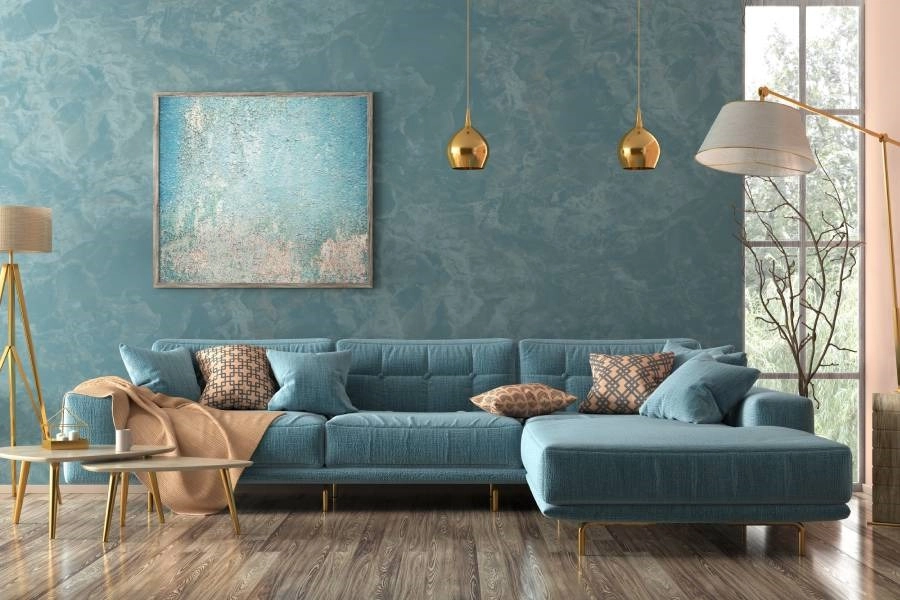
Lighting sets the mood, the function and the resale appeal of every room in a Front Range home, and Colorado's roughly 300 days of sun a year gives homeowners more natural light to work with than most of the country, plus a few climate-specific problems to plan around. Getting lighting right changes how a room looks in listing photos as much as any paint color or furniture choice, whether the home is in Denver, Aurora, Lakewood, Littleton, Centennial, Colorado Springs or Fort Collins.
Ambient, task and accent: the three layers
Ambient light (overhead or general room lighting) sets a base level, task light (under-cabinet kitchen lighting, a desk lamp, a reading light) supports specific activities, and accent light (a picture light, up-lighting on a plant, landscape lighting outside) adds depth and highlights a room's best features. A room with only ambient overhead light, a single flush-mount fixture, is the fastest way for a space to look flat and unfinished, no matter how carefully the furniture and paint colors were chosen for the rest of the room.
Natural light and Colorado's 300 days of sun
Front Range homes get more usable daylight hours across the year than most U.S. markets, which makes window placement and treatment choices carry more weight. Skylights, larger west- and south-facing windows, and light-colored interior finishes all pull that daylight deeper into a floor plan; the tradeoff is UV exposure, which fades flooring, art and fabric faster at 5,280 feet than at sea level without a UV-blocking film or treatment on direct-sun windows.
Setting the mood room by room
Warm-temperature bulbs, 2700K to 3000K, suit living rooms, bedrooms and dining rooms where the goal is comfort. Cooler bulbs, 3500K to 4000K, work better in kitchens, home offices and bathrooms where task visibility matters more than ambiance. Mixing temperatures within the same open sightline, a warm living room next to a cool kitchen with no wall between them, reads as a mistake rather than a design choice.
Lighting's effect on how a home shows
Agents and photographers both know that a well-lit home photographs and shows dramatically better than an identical home with dim, mismatched lighting. Turning on every fixture and lamp before a showing, replacing any bulb that has shifted color or is visibly dimmer than the rest, and opening every blind during a daytime showing are some of the lowest-cost, highest-return moves a Front Range seller can make before listing, alongside the other steps in the Smart Pricing Report process.
Xcel Energy rebates and time-of-use rates
Xcel Energy offers rebates on qualifying LED fixtures and smart lighting controls, and its time-of-use electricity rate structure charges more per kilowatt-hour during the 3 p.m. to 7 p.m. weekday peak window. Switching to LED fixtures cuts lighting's share of the electric bill substantially on its own, and pairing that with smart switches that avoid running heavy lighting loads during peak hours compounds the savings; check Xcel's current rebate list and the Denver utility providers and costs guide before buying fixtures, since offerings change each program year.
Smart lighting and home automation
Smart switches, app-controlled dimmers and voice-activated fixtures let a Front Range homeowner run different lighting scenes for daytime work, evening relaxation and away-from-home security without adding new wiring in most cases, since many smart switches install on the existing circuit. Pairing smart lighting with a smart thermostat and a security system is one of the more common upgrade combinations buyers ask about during a tour of a newer or recently updated home.
Electrical permits for lighting projects
Swapping a bulb or an existing fixture on the same circuit is homeowner work in most jurisdictions. Adding a new circuit, installing recessed lighting, wiring a chandelier that needs a stronger junction box, or adding exterior landscape lighting on its own circuit requires an electrical permit in Denver, Aurora, Lakewood, Littleton, Centennial, Colorado Springs and Fort Collins. A permitted job protects a seller from a lighting-related inspection objection down the road.
Dimmers and lighting controls
A dimmer switch on the main living areas lets one fixture serve a bright cleaning or cooking session and a relaxed evening without buying two sets of lighting. Dimmable LED bulbs cost slightly more than standard LED bulbs but pay that difference back in flexibility, especially in an open-concept Front Range floor plan where the kitchen, dining and living areas share one sightline.
Landscape lighting and curb appeal
Exterior lighting extends a home's usable evening hours and is one of the more visible upgrades in listing photos and evening showings. Path lights, uplighting on mature trees, and a well-lit house number all support curb appeal in a Front Range market where most winter showings happen after dark.
Lighting a home office for video calls and daily use
A home office set up for video calls needs a light source in front of the person, not just overhead or behind them, since Front Range daylight streaming in from a window behind a desk washes out a video call and leaves the room dark on camera. A desk lamp or a small ring light aimed at face height, paired with the room's ambient light, solves the problem for a modest cost.
Cost of a lighting upgrade by scope
| Project | Front Range cost range | Includes |
|---|---|---|
| Bulb and fixture swap (whole home) | $300 to $900 | LED bulbs across existing fixtures, no rewiring |
| Recessed lighting (per room) | $800 to $2,200 | New circuit, permit, 6 to 8 fixtures |
| Landscape and exterior lighting | $1,500 to $5,000 | Path lights, uplighting, a new exterior circuit |
Lighting and Colorado's dry, altitude-affected air
Fixtures and finishes rated for standard humidity hold up fine in Colorado's dry climate in most cases, but bulbs and fixtures in unheated spaces, a garage, an unfinished basement, a covered porch, handle temperature swings from summer heat to winter cold better when rated for the wider range those spaces see across a Front Range year.
Sump pumps and moisture control below grade
Front Range basements sit below the frost line and near expansive clay soils that swell with moisture, which makes a functioning sump pump, proper grading away from the foundation, and interior drain tile worth confirming before finishing any below-grade room. A vapor barrier behind drywall in a below-grade space protects the finish work from the soil moisture that clay-heavy Colorado ground holds through spring runoff.
Choosing fixtures that suit a home's architectural style
A mountain modern or farmhouse-style Front Range home reads best with black or matte bronze fixtures and simpler shapes, while a more traditional or transitional home carries brass, nickel or a mix of finishes well. Matching fixture style to the home's architecture, rather than to whatever is on sale, keeps a lighting upgrade from looking mismatched against the rest of the interior.
Where to go next
- Preparing and adding value before selling a Colorado home
- Showing your Colorado home to buyers
- Colorado home financing guide
- How landscape lighting boosts a Colorado home's property value
- Does landscape lighting add value to your Colorado home?
- Search every home for sale in Colorado
Talk to the Kenna Real Estate Group
The Kenna Real Estate Group helps Front Range sellers spot the lighting fixes that raise a listing's first impression fastest, from bulb temperature to landscape lighting. Call or text 303-955-4220. A live person answers. Not a robot, not a phone tree. Ready to see well-lit homes on the market now? Search every home for sale in Colorado.
Homes for sale that match this post
- Homes with Gourmet Kitchen in Colorado Springs
- Curb appeal: guide
- Homes with Home Office in Colorado Springs
- All homes for sale in Colorado Springs
Guides
Questions about any home in Colorado? Call or text 303-955-4220. A live person answers.