Open: Sat 12:00 PM - 2:00 PM

.jpg)


A home office is no longer a spare desk pushed into a corner. It's a room buyers ask about directly on a showing, and one of the easier upgrades a homeowner can make that pays off in daily comfort and, in the right market, at resale. Here's what actually moves the needle on the Front Range.
A room that reads as a real office rather than a converted bedroom: a door that closes, wired data and enough outlets, and furniture that stays with a workable layout rather than crowding a repurposed guest room. Buyers touring Denver metro listings increasingly ask whether a listed "office" is a legitimate workspace or a bedroom with a desk pushed against the wall.
It adds value in two ways: as functional square footage a remote or hybrid worker will pay for directly, and as a differentiator against competing listings without one. It rarely appraises as a separate line item the way a finished basement bedroom does, but it shortens the list of things a buyer has to build themselves after closing, which shows up in how fast an offer comes in.
A converted bedroom keeps its closet, its bedroom-scale outlets, and its general-purpose lighting. A real office adds built-in shelving or cabinetry, a hardwired Ethernet drop even where Wi-Fi already reaches, task lighting at desk height, and enough dedicated outlets to run two monitors, a printer, and charging equipment without an extension cord running across the floor.
An operable window with real daylight, not a borrowed light from an adjacent room, makes the single biggest difference in how a home office feels over a full workday. Colorado gets roughly 300 days of sun a year, which makes a window-less basement office a harder sell than the same room upstairs, even with equal square footage.
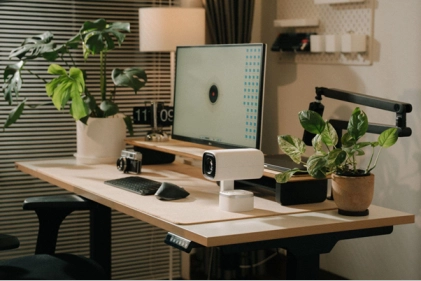
For daily use, yes. Research on workplace ergonomics supports alternating between sitting and standing to reduce the physical strain of a full workday at a desk. Homeowners furnishing a home office should look at affordable standing desks in the $300 to $600 range before assuming a height-adjustable desk requires a premium budget; a model like the Sendi E Electric Height Adjustable Desk covers the core feature set most home workers actually use.
Built-in shelving, a closed cabinet for a printer and supplies, and a filing drawer sized for legal-size folders keep a small office from turning into visible clutter, which matters both day to day and on a listing photo. A room with open floor space and no dedicated storage reads smaller than its actual square footage.
For a home with more than one person working remotely, or a household with regular video calls, yes. A solid-core door, weatherstripping around the frame, and even a rug and heavier curtains cut down on sound transfer without a full renovation. A home office next to a laundry room or a stairwell needs more attention here than one at the end of a quiet hallway.
Engineered hardwood or luxury vinyl plank hold up better than solid hardwood in a basement, since Colorado's dry climate and temperature swings near an exterior wall can cause solid wood to gap or warp over time. Carpet tile is a practical middle option that adds sound dampening, which matters more in a basement office than an upstairs one.
A functional upgrade, built-ins, an added data drop, upgraded lighting, and paint, runs roughly $3,000 to $8,000 in the Denver metro. A full room conversion with a new window, flooring, and electrical work runs $10,000 to $20,000 depending on scope. Either range is modest next to what it buys in daily usability.
Cosmetic work, paint, shelving, furniture, doesn't require a permit. Adding electrical circuits, moving walls, or converting an unfinished basement room into a permitted living space does require a permit in Denver and most Front Range cities, and skipping that step can complicate a future sale when the buyer's inspector flags unpermitted work.
Near the entry or a separate wing of the house works best for anyone taking client calls or needing a professional backdrop, since it keeps the rest of the home out of view and out of earshot. A home office near the primary bedroom suits someone who values a short commute down the hall over a fully separated work zone. Either placement works for resale as long as the room reads as intentional rather than borrowed from another purpose, since buyers price the function of the space more than its exact location in the floor plan.
Layered lighting, an overhead fixture, a desk lamp at eye level, and natural light from a window, handles Colorado's intense high-altitude sun better than a single overhead bulb. Adjustable blinds matter more here than in lower-altitude climates, since direct sun through an unshaded window can wash out a monitor or overheat a room by midday.
Buyers increasingly ask whether a listed office has a door, real outlets, and daylight, the same three things that separate a functional office from a spare bedroom with a desk. Sellers preparing a home for market should read the guide to preparing and adding value before selling to see which room-level upgrades show up in buyer feedback most.
Highly customized built-ins matched to one person's exact equipment, and expensive acoustic paneling beyond what a solid door and rug already handle, are the upgrades least worth the spend for the next owner. A flexible, well-lit room with good bones outperforms a highly personalized one when it's time to sell. Sellers weighing an office upgrade against a kitchen or bathroom project should treat the office as the lower-cost, faster fix: paint, lighting, and an added outlet finish in a weekend, while a kitchen remodel takes months and a much larger budget for a smaller share of buyers who prioritize it on a first walkthrough.
The Kenna Real Estate Group helps Front Range buyers find homes with real workspace built in, and helps sellers decide which office upgrades are worth making before photos go live. Call or text 303-955-4220. A live person answers. Not a robot, not a phone tree. Ready to see what's on the market? Search every home for sale in Colorado.
Questions about any home in Colorado? Call or text 303-955-4220. A live person answers.
Only if it has a closet and meets local egress and size requirements for a bedroom; most home offices are marketed as flex or bonus space instead.
Paint, an added dedicated outlet or two, and better task lighting cover most of the daily comfort gain for a few hundred dollars before any furniture or remodel spending.
It works well with a real window for daylight and engineered flooring suited to below-grade humidity swings; a windowless basement room is a harder sell to future buyers.
Most electric height-adjustable desks need a standard outlet within reach of the cord, so placement should account for outlet location before the desk arrives.
Cosmetic upgrades don't; adding new electrical circuits or converting an unfinished room into finished living space does require a permit in Denver and most Front Range cities.
A solid-core door, weatherstripping, a rug, and heavier curtains cut sound transfer noticeably without construction.
A door that closes, real daylight, and enough outlets and data access to work without extension cords across the floor.
Simple, flexible shelving helps; highly customized built-ins matched to one person's exact equipment appeal to fewer buyers than a flexible setup.