.jpg)


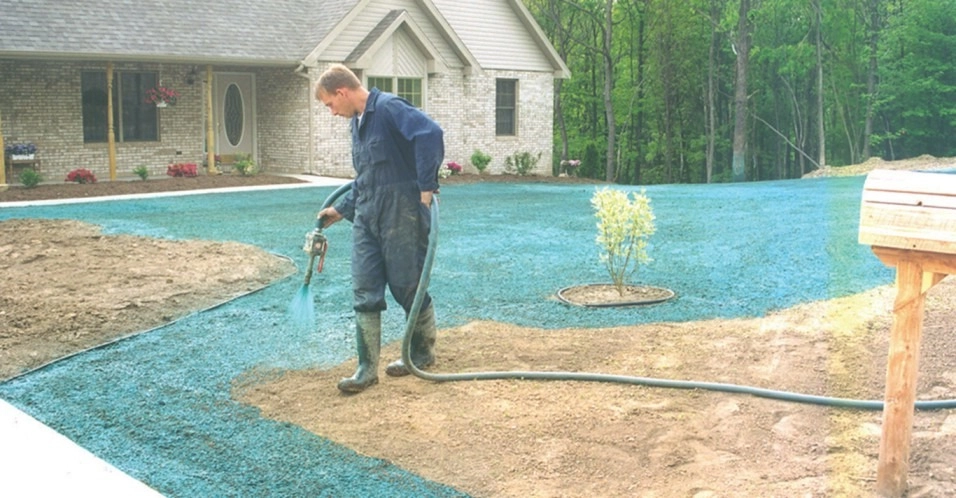
Hydroseeding is the fastest, least expensive way to establish a lawn on a new-build lot in Colorado, and the sequence matters more here than almost anywhere else in the country. Front Range clay soil, low humidity, intense UV at altitude and a hail season that runs spring through September all shape when and how a homeowner should schedule the work.
What Hydroseeding Is and Why Colorado Builders Use It
Hydroseeding sprays a slurry of seed, mulch, water and fertilizer over graded soil in one pass. It costs a fraction of sod, roughly $0.10 to $0.20 per square foot compared with $0.60 to $1.20 for sod, and it holds soil in place on slopes better than dry-broadcast seed. On new construction homes across Colorado, builders regularly finish grading and turn the lot over to the homeowner with bare dirt; hydroseeding is the step that turns that dirt into a lawn.
Timing It Around Colorado's Growing Season
Cool-season grass mixes used on the Front Range (Kentucky bluegrass, turf-type tall fescue, perennial rye blends) germinate best in soil temperatures between 50 and 65 degrees. That puts the two reliable windows in Denver metro in early spring, once the ground thaws, and again in early fall before the first hard freeze. Seeding in July or August works but needs more water to fight evaporation at altitude. Hold off until final grading and irrigation lines are tested; seeding too early gets disturbed by equipment, and seeding too late leaves bare soil exposed to fall wind and spring runoff.
Front Range Clay Soil Changes the Prep Step
Much of the Denver metro sits on expansive clay soil that swells when wet and cracks when dry. A hydroseeding company will till in compost or a soil amendment before spraying, because raw clay sheds water instead of absorbing it and can strand the seed on the surface. Ask whichever hydroseeding company you hire whether they test the soil and amend it before application, not just spray over compacted dirt left by the grading crew.
Cost Ranges for a Denver Metro Lot
| Lot size | Hydroseeding | Sod |
|---|---|---|
| 5,000 sq ft | $500 - $1,000 | $3,000 - $6,000 |
| 8,000 sq ft | $800 - $1,600 | $4,800 - $9,600 |
| 10,000 sq ft | $1,000 - $2,000 | $6,000 - $12,000 |
Slopes, erosion-control mixes and irrigation repairs add to the total. Builders on new-construction lots commonly include a base hydroseed in the price of the home and leave sod as a buyer upgrade for the front yard only.
How Long Until the Lawn Fills In at Altitude
Germination starts in 7 to 14 days at Denver-area soil temperatures. A lawn that can handle light foot traffic takes 6 to 8 weeks, and a full, mowable stand takes a full growing season. Thinner UV filtering at 5,280 feet dries the top half-inch of soil fast, so the establishment window depends on watering discipline more than on the seed mix itself.
Watering New Grass Under Front Range Water Rules
Denver Water and most Front Range utilities set summer watering schedules, commonly three assigned days a week with restrictions on daytime hours. New hydroseeded lawns are treated as an establishment exception by most utilities for a limited window after planting, but the exception has to be requested; it is not automatic. Call your water provider before scheduling the hydroseed date and get the establishment watering variance in writing.
HOA Landscaping Rules on New-Build Lots
Most Front Range HOAs and metro-district design guidelines require a landscaped front yard within 90 to 180 days of closing, and many spell out whether hydroseed or sod satisfies that requirement. Colorado law also bars HOAs from banning drought-tolerant, xeriscape-style front yards outright, so a homeowner who wants to replace a hydroseeded lawn with native grasses and mulch later has that option even in a covenant-controlled community. Check the Denver HOA rules and fees guide and your own covenant's landscaping deadline and plant list before the crew shows up, and get any hydroseed-vs-sod substitution approved by the architectural review committee in writing.
Hydroseeding on Slopes and Foothills Lots
Erosion-control mixes with extra tackifier and mulch hold seed on grades that plain seed washes off within a single storm. Foothills lots west of Denver, and new subdivisions cut into hillsides in Douglas and Jefferson counties, need this mix on any slope steeper than about 3:1. A hydroseeding company should walk the grade with you and confirm the mix matches the pitch, not just the square footage.
Hail Season and a Fresh Lawn
Colorado's hail season runs spring through September, and a hard hail event can shred tender seedlings before roots are established. It rarely kills an established lawn's root system, but it can set back a lawn seeded within the prior two to three weeks. Builders who control the schedule push hydroseeding to just after the peak of storm season, or accept the risk and reseed thin patches afterward at low cost.
What Comes After Seeding
Daily light watering keeps the top layer damp until germination, then watering steps down to deep, infrequent sessions that push roots downward, which matters more in Colorado's dry summer air than in a humid climate. Understanding how seeds sprout helps a homeowner set realistic expectations: germination is a biological process on its own timeline, and rushing mowing or foot traffic before roots knit the soil together is the most common way a new lawn thins out.
Hydroseeding vs. Xeriscape for a Water-Wise Front Yard
A full hydroseeded lawn is not the only option on a new Colorado lot. Front Range utilities have been paying homeowners to replace turf with native, drought-tolerant plantings, and several metro districts now offer their own turf-replacement rebates on top of the utility program. A common approach on new-construction lots is to hydroseed the back yard, where pets need turf and everyday outdoor use calls for grass, and xeriscape the front with native grasses, gravel and low-water shrubs. That split cuts the water bill without leaving any part of the lot as bare dirt while the covenant's landscaping deadline is running.
Does a New Lawn Add Value When You Sell?
An established, even lawn is one of the first things a buyer notices walking up to a Front Range listing, and a lot still showing bare or patchy dirt six months after closing reads as unfinished to an appraiser and to a buyer. Getting the hydroseeding sequence right the first time, rather than needing a second reseed the following spring, is the cheaper path to a lawn that photographs well when it is time to sell. For sellers weighing which yard projects are worth the money before listing, the exterior improvements guide below breaks down what Front Range buyers actually notice first.
Where to go next
- New construction homes in Colorado by area
- Benefits of buying new construction in Colorado
- Denver HOA rules and fees guide
- Xeriscaped homes in Colorado: a buyer's guide
- Lawn care and maintenance tips for Colorado
- Preparing and adding value before selling
- Search every home for sale in Colorado
Talk to the Kenna Real Estate Group
The Kenna Real Estate Group works with buyers moving into new-construction lots across the Front Range and can point you to builders whose landscaping allowance already covers a properly timed hydroseed. Call or text 303-955-4220. A live person answers. Not a robot, not a phone tree. Ready to see what is available now? Search every home for sale in Colorado.
Homes for sale that match this post
Guides
Questions about any home in Colorado? Call or text 303-955-4220. A live person answers.