New - 30 Mins Ago
$209,900
Active
3
Beds
2
Baths
1379
Sqft
0.0223
Acres
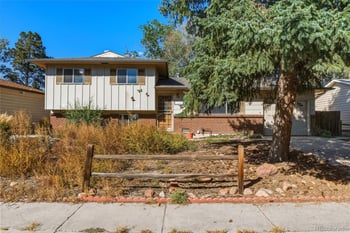
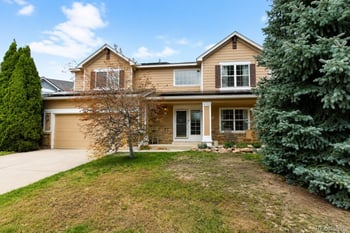
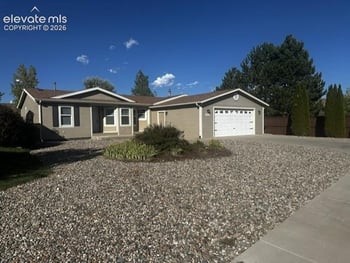
4648 Pika Point, Colorado Springs, CO 80922
MLS#: 7783936
.jpg)


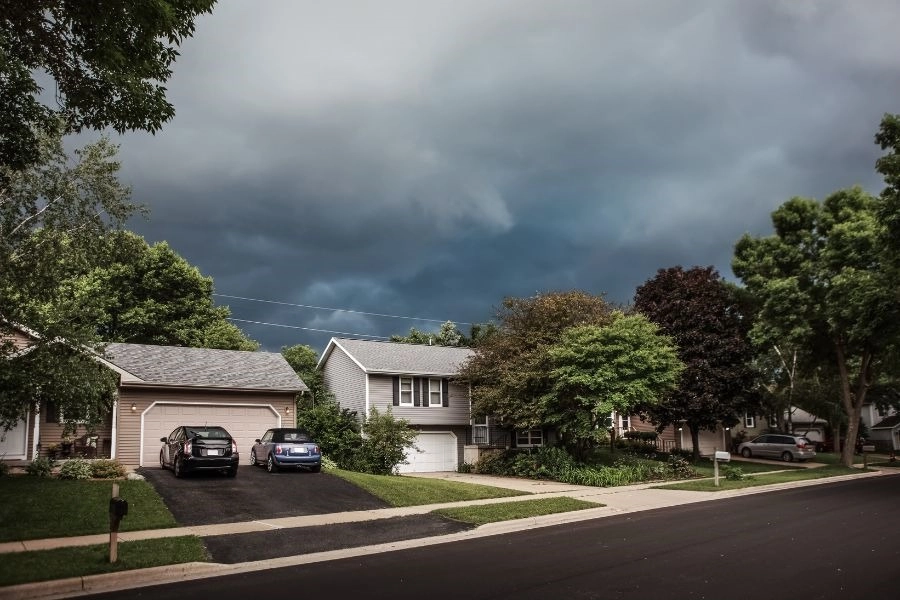
Front Range weather swings from a calm, sunny morning to a hail-producing thunderstorm within an hour, and that pattern repeats every spring through September. Protecting a Colorado home means preparing the roof, the yard and the insurance policy before the storm arrives, not after.
Hail season on the Front Range runs from spring through September, with the corridor from Colorado Springs through Denver to Fort Collins seeing some of the most frequent large-hail events in the country. A single storm can drop stones large enough to dent a roof, crack skylights and total a vehicle in under thirty minutes.
Class 4 impact-resistant asphalt shingles, standing-seam metal, and concrete or clay tile all outperform standard three-tab asphalt shingles in hail testing. Class 4 shingles cost more upfront than standard shingles but hold up to repeated hail impacts without the granule loss and cracking that leads to an early replacement.
Many Colorado insurers offer a discount, commonly in the range of 10% to 30% off the wind and hail portion of a premium, for a roof rated Class 4 under the UL 2218 impact test. Ask your carrier directly for the discount percentage and the documentation it requires before you choose a roofing product.
A full roof replacement on a typical Front Range home runs $9,000 to $18,000 depending on size, pitch and material, while cosmetic hail damage to siding, gutters and window screens can add a few thousand more. Most of that cost is covered by a homeowners policy once the deductible is met, assuming the claim is filed and documented promptly after the storm.
Defensible space is a cleared, maintained buffer of reduced vegetation around a structure that slows an approaching wildfire and gives firefighters room to work. Homes in foothills communities and other wildland-urban interface areas along the Front Range benefit most, though even suburban lots near open space or greenbelts can face wildfire exposure in a dry year.
A commonly recommended standard clears flammable vegetation within the first 5 feet of the structure completely, thins vegetation further out to 30 feet, and reduces density out to 100 feet where the lot allows it. Check your specific county's wildfire mitigation guidance, since Jefferson, Boulder and El Paso counties each publish their own defensible-space standards.
Many Colorado policies carry a separate wind and hail deductible distinct from the policy's standard deductible, written as a percentage of the dwelling coverage amount rather than a flat dollar figure. Ask your agent to show the wind and hail deductible in actual dollars for your specific coverage amount before a storm hits, not after.
If the repair cost is close to or above the deductible, filing a claim commonly makes financial sense; if damage is purely cosmetic and well under the deductible, paying out of pocket can avoid a claim on the record that can affect future premiums. A roofer's written estimate, compared against the policy's deductible, answers the question for a specific storm.
Wind and hail deductibles on Front Range policies commonly run 1% to 2% of the dwelling coverage amount, which on a $500,000 dwelling coverage translates to $5,000 to $10,000 out of pocket before coverage begins. That number varies by carrier and by county, so confirm the exact figure on your declarations page.
Impact-rated windows tested to the same standards used in hail-prone regions are available from several manufacturers that serve the Front Range, and some carriers extend a discount for them similar to the Class 4 roof discount. Ask an installer for products with a documented impact rating, and confirm with your insurer whether that specific product qualifies for a discount before you buy.
Gutter guards reduce debris buildup year-round but do not meaningfully change how a gutter holds up against hail impact itself; a heavy hailstorm can dent gutters and guards alike. Their real value on the Front Range is keeping gutters clear between the spring melt and the fall leaf drop, which protects the foundation and roof edge from water damage separate from hail.
Homes in higher wildfire-risk zones, particularly in the foothills and mountain communities west of Denver and Colorado Springs, have seen insurers raise premiums, add wildfire-specific deductibles, or in some cases decline new policies altogether in recent years. A defensible-space assessment and documented mitigation work can help when shopping for coverage in a higher-risk zone.
Get a roofer's written inspection report before listing, even if damage is not visible from the ground, since a buyer's own inspector will check the same thing during the inspection period. A documented, repaired roof with receipts removes one of the most common points of negotiation during a Colorado real estate transaction.
Standing-seam metal roofing costs 1.5 to 3 times more than asphalt shingles upfront but lasts 40 to 70 years against asphalt's 20 to 25 years, and it holds up well against both hail and the intense Front Range sun. For an owner planning to stay in the home long-term, the lifecycle cost can favor metal even with the higher initial price.
| Roofing material | Typical lifespan | Hail performance |
|---|---|---|
| Standard 3-tab asphalt | 15-20 years | Lowest |
| Class 4 impact-resistant asphalt | 25-30 years | High |
| Standing-seam metal | 40-70 years | High |
| Concrete or clay tile | 50+ years | High, but individual tiles can crack |
Many Front Range HOAs specify approved roofing colors, materials or manufacturers in their architectural guidelines, and some require board approval before a replacement begins, even for a like-for-like shingle swap after storm damage. Check your HOA's architectural review process before signing a roofing contract to avoid a rework or a fine.
Once repairs are complete and documented with receipts and, where applicable, a permit close-out, a home can go back on the market immediately in most cases; the roofing work itself takes one to three days for a standard Front Range home once materials are on site and the insurance claim is settled.
If storm damage turns up during a buyer's inspection, the Colorado contract's inspection objection deadline gives the buyer a set window to request repairs, a price adjustment or a walk-away, so a seller who already has a roofer's estimate and an insurance settlement in hand can respond faster than one starting from scratch. Handling the repair before listing, rather than negotiating it mid-contract, keeps a deal on its original timeline.
The Kenna Real Estate Group helps Front Range owners document storm damage correctly before a sale and helps buyers read a roof's condition and insurance history before making an offer. Call or text 303-955-4220. A live person answers. Not a robot, not a phone tree. Ready to see what is on the market right now? Search every home for sale in Colorado.
Questions about any home in Colorado? Call or text 303-955-4220. A live person answers.
Spring through September, with the Colorado Springs to Fort Collins corridor seeing some of the most frequent large-hail events in the country.
Many Colorado insurers offer a discount, commonly 10% to 30% off the wind and hail portion of the premium, for a roof rated Class 4 under UL 2218 testing.
Commonly 1% to 2% of the dwelling coverage amount, which is several thousand dollars on a typical Front Range policy. Check your declarations page for the exact figure.
A common standard clears the first 5 feet completely, thins vegetation to 30 feet, and reduces density out to 100 feet where the lot allows; check your specific county's guidance.
$9,000 to $18,000 depending on size, pitch and material, most of which a homeowners policy covers once the deductible is met.
Many Front Range HOAs require board approval or specify approved materials even for like-for-like repairs, so check the architectural review process before signing a contract.
For an owner planning to stay long-term, a 40 to 70 year lifespan against hail and sun exposure can outweigh the 1.5 to 3 times higher upfront cost compared with asphalt.