New - Just Now
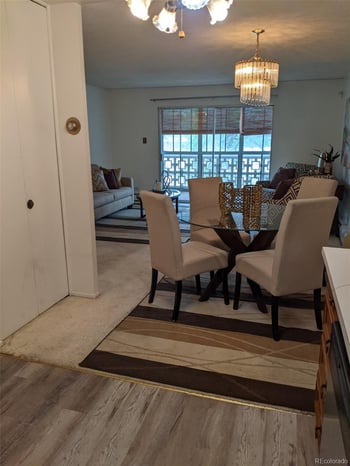
$190,000
Active
2
Beds
2
Baths
1200
Sqft
129.75
Acres
650 S Clinton St #5C, Denver, CO 80247
MLS#: REC3915197
.jpg)


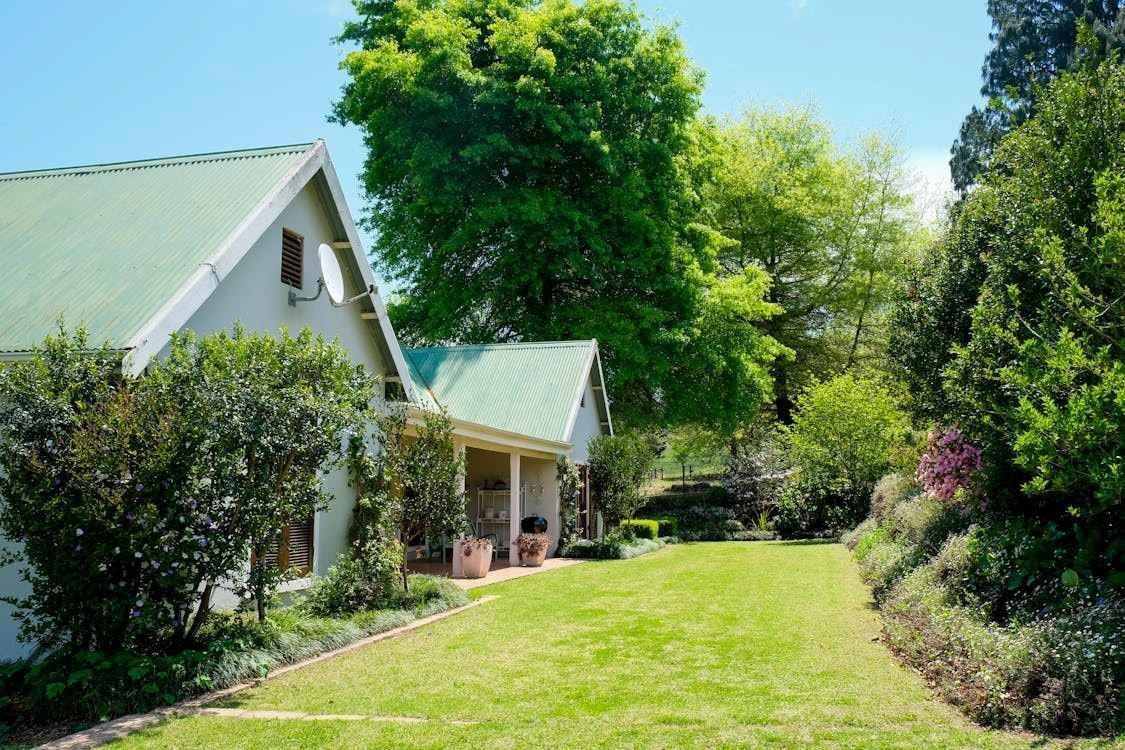
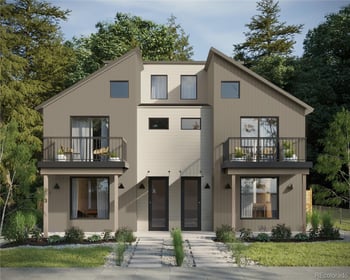
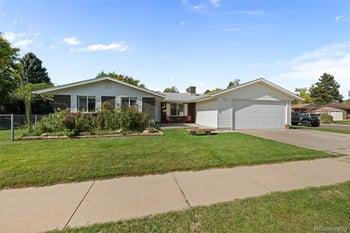
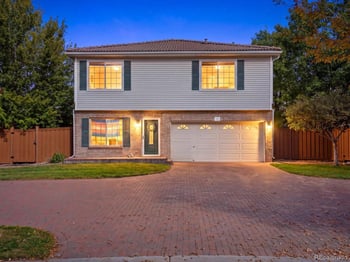
A cluttered yard is the first thing a buyer sees and the first thing that shapes their opinion of the rest of the house, before they ever step through the front door. Clearing outdoor clutter, tightening up landscaping and calling a junk removal service for anything too large for a curbside bin raises curb appeal fast, and curb appeal is one of the highest-return, lowest-cost steps in preparing a Front Range home for sale.
Buyers form a first impression from the listing photo before they ever schedule a showing, and that photo is almost always the front exterior. A yard that reads as cared for signals the rest of the home has been maintained the same way. A 2018 survey by the National Association of Realtors found that well-executed landscaping can raise a home's value by a meaningful share of the sale price, which makes the yard one of the few pre-listing projects that pays for itself several times over.
Before adding anything new, remove what no longer belongs. Walk the yard and ask a direct question about every item: does this stay, or does it go? Broken flower pots, a swing set nobody has used in years, an old shed leaning off its foundation, and stacked firewood past its prime all read as clutter in listing photos even if they never bothered you day to day.
Some items are too large, heavy or awkward for a standard trash pickup: an old hot tub, a rusted swing set, construction debris left over from a prior project, or furniture too bulky to fit in a truck bed. A junk removal services crew handles exactly this category, clearing bulky yard debris and outdated furniture in a single visit instead of multiple trips to the dump. For a Front Range seller working an eight-week prep timeline, booking a junk pickup in the first two weeks clears the yard early enough that landscaping work can start on a clean slate.
Front Range yards do best with plants suited to a dry, high-altitude climate rather than water-heavy turf that struggles under summer watering restrictions. Native and xeriscape-friendly plantings, such as ornamental grasses, yarrow, Russian sage and other low-water perennials, hold up through Colorado's dry stretches and still photograph green and full for listing photos. Group plants by water need, mulch beds to cut evaporation, and choose drip irrigation over overhead sprinklers where a bed allows it.
Colorado's expansive clay soils hold water poorly in some spots and drain too fast in others, which makes soil prep worth the extra step before planting anything new for a listing. Test or simply amend beds with compost or organic matter worked in several inches deep so new plantings establish quickly rather than struggling through the listing period. Choose plants rated for the local hardiness zone and avoid anything that needs daily watering to survive a hot, dry August stretch.
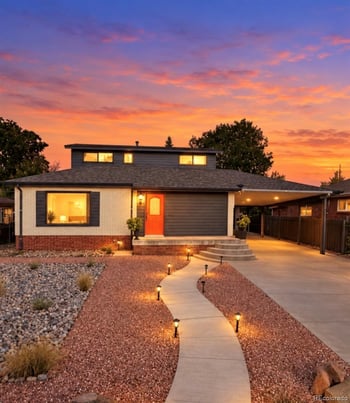
A clean stone or gravel walkway, a small paver patio, or a simple retaining wall on a sloped lot each add structure to a yard without the cost of a full landscape redesign. These elements guide a buyer's eye from the street to the front door and photograph well in both daytime and dusk listing shots. Blend hardscape edges with ornamental grasses or container plantings so the finished look reads intentional rather than half-done.
| Season | Priority Tasks |
|---|---|
| Spring | Aerate the lawn, apply fertilizer, edge beds, plant seasonal color near the entry |
| Summer | Water deeply in early morning, mow on a consistent schedule, deadhead spent blooms |
| Fall | Rake leaves, clear dead plant material, mulch perennial beds before the first freeze |
| Winter | Clear walkways of snow and ice before showings, protect shrubs from mag chloride overspray near the street |
Most established Front Range lawns need about an inch of water a week between rainfall and irrigation, and overwatering leads to root rot and a spike in the water bill without improving the lawn's appearance. Pull weeds early before they seed, lay mulch to slow new growth, and use a balanced, slow-release fertilizer rather than a heavy application right before listing, since fresh fertilizer burn on a lawn looks worse in photos than a slightly under-fertilized but even, green lawn.
Front Range homes near open space or foothill terrain benefit from basic defensible space practices: keeping dry brush and dead vegetation cleared within the first several feet of the structure, trimming tree branches away from the roofline, and clearing pine needles or leaf litter from gutters and against the foundation. Buyers looking at foothill-adjacent listings increasingly ask about defensible space directly, and a yard that already reflects it is one less objection during a showing.
Many Front Range communities have HOA or metro-district landscaping standards covering everything from approved plant lists to fence height near the yard. Before making a visible change, such as removing a mature shrub row or adding a new hardscape feature, confirm what the HOA requires for approval. A change made without sign-off can turn into a resale headache if the new owner inherits a compliance letter along with the landscaping.
A simple, uncluttered seating area near the patio or entry helps buyers picture themselves using the space rather than just walking through it. Weather-resistant furniture, a small side table, and a shade umbrella turn a plain backyard into a feature a buyer remembers after a day of showings. Keep the setup minimal during the listing period so the space photographs clean and reads as move-in ready rather than staged with too many pieces.
Shoot exterior photos in the morning or early evening when the light is soft and the sun angle does not wash out the siding or blow out the sky behind the roofline. Move cars off the driveway, coil hoses, put away trash and recycling bins, and close any open garage doors before the photographer arrives. A clean, uncluttered exterior in the primary listing photo drives more clicks and more showing requests than any single landscaping upgrade behind it.
The Kenna Real Estate Group walks Front Range sellers through exactly which outdoor projects raise a listing's appeal and which ones are not worth the spend before photos. Ask for the printable pre-listing curb appeal checklist in the form below and we email it the same day. Call or text 303-955-4220. A live person answers. Not a robot, not a phone tree. Ready to see what is on the market right now? Search every home for sale in Colorado.
Questions about any home in Colorado? Call or text 303-955-4220. A live person answers.
Yes. Well-executed landscaping is one of the highest-return, lowest-cost projects a Front Range seller can do before listing, since it shapes the first impression a buyer sees in the listing photo.
Large or heavy items such as an old shed, rusted swing set, hot tub or leftover construction debris. Standard trash service rarely takes items this size, so a dedicated pickup clears them in one visit.
Native and xeriscape-friendly plants such as ornamental grasses, yarrow and Russian sage hold up through dry stretches and still photograph full and green, without the water demand of turf-heavy yards.
About an inch a week between rainfall and irrigation. Overwatering leads to root rot and a higher water bill without improving how the lawn looks in photos.
Check first. Many Front Range HOAs and metro districts have landscaping standards covering plant lists and visible changes, and approval avoids passing a compliance issue on to the buyer.
Defensible space means clearing dry brush and dead vegetation near the structure and keeping gutters and tree branches clear of debris. Foothill-adjacent buyers ask about it directly, so having it in place removes an objection before it comes up.