New - 1 Hour Ago
$269,900
Coming Soon
2
Beds
2
Baths
1142
Sqft
8.98
Acres
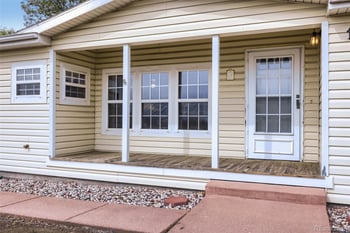
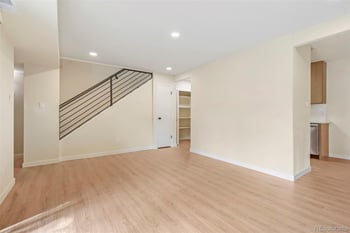
7995 E Mississippi Ave #H7, Denver, CO 80247
MLS#: REC9343209
.jpg)



Colorado investors build passive income through real estate in four main ways: owning a long-term rental, house hacking a duplex or fourplex, running a licensed short-term rental, or buying shares of a REIT with no property to manage directly. Each path trades cash needed, hands-on time, and return in a different mix, and the right one depends on how much capital and how much involvement an investor wants.
A single-family rental or condo held for the long term produces monthly cash flow after the mortgage, taxes, insurance, and maintenance are paid, plus equity growth as the loan balance drops and the property appreciates. A Front Range rental purchased with 20% to 25% down and priced correctly nets $200 to $600 a month in positive cash flow after expenses, before counting appreciation. Review the full rental property checklist for Colorado buyers before making an offer.
House hacking means buying a duplex, triplex, or fourplex, living in one unit, and renting the others to cover most or all of the mortgage. Denver metro buyers use this path to qualify for owner-occupant financing with a lower down payment than an investment-only loan requires, while the rental units build the track record for a second purchase. See the Denver house hacking guide for financing and unit-mix details.
A short-term rental in Denver needs a valid short-term rental license tied to the owner's primary residence in most cases, and the city caps how a non-primary-residence property can be used for nightly stays. Aurora, Colorado Springs, and mountain towns each set their own rules, so confirm eligibility before buying with a short-term rental as the plan. Start with Denver short-term rental eligibility: what to check before you buy.
A real estate investment trust, or REIT, pools investor money to buy and manage property, then pays out most of its income as dividends. A REIT trades on a public exchange, requires no property management, and starts with the price of a single share, which makes it the lowest-effort way to add real estate exposure to a portfolio. It does not build the same equity, tax benefits, or control that owning a Colorado property directly provides.
A real estate syndication pools money from several investors to buy a larger property, such as an apartment building, that requires more capital than one investor has alone. A sponsor runs the day-to-day management and the passive investors receive a share of the income and the eventual sale proceeds. Minimum investments and hold periods vary by deal; review the offering documents and the sponsor's track record before committing capital.
A conventional investment property loan in Colorado requires 15% to 25% down depending on the property type and the lender, plus closing costs of 2% to 4% of the purchase price and a cash reserve most lenders want to see: three to six months of mortgage payments. A house-hack purchase with owner-occupant financing can start with 5% to 15% down, which is why it is the entry point many first-time Front Range investors choose.
Financing terms for a rental differ from a primary home loan: rates run higher, and the down payment requirement is larger. Mike Oswald at Rate (NMLS 261003, Equal Housing Lender) works with Colorado investors on financing for a first rental or a house hack, and you are free to use any lender. Start with the Colorado home financing guide or Kenna Credit Care mortgage readiness to see what a lender will require before you shop for a property.
A $450,000 Denver metro rental purchased with 25% down and financed at a standard investor rate nets roughly $200 to $500 a month after the mortgage, taxes, insurance, and a maintenance reserve are paid, assuming rent near the market rate for the unit type. Add the loan paydown and any price growth and the full annual return runs well above the monthly cash flow number alone. A rental with weaker rent-to-price ratios in a higher-priced Front Range neighborhood can run close to breakeven on cash flow while still building equity through appreciation and loan paydown.
Rental income is reduced by real expenses before it is taxed: mortgage interest, property tax, insurance, repairs, management fees, and depreciation on the building's value. Depreciation alone can turn a property that produces positive cash flow into one that shows a paper loss for tax purposes, which offsets other income depending on the investor's situation. A 1031 exchange lets an investor sell one investment property and roll the gain into another without paying capital gains tax at the time of the sale. A tax professional should confirm how these rules apply to a specific return.
The most common mistake is buying on a hunch about a neighborhood instead of running the actual numbers: purchase price, rent, taxes, insurance, and a maintenance reserve. The second is skipping the reserve fund and getting caught by a $6,000 furnace replacement with no cushion. The third is underestimating vacancy; even a well-run Front Range rental sits empty for two to four weeks between some tenants, and that gap has to be built into the annual math from the start, not treated as a surprise.
| Path | Cash needed | Hands-on time |
|---|---|---|
| Long-term rental | 15% - 25% down + reserves | Low to moderate |
| House hack (2-4 units) | 5% - 15% down | Moderate |
| Short-term rental | 15% - 25% down + license | High |
| REIT shares | Price of one share | None |
The Kenna Real Estate Group helps Front Range investors find, finance, and price the right first rental, house hack, or multifamily purchase. Call or text 303-955-4220. A live person answers. Not a robot, not a phone tree. Or search every home for sale in Colorado to see what fits your budget today.
Questions about any home in Colorado? Call or text 303-955-4220. A live person answers.
House hacking a duplex or fourplex is the fastest entry point, since owner-occupant financing needs less cash down than a pure investment purchase.
No. A licensed property management company runs day-to-day operations for a fee of roughly 8% to 10% of monthly rent, which keeps the investment closer to passive.
A REIT works well for an investor who wants real estate exposure with no management and a small starting amount, but it does not build the equity or tax benefits direct ownership provides.
Plan on 15% to 25% down for a straight investment purchase, or as little as 5% to 15% down for a house hack financed as an owner-occupant purchase.
No. Denver ties most short-term rental licenses to the owner's primary residence and limits how a non-primary property can be used for nightly stays, so confirm eligibility before buying with that plan.
Cash flow is the rent collected minus the mortgage, taxes, insurance, management fee, and maintenance reserve; a positive number means the property pays for itself and adds income on top.
Yes for the investor; a sponsor handles the property's management while investors receive a share of income and sale proceeds without day-to-day involvement.
Most lenders want to see three to six months of mortgage payments in reserve per property, and a separate maintenance fund covers repairs between tenants.