New - 1 Hour Ago

.jpg)


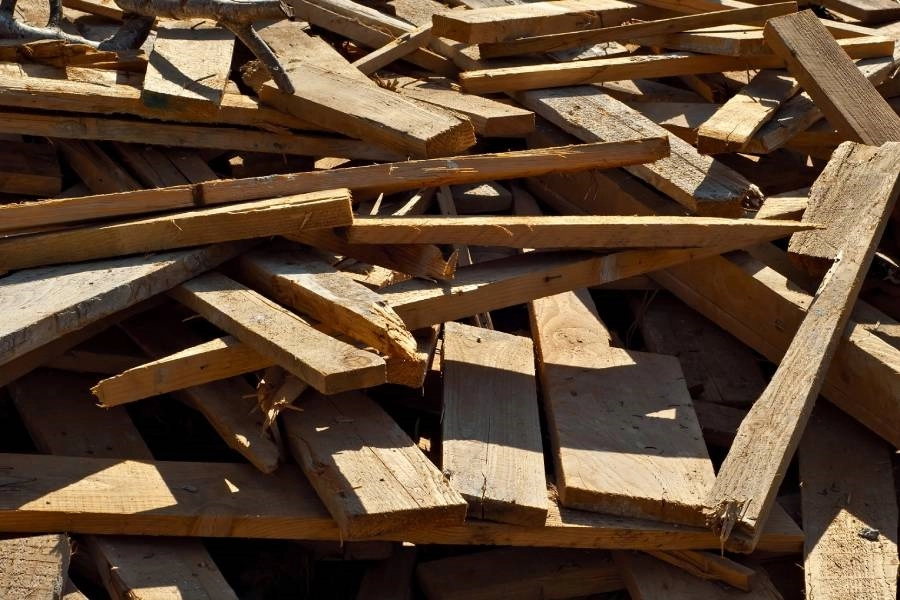
Denver requires many teardowns to go through deconstruction, not straight demolition, and that single rule changes what a homeowner, buyer, or investor can expect to save, sell, or reuse before a rebuild. Whether you're scraping a lot in Denver, adding onto a home in Aurora, or clearing a fixer-upper in Colorado Springs, knowing what's reusable saves money and keeps material out of the landfill.
Denver's Deconstruction and Building Material Reuse Ordinance applies to single-family and duplex homes built before 1940, designated as historic, or above a set size threshold when the permit is for a full demolition. Instead of a bulldozer clearing the lot in a day, a licensed deconstruction contractor removes doors, windows, cabinets, flooring, fixtures, and structural lumber for reuse or recycling before the shell comes down. Aurora, Lakewood, and Littleton don't run a matching ordinance today, but all three require a construction and demolition (C&D) waste diversion plan on larger residential permits, and Boulder and Fort Collins have their own diversion targets.
The Denver rule targets material with resale or reuse value: doors, windows, cabinetry, plumbing fixtures, light fixtures, dimensional lumber, brick, and architectural millwork. Concrete, worn-out asphalt shingles, and damaged drywall go to a C&D recycling facility instead of a straight landfill haul, which still counts toward the diversion requirement even when the material itself can't be reused in another home.
Front Range roofs take a beating every hail season, which runs spring through September, so the condition of the existing roof drives whether it's worth pulling for reuse. Metal roofing and cedar shake in decent shape hold resale value; asphalt shingles near the end of a 20- to 30-year lifespan go straight to recycling instead of reinstallation. Aluminum siding has many sustainable benefits, including recyclability and resource conservation, so siding that's cosmetically worn gets baled and recycled rather than landfilled.
Test windows before you commit to saving them: they open and close without sticking, and the glass has no cracks or failed seals (a cloudy double-pane window has already lost its insulating value). Solid-core doors free of warping get a second life in another remodel, a garage build-out, or a DIY greenhouse project. Original trim and millwork from a pre-1940 Denver bungalow commands the highest resale value of any salvaged material because it's no longer milled at that profile.
Solid hardwood floors get pulled, denailed, and refinished for reuse; engineered flooring cannot be reclaimed the same way. Tile is harder to reclaim intact, but grout-free sections still hold value. Cabinets in fair condition, along with door handles, hinges, and knobs, are the easiest items to resell because buyers install them without major modification.
Habitat for Humanity ReStore locations across the Denver metro accept doors, cabinets, fixtures, and appliances in working condition and issue a donation receipt for the fair-market value, which a tax professional applies as a charitable deduction on a Colorado return. Independent architectural salvage yards buy higher-end material outright: clawfoot tubs, stained glass, and vintage hardware.
Every Front Range jurisdiction requires a demolition permit before work starts, and the review differs by city. Denver ties its review to the deconstruction ordinance and to landmark and historic district review for eligible properties, covered in our Denver ADU, zoning, and historic district guide. Aurora, Lakewood, Littleton, Centennial, and Colorado Springs each issue permits through their own building departments, and an HOA or metro district adds its own architectural review on top of the city permit, so check both before scheduling a contractor.
Standard demolition on a Denver-area single-family lot runs roughly $8,000 to $20,000 depending on square footage and haul distance. Deconstruction adds labor time for the careful removal work, pushing the total 20% to 40% higher, but the salvage sale, the tax deduction on donated material, and lower landfill tipping fees offset a meaningful share of that difference.
A rebuild that reuses quality material, original brick, reclaimed beams, salvaged doors, reads as intentional design to Front Range buyers and supports a stronger asking price when pricing the home to sell. A rebuild that skips structural inspection on reused framing to save money is the version that costs a seller at resale, because a buyer's inspector flags it during the contract's inspection objection period.
Colorado's seller property disclosure form asks directly about additions, remodels, and repairs, including whether the work was permitted. If a rebuild used reclaimed structural material, note it, along with the permit history, so the buyer's inspector isn't the first to find out.
Appliances in working condition move quickly through resale platforms or a ReStore donation, and the deconstruction crew commonly pulls them before interior demolition starts so they aren't damaged in the process. Cabinets come out as full units when possible rather than in pieces, since an intact cabinet run sells for far more than the same cabinets broken apart. Plumbing and light fixtures, especially anything with a distinctive style from a pre-1970s Denver home, are worth a separate line item in the deconstruction contract rather than a blanket "haul everything" quote.
A standard demolition clears a lot in a day or two. Deconstruction, by contrast, runs one to three weeks depending on the home's size and how much material the contractor is asked to salvage versus simply recycle. Build that extra time into a rebuild schedule and into any construction loan draw timeline, since a lender expecting a two-week demolition phase needs to know upfront that a deconstruction permit changes the math.
A scrape-off is also the moment to upgrade insulation, windows, and HVAC efficiency well beyond what the original structure had, and Xcel Energy offers rebates on qualifying high-efficiency equipment and insulation levels in a new build. Pair that with reused material where it makes sense, salvaged brick for a fireplace surround, original doors for a mudroom, and a rebuild can carry both a lower utility bill and a design story that resonates with Front Range buyers at resale.
Investors evaluating a scrape-off lot should price deconstruction into the acquisition budget from day one rather than treating it as a change order once the permit comes back. Buyers touring a completed rebuild that reused salvaged material should ask for the same documentation a standard new build carries: permit sign-offs, structural engineering on any reused framing, and a builder's warranty covering the new construction, separate from whatever warranty (if any) came with the salvaged pieces themselves.
Weighing a teardown, a scrape-off rebuild, or a fixer-upper with a demolition permit already pulled? The Kenna Real Estate Group walks Front Range buyers and sellers through what a lot, a rebuild, or a reclaimed remodel is worth. Call or text 303-955-4220. A live person answers. Not a robot, not a phone tree. Ready to look at homes? Search every home for sale in Colorado.
Questions about any home in Colorado? Call or text 303-955-4220. A live person answers.
Yes, for single-family and duplex homes built before 1940, historic-eligible properties, and full demolitions above the city's size threshold. A licensed deconstruction contractor removes reusable material before the shell comes down.
Plan on 20% to 40% above a standard demolition price, which runs $8,000 to $20,000 on a Front Range single-family lot. Salvage sales and donation deductions offset part of the difference.
Doors, cabinets, light fixtures, and hardware move fastest because they install with little modification. Original millwork from a pre-1940 Denver home commands the strongest prices.
Habitat for Humanity ReStore locations across metro Denver issue a donation receipt for the fair-market value of accepted material, which a tax professional applies on a Colorado return.
No. Aurora and Lakewood require a construction and demolition waste diversion plan on larger residential permits, but neither runs a deconstruction-first ordinance the way Denver does.
Only if it's metal or cedar shake in decent condition. Asphalt shingles near the end of their service life, and any roof with hail damage, go to recycling instead of reinstallation.
In many Front Range communities, yes. The city permit and an HOA or metro district architectural review are separate approvals, and both need to be in hand before work starts.