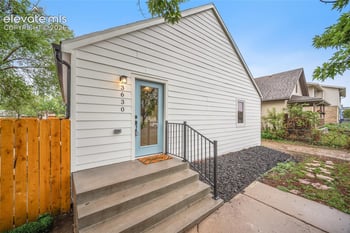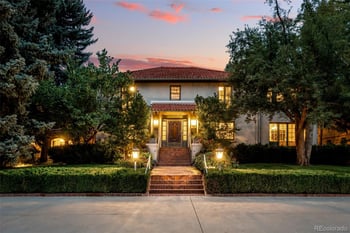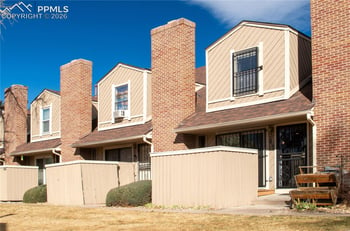
$345,000
Pending
3
Beds
2
Baths
1538
Sqft
0.0202
Acres
3300 W Florida Ave #48, Denver, CO 80219
MLS#: 9397860
.jpg)


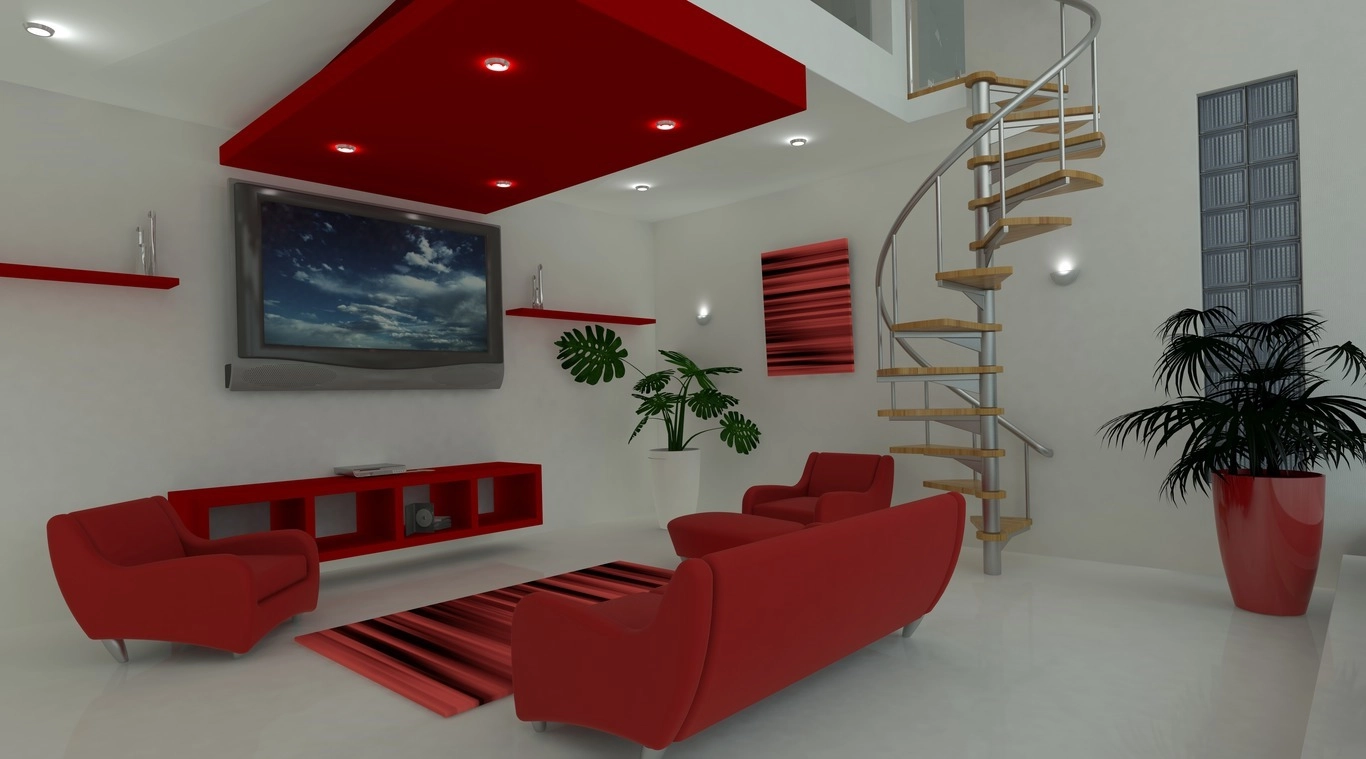
A finished basement in the Denver metro costs $30,000 to $75,000 and can add real resale value when it's permitted, has proper egress and solves the moisture problem first. Colorado buyers want flexible space: a home office, a rentable suite or a media room, not a generic rec room with mismatched carpet.
Flexible, multi-use space tops the list: a home office or guest suite that can also function as a media room or gym. Buyers touring Front Range listings consistently ask whether the basement has a full bathroom, a separate entrance, and enough natural light to not feel like storage. A basement that photographs and functions as real living space, not an afterthought, adds the most to a listing.
A standard finish, drywall, flooring, basic electrical and paint, runs $30,000 to $50,000 for an 800 to 1,200 square foot basement. Adding a bathroom pushes that to $50,000 to $75,000, and a full kitchenette for a rental suite adds another $15,000 to $25,000. Get multiple bids; basement-specific contractors price moisture control and egress differently than general remodelers.
Yes, when it's done with permits and proper egress. Front Range buyers and appraisers count permitted, code-compliant basement square footage toward the home's finished living space; unpermitted work gets excluded from that count in most cases and can complicate a sale when a buyer's lender or inspector flags it.
Start with a dehumidifier, wall insulation and crack sealing before any drywall goes up. Colorado's expansive, bentonite-heavy clay soils shift with seasonal moisture and can push water against foundation walls; a sump pump and proper grading around the foundation prevent most of the moisture problems that show up years after a basement is finished.
Any basement bedroom needs an egress window or door under Colorado building code, sized for emergency exit and rescue access. Even a non-bedroom finished basement benefits from an egress-sized window for natural light and code flexibility if you convert the space to a bedroom or rental suite later.
Nearly every Front Range jurisdiction requires a building permit for a basement finish that adds electrical, plumbing or a new egress window, and most require separate inspections at framing, electrical, plumbing and final stages. Skipping permits is one of the most common issues that surfaces during a home inspection when the basement later goes on the market.
Either fight the ceiling height with a drop ceiling that hides ductwork and adds recessed lighting, or embrace it by exposing beams and painting them a dark, matte color for an intentional loft look. Whichever route you choose, treat the ceiling as a design decision, not a leftover problem, since it sets the tone for the whole room.
Luxury vinyl plank handles moisture better than hardwood and reads warmer than tile underfoot. Polished concrete with layered rugs works well for a modern, industrial look, and rubber tile is the right call for a home gym or a playroom. Avoid carpet directly on a below-grade slab unless moisture control is fully solved first.
Yes, and it's one of the highest-value basement additions for Front Range buyers, but plumbing below grade needs an ejector pump system in many layouts since gravity drainage doesn't always reach the main sewer line from a basement level. Budget for that added plumbing cost and get a licensed plumber's assessment before finalizing the layout.
A separate entrance, a kitchenette, a full bathroom and a dedicated egress bedroom turn a basement into a legal accessory unit in jurisdictions that allow it. Check your city or county's accessory dwelling unit rules before building, since requirements on parking, size and permitted use vary by municipality across the Front Range.
Extending the existing furnace and ductwork works for some layouts, but a basement that's fully sealed and insulated sometimes needs a dedicated zone or mini-split system to stay comfortable through Colorado's cold winters and hot summer afternoons. Plan HVAC before framing walls, since running new ductwork after drywall is up costs significantly more.
Carry trim, flooring tones and hardware from the main floor downstairs so the basement reads as part of the home rather than a separate space. If your upstairs leans minimalist and Scandinavian, echo that with clean lines and neutral palettes; browsing minimalist Scandinavian design ideas is a fast way to find a consistent look before you pick materials.
Furnishing the finished space doesn't have to mean buying new. Basements suit repurposed pieces well since the room sees lighter daily traffic; restaurant furniture built for commercial durability, like sturdy bar stools and reclaimed tables, holds up to a home bar or media room better than lightweight retail pieces.
Some Front Range metro districts and HOAs require review for exterior changes tied to an egress window well or a new basement entrance, even though the work itself is interior. Check recorded covenants and metro district rules before digging an egress well, since exterior grading and window wells sometimes fall under association review even when the interior finish doesn't.
Egress windows sized for code do double duty as light sources, and adding a second or third window well where the lot allows brightens the space far more than paint choice alone. Mirrors placed opposite the largest window bounce that light deeper into the room, and light-colored walls with warm undertones brighten a space without making it feel sterile or cold.
Phasing works well on a tighter budget: moisture control and flooring first, lighting and paint second, furniture and decor last. This spreads cost over months instead of draining savings in one push, and each phase leaves the space usable rather than mid-construction the whole time.
The Kenna Real Estate Group tells sellers which basement upgrades pay off before listing and helps buyers spot permit issues in a finished basement before they write an offer. Call or text 303-955-4220. A live person answers. Not a robot, not a phone tree. Ready to see what's on the market? Search every home for sale in Colorado.
Questions about any home in Colorado? Call or text 303-955-4220. A live person answers.
Almost always, yes, especially for electrical, plumbing or a new egress window. Check with your city or county building department before starting demolition or framing.
Skipping moisture control before drywall goes up. Colorado's expansive clay soils push water against foundations seasonally, and finishing over an unresolved moisture problem leads to mold and repeat repairs.
Permitted, code-compliant finished basement space is counted separately from above-grade square footage on most appraisals on an appraisal, but it still adds to the home's overall value and marketability.
Some Denver-area jurisdictions allow accessory dwelling units with the right permits, separate entrance and egress. Check your specific city or county's rules before planning a rental conversion.
A standard 800 to 1,200 square foot finish takes eight to sixteen weeks from permit approval to final inspection, depending on scope and contractor availability.
Both are popular additions that plumb off the same lines as a bathroom; adding them during the initial finish costs less than retrofitting later.
A full bathroom is one of the higher-value basement additions for Front Range buyers, though exact return depends on the home's price point and overall condition.