New - 6 Hours Ago

.jpg)


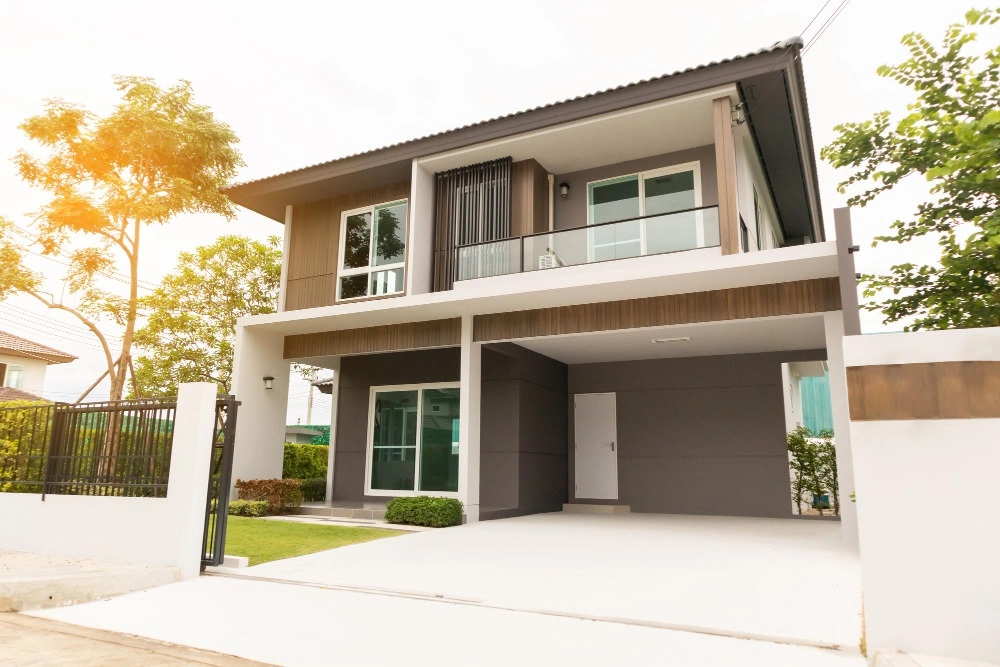
An addition on an older Front Range home holds its value when the roofline, window proportions and exterior materials read as one house, not two eras stitched together. Getting there in Denver and its older suburbs means working through historic district review, matching materials correctly and accounting for a foundation built decades before current soil and code standards.
Match the roof pitch, window height and trim proportions of the existing structure first, then choose an exterior material that is close in color and texture to the original brick, siding or stone even if it is a modern equivalent. An addition that copies the old home's proportions but uses a slightly different material reads as intentional; one that gets the proportions wrong reads as an add-on no matter what material is used.
The Denver Square is a common early-1900s house form found across Denver's older neighborhoods, built with a boxy two-story massing, a front porch and a hipped or pyramidal roof. An addition on a Denver Square commonly works best set to the rear of the lot, keeping the original front-facing form untouched so the house still reads as its original type from the street.
Denver has multiple designated historic districts, including parts of Baker, Capitol Hill, Wyman, and several individual neighborhoods with local landmark status, each with its own design guidelines. A homeowner should confirm whether a specific address sits inside a historic district or has individual landmark status before finalizing addition plans, since the rules differ by district.
Denver's Landmark Preservation Commission reviews exterior changes visible from the public right-of-way, including additions, window replacement, and material changes, checking them against that district's adopted design guidelines. Interior renovations and additions not visible from the street fall outside this review in most cases. Full details are in the city's Denver ADU, zoning and historic district guide.
Design review timelines vary with project scope and commission schedule, and a homeowner should build in extra weeks beyond a standard building permit timeline for review and any requested revisions. Talking with the city's preservation staff early, before finalizing architectural drawings, avoids a redesign after submission.
Yes. An addition with a noticeably different roofline, window style or siding material reads to buyers and appraisers as a lower-quality build, even when the construction itself is sound, and it can pull the whole home's price down to match its weakest visual element rather than up to reflect the added square footage.
Adaptive reuse means converting an existing structure, such as a detached garage, carriage house or older outbuilding, into new livable or income-producing space rather than demolishing it. On a Front Range property this commonly shows up as a detached garage converted into an accessory dwelling unit, which keeps the original structure's footprint while adding usable space and, where zoning allows, rental income.
Much of the Front Range sits on expansive bentonite clay soil that shifts as it takes on and loses moisture, and an addition tied into an older home's foundation, which was built to a different code and soil standard, needs its own engineered foundation designed for current soils reports rather than assuming it can simply extend the old footing. A geotechnical soils report before design work starts is standard practice for this reason, not an optional step.
| Permit or Review | When It Applies |
|---|---|
| Building permit | Every addition that adds square footage or changes structure |
| Historic district design review | Only for addresses inside a designated historic district or with landmark status |
| Zoning setback and height review | Every addition, to confirm it fits the lot's zone district rules |
| HOA or metro district architectural review | Only where the property is subject to HOA covenants |
Both approaches work when done well: a matching addition blends the roofline and materials so the whole house reads as one build, while a contrasting addition uses a clearly modern material, such as metal panel or large glass, set back from the original facade so the old and new read as distinct but intentional. What does not work, in either approach, is an addition that half-matches, close enough to invite comparison but different enough to look like an error.
Some older Front Range neighborhoods carry HOA covenants or sit inside a metro district with its own architectural review process, separate from city permitting. A homeowner should pull the specific covenants and confirm whether an architectural review committee needs to approve exterior plans before submitting for a city building permit.
A standard-finish addition on the Front Range commonly runs $250 to $450 per square foot depending on scope, foundation work and finish level, with historic district projects commonly landing at the higher end because of the extra design and material-matching work. Getting a firm number requires a contractor bid against final drawings, not a rule of thumb applied to a whole project.
Not automatically. An addition that matches the home's existing quality level and the neighborhood's typical size adds value close to or above its cost; an addition that pushes a home well past the size of its comparable neighbors, or that is built to a lower finish level than the original house, commonly does not return its full cost at resale.
Ask whether the addition was permitted, request the permit record from the city, and have an inspector check where the new structure ties into the old foundation and roofline, since an unpermitted addition can complicate financing, insurance and a future resale.
Whether the plan is buying a home with room to add on or pricing one that already has a well-built addition, the Kenna Real Estate Group can walk through what a specific Front Range property will support. Call or text 303-955-4220. A live person answers. Not a robot, not a phone tree. Search every home for sale in Colorado at kennarealestate.com/homes.
Questions about any home in Colorado? Call or text 303-955-4220. A live person answers.
A roofline, window proportion or trim detail that does not match the original house, regardless of how close the exterior material color is.
No, only addresses inside a designated historic district or with individual landmark status go through that review.
A common early-1900s house form across Denver's older neighborhoods, with boxy two-story massing, a front porch and a hipped roof.
Much of the Front Range sits on expansive bentonite clay that shifts with moisture, so an addition needs its own engineered foundation rather than extending the older home's original footing.
Yes, converting a detached garage or outbuilding into livable space keeps the existing structure's footprint while adding usable square footage.
Commonly $250 to $450 per square foot depending on scope and finish level, with historic district projects at the higher end.
Yes, it can pull the whole home's perceived value down even when the construction itself is structurally sound.
Confirm the addition was permitted through the city's records and have an inspector check the connection to the original foundation and roofline.