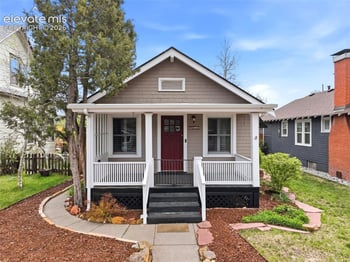
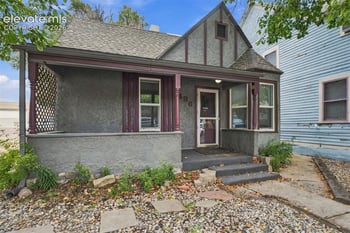
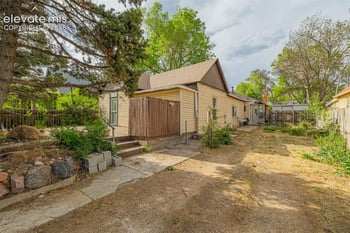
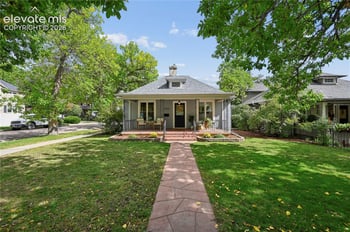
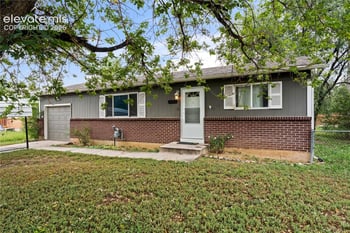
New - 1 Day Ago
$420,000
Active
4
Beds
3
Baths
2544
Sqft
0.1748
Acres
2170 Heatherdale Dr, Colorado Springs, CO 80915
MLS#: 6928258
.jpg)



Front Range air quality swings hard across the year: wildfire smoke drifting in from mountain fires some summers, dust kicked up by wind and construction, and dry air year-round that carries more airborne particles than a humid climate would. A smart air purifier addresses a real, recurring problem here, not a novelty.
Colorado's combination of wildfire smoke seasons, high wind-driven dust and low humidity means Front Range indoor air carries more particulates on an average year than homes in wetter climates. A smart purifier that adjusts automatically to real-time air quality handles those swings without a homeowner manually checking conditions every day, whether the home sits in Denver, Aurora, Colorado Springs or Fort Collins.
Smoke from mountain and Western Slope wildfires can push Denver metro air quality into unhealthy ranges for days at a time during a bad fire season, even when the fire itself burns far from the Front Range. A sensor-equipped purifier that ramps up automatically when outdoor smoke rolls in keeps indoor air cleaner than a purifier running on a fixed schedule.
Dry air lets dust and particulates stay airborne longer than in a humid climate, where moisture causes particles to settle faster. Pairing a smart air purifier with humidity control in the 30% to 50% range addresses both the dryness and the particulate load at the same time.
Size the unit to the room's square footage and the manufacturer's stated clean-air delivery rate rather than the marketed "square footage covered" number alone, which assumes ideal conditions. A 2,000 square foot Front Range home needs either one whole-home unit tied into the HVAC system or two to three room units placed in the bedrooms and main living space.
Spring wind events and late-summer pollen both spike outdoor particulate counts across the metro. A purifier with a real-time sensor increases fan speed automatically during those spikes, which matters most for households managing allergies or asthma.
A true HEPA filter, a real-time particulate sensor, and app-based monitoring that shows historical air quality data matter most. Connectivity features like voice control are convenient but secondary to filtration performance and sensor accuracy.
No. Most of Colorado sits in the EPA's highest radon potential zone, and radon requires dedicated mitigation, a sub-slab depressurization system, rather than air filtration, since radon is a gas that standard particulate filters do not remove. Test for radon separately from any air purifier decision.
A quality room-sized air purifier runs $400 to $900, while a whole-home unit integrated into the furnace's ductwork runs $1,500 to $3,500 installed, depending on home size and existing HVAC compatibility.
A standalone unit handles one or two rooms well; it does not replace whole-home filtration for a household that wants consistent air quality in every room. See how professional HVAC installation improves indoor air quality for the whole-home option.
Thinner air at Front Range elevations does not meaningfully change a purifier's filtration performance, since HEPA filtration works on particle size, not air pressure. The bigger factor at altitude is the region's dust and dryness, not the elevation itself.
A documented air quality system is a minor selling point in most transactions, but it matters more in specific cases — a home near a busy road, a home that has dealt with smoke exposure, or a household managing allergies — where a buyer asks directly about air quality during a showing.
Front Range dust loads mean filters need more frequent replacement than the manufacturer's default schedule, which assumes a milder climate. Check the filter monthly during high-wind spring months and wildfire smoke season, and replace on the app's usage-based alert rather than a fixed calendar date.
Yes, particularly for a home with a finished basement or a household member with respiratory sensitivity. Ask whether any installed purifier or filtration system conveys with the sale and what its maintenance history looks like.
Whole-home HVAC filtration treats air throughout the house continuously but only when the system runs; a standalone smart purifier runs continuously in a single room regardless of the furnace or air conditioner cycle. Many Front Range households use both together for the best year-round coverage.
Homes near active construction in fast-growing areas like Commerce City, Parker and Erie see higher outdoor dust loads during the surrounding build-out, which works its way indoors through open doors and standard HVAC intake. A smart purifier with a real-time sensor responds to that dust automatically rather than requiring a homeowner to notice and adjust settings manually.
A true HEPA filter physically traps particles as air passes through it and has a well-established performance standard. An ionizer charges particles to make them settle out of the air rather than filtering them directly, and some models produce ozone as a byproduct, which is itself a lung irritant. Front Range buyers shopping for a purifier should confirm true HEPA filtration rather than relying on an ionizer alone.
Place a purifier in the bedroom first, since that is where a household spends the most continuous hours breathing the same air, then the main living space. In a home with a finished basement used as a bedroom or office, add a unit there too, since basements tend to trap dust and have less natural air exchange than upper floors.
Keep the unit at least a foot from a wall or furniture so intake and exhaust airflow are not blocked, and avoid placing it directly behind a door where it draws in hallway air instead of the room it is meant to clean.
The Kenna Real Estate Group can tell buyers and sellers which air quality equipment is worth asking about in a specific Front Range home, from a finished basement to a home near a busy corridor. Call or text 303-955-4220. A live person answers. Not a robot, not a phone tree. Ready to tour homes with the air quality features that matter to you? Search every home for sale in Colorado.
Questions about any home in Colorado? Call or text 303-955-4220. A live person answers.
Yes. Smoke from mountain and Western Slope wildfires can push Denver metro air quality into unhealthy ranges for days during a bad fire season, even when the fire burns far away.
A quality room unit runs $400 to $900; a whole-home unit integrated into the furnace ductwork runs $1,500 to $3,500 installed.
No. Radon is a gas that standard particulate filters do not remove; it requires dedicated mitigation such as a sub-slab depressurization system.
One whole-home unit tied into the HVAC system, or two to three room units placed in bedrooms and the main living space.
Not meaningfully. HEPA filtration works on particle size, not air pressure; Colorado's dust and dryness matter more than elevation itself.
More frequently than the manufacturer's default schedule, especially during high-wind spring months and wildfire smoke season; use the app's usage-based alert instead of a fixed date.
No. A standalone unit covers one or two rooms well; many Front Range households run both a whole-home filter and a room unit together.
Buyers with a finished basement question or a household member with respiratory sensitivity ask directly, and whether any installed system conveys with the sale.