$448,500
Active
--
Beds
--
Baths
--
Sqft
--
Acres
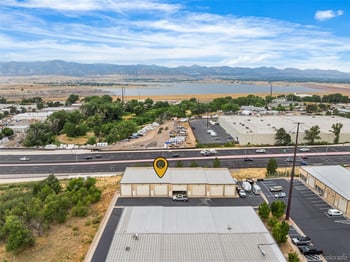
9341 Commerce Center St #D5, Highlands Ranch, CO 80129
MLS#: REC6361326
.jpg)



A move creates more decisions than most households expect at once, and self storage gives a Front Range household a way to slow that decision pace down, protect belongings, and work through a move in a sequence instead of all at once.
A storage unit creates room to sort belongings by room, clean thoroughly once furniture and boxes clear out, and hold items that don't need to travel to the new home immediately. Moving out earlier than a closing date, or needing extra time before a new home is ready, both become manageable with a storage unit as a buffer rather than a scramble to find temporary space at the last minute.
Start with items grouped by category rather than by room, such as clothes, seasonal gear and kitchen items not used daily, and place those into storage first. Packing early reduces the number of items a moving crew has to handle on move day, which keeps costs down since movers charge by time and volume. Donating unneeded items during this stage clears space and reduces what needs to be carried into the next home.
A closing delay or a gap between selling one home and closing on the next is common enough on the Front Range that many households plan for it from the start. A storage unit holds furniture and boxes during that gap without requiring a rushed short-term lease, and it removes the pressure of trying to time a move-out and move-in on the exact same day.
Heavy snow, ice on driveways and walkways, and periods of wildfire smoke in late summer can all slow a move or make outdoor access difficult on the Front Range. Storage keeps belongings protected if a move has to pause for a day or two because of weather, and building a one- or two-day buffer into a moving schedule during winter or late-summer smoke season avoids a forced move in poor conditions.
A standard storage unit on the Front Range runs roughly $80 to $200 a month depending on size and climate control, with a climate-controlled unit costing more but protecting wood furniture, electronics and photos from Colorado's temperature swings and low humidity. Self storage pricing varies by facility and season, so compare a few options near both the departure and arrival address before committing.
| Unit size | Typical monthly cost | Fits |
|---|---|---|
| 5x10 | $80 - $120 | Boxes, small furniture, seasonal gear |
| 10x10 | $120 - $160 | One to two bedrooms of furniture |
| 10x20 | $160 - $220 | A full single-family household |
Beyond the mover's quote, budget for storage, packing supplies, utility transfer fees, and any HOA move-in or move-out fee charged by the new or former community. There are practical ways to save money on a long-distance move, including booking movers outside peak summer weekends and consolidating trips instead of making several small ones.
Many condo and townhome HOAs across Denver, Aurora and Highlands Ranch require advance notice to reserve a loading dock or elevator, and some charge a move-in or move-out fee separate from monthly dues. Confirm these requirements with the HOA or property manager at least two weeks before the scheduled move date so the moving crew isn't turned away on arrival.
Most Front Range moves need no city permit, but a moving truck that blocks street parking for an extended period in dense parts of Denver needs a temporary parking permit from the city in some cases. Check with the city or the HOA before move day if the truck will need to occupy street parking or a loading zone for more than a short window.
Planning simple walking paths through the home before movers arrive, and deciding which rooms load first, keeps the day moving at a steady pace instead of a chaotic one. Keeping bulky furniture and seasonal equipment in storage until the new place is ready gives a moving crew more room to work and reduces the chance of damage to walls, doorframes or the furniture itself.
Labeling every box by destination room, packing heavier items in smaller boxes, and consolidating half-full boxes before moving day all reduce the time a crew spends handling the load, which is where most hourly moving costs come from. Fewer, better-organized boxes also mean fewer trips for anyone helping move items into storage.
Humidity along the Front Range sits in the teens and low 20s in percentage most of the year, which is dry enough to crack wood furniture, instruments and some electronics left in a non-climate-controlled unit for an extended period. A climate-controlled storage unit protects these items, and a portable humidity pack inside furniture drawers adds another layer of protection for a longer stay in storage.
Address changes with the post office, driver's license and vehicle registration updates through the Colorado DMV, and utility transfers all take longer to finalize than most households expect, so start them as soon as a closing date is set rather than during move week. Support during a relocation matters for every member of the household, and building extra time into the schedule for this paperwork reduces last-minute stress around the move itself.
Book movers and reserve a storage unit four to six weeks before a planned closing date, since Front Range moving companies fill their summer schedule well in advance. Booking early also gives more flexibility if a closing date shifts, which happens regularly enough in Colorado's contract timelines to plan around rather than react to.
Unpack everyday kitchen items, bedding and bathroom essentials first, then bring in less urgent boxes from storage over the following days or weeks rather than emptying everything at once. Taking photos of each room before unpacking helps decide furniture placement, and pacing the unpacking keeps the process from turning into an overwhelming single-day task.
The Kenna Real Estate Group helps Front Range households time a move around closing dates, storage and the local logistics each community requires. Call or text 303-955-4220. A live person answers. Not a robot, not a phone tree. Planning a move to Colorado? Search every home for sale in Colorado.
Questions about any home in Colorado? Call or text 303-955-4220. A live person answers.
A standard unit runs roughly $80 to $200 a month depending on size and whether it's climate controlled, with climate control adding protection against Colorado's dry air and temperature swings.
Not with a storage unit as a buffer. Booking storage ahead of a closing date gives a household somewhere to put furniture and boxes if the timeline shifts, which happens regularly enough to plan for.
Humidity on the Front Range sits in the teens and low 20s in percentage most of the year, dry enough to crack wood furniture and some electronics over a long stay, so a climate-controlled unit protects these items best.
Most moves need none, but a truck blocking street parking for an extended period in dense parts of Denver needs a temporary parking permit from the city in some cases.
Many Front Range condo and townhome HOAs do, and some require advance notice to reserve a loading dock or elevator, so confirm both at least two weeks before the move.
Four to six weeks before a planned closing date, since local moving companies fill their summer schedule well in advance and early booking gives more flexibility if the date shifts.
Storage, packing supplies, utility transfer fees and any HOA move-in or move-out fee are the costs most commonly missed beyond the mover's base quote.
Everyday kitchen items, bedding and bathroom essentials first, then bring in less urgent boxes from storage over the following days rather than emptying everything at once.