New - 17 Hours Ago
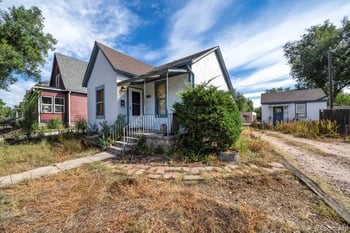
$250,000
Active
3
Beds
3
Baths
1670
Sqft
0.23
Acres
1407 N Wahsatch Ave, Colorado Springs, CO 80907
MLS#: REC8495409
.jpg)


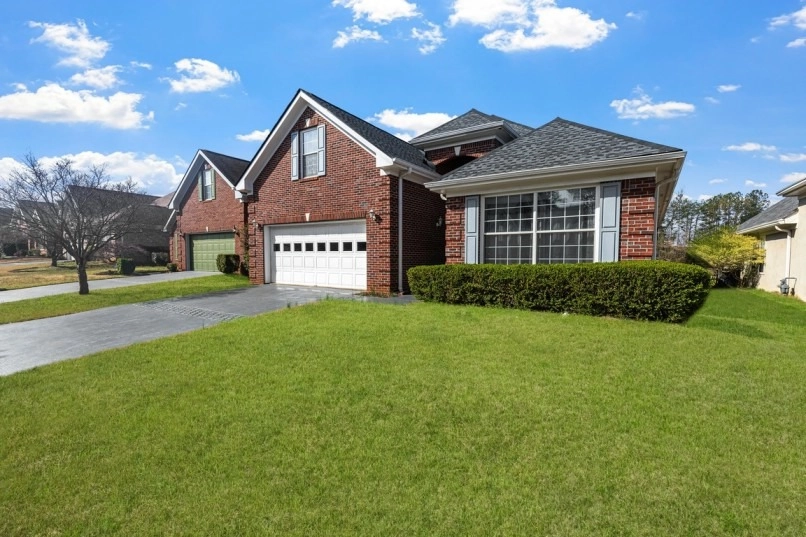
Property investment builds wealth on the Front Range through the same two channels it does anywhere: rental income and appreciation, but Colorado's landlord law, submarket variation and climate shape which properties and which strategies actually perform.
A primary residence purchase weighs a buyer's own preferences; an investment purchase weighs rental demand, expected appreciation and operating costs against a target return. Residential rental property in submarkets like Aurora, Lakewood or Colorado Springs offers steadier rental income with a lower entry cost in most cases, while commercial and mixed-use property in denser corridors carries higher potential rental returns alongside higher operating expenses and risk.
Property management fees in the Front Range run 8% to 12% of monthly rental income in most cases, and understanding how much a property manager costs is a key input when deciding whether to self-manage or hire a manager to handle tenant screening, rent collection and maintenance coordination. For an investor weighing the peace of mind that comes with a professional manager against the added cost, running both scenarios against actual rents for the specific property answers the question faster than a general rule of thumb.
An investor with one or two units and time to handle tenant communication and maintenance coordination can self-manage, and single-family property management software automates rent collection and maintenance requests well enough to make self-management realistic for a small landlord. An investor with multiple properties, or one who doesn't live near the property, finds a professional manager pays for itself in reduced vacancy and fewer missed maintenance issues in most cases.
Job growth, proximity to transit and major employment corridors, and planned infrastructure investment all move a Front Range property's long-term appreciation and rental demand. Areas with active redevelopment, such as parts of Denver's urban core, and growing suburban job centers along the I-25 and I-70 corridors, have shown some of the strongest demand growth in recent years, though past growth in any specific pocket does not ensure the same performance ahead.
Spreading investment across different Front Range submarkets and property types protects a portfolio if demand softens in any single area; property investment as diversification works the same way within a single metro area as it does across different asset classes. An investor holding a Denver condo alongside a Colorado Springs single-family rental isn't exposed to a single submarket's demand shift the way a portfolio concentrated in one neighborhood would be.
Understanding current market trends matters more for timing a purchase than trying to predict the exact bottom or top of a cycle. Interest rates, local inventory levels and population growth into the Front Range all factor into whether a given quarter favors a buyer or a seller, and tracking the Front Range market reports page keeps that picture current for a specific submarket.
Conventional investment property mortgages, portfolio loans, and cash purchases each carry different down payment requirements, rates and qualifying criteria, and an investment property loan requires a larger down payment than a primary residence loan in most cases. Investors comparing financing structures for a Front Range purchase can talk through options with Mike Oswald at Rate (NMLS 261003, Equal Housing Lender) — you are free to use any lender — through the Colorado home financing guide.
Colorado's warranty of habitability, its security deposit return timeline, and its 2024 for-cause eviction law all shift more responsibility onto careful screening and fast maintenance response than in states with fewer tenant protections. Factoring compliance costs and response time into a property's operating budget before purchase avoids surprises once a lease is signed.
Denver requires a rental license for most long-term rental properties, and other Front Range cities run separate licensing or registration programs. Confirm the current requirement for a specific city and property type as part of underwriting a purchase, since licensing timelines and fees affect how quickly a new investor can place a tenant and start collecting rent.
Combining residential rentals with a retail or mixed-use property spreads exposure across tenant types that respond differently to the same economic conditions, which smooths a portfolio's overall cash flow through a downturn in any single sector. This strategy works best when each addition is a deliberate, researched purchase rather than an opportunistic buy in an unfamiliar submarket.
Depreciation, 1031 exchanges and property tax assessment appeals all affect after-tax return on a Front Range investment property, and Colorado's property tax rules and assessment cycle differ from other states an out-of-state investor knows. A tax professional familiar with Colorado real estate should review a specific property's numbers before purchase, since these rules change and a general national guide can miss a state-specific detail.
An accessory dwelling unit or a finished basement apartment adds a second income stream to a single property, which can materially improve cash flow compared to a single-unit rental at the same purchase price. Zoning and permit rules for ADUs vary by city and county across the Front Range, so confirm what's allowed on a specific lot before underwriting the added unit into a purchase decision.
Run the numbers on rent versus expenses including property tax, insurance, HOA or metro district fees and a realistic vacancy allowance before making an offer, then compare that return against current rents using the rental property checklist for Colorado. A first-time investor should also confirm financing pre-approval and rental licensing requirements before writing an offer, not after.
Newer Front Range communities commonly carry metro district fees on top of property tax, and some HOAs restrict or outright prohibit rentals, which can eliminate a property from consideration regardless of its purchase price or rent potential. Confirm both before underwriting a purchase, since these fixed costs and restrictions change the return math directly. A title company or the HOA's own management company can confirm current dues, any rental cap already in place, and whether a waitlist exists for owners hoping to rent out a unit once the cap is full.
The Kenna Real Estate Group helps Front Range investors underwrite a purchase, compare submarkets and connect with financing built for investment property. Call or text 303-955-4220. A live person answers. Not a robot, not a phone tree. Ready to see what's on the market? Search every home for sale in Colorado.
Questions about any home in Colorado? Call or text 303-955-4220. A live person answers.
Property management fees run 8% to 12% of monthly rental income across the Front Range in most cases, and the right choice depends on how many properties an investor owns and how far they live from them.
Yes, investment property mortgages require a larger down payment than a primary residence loan in most cases. Mike Oswald at Rate can review current options, and you are free to use any lender for the same conversation.
Yes, for most long-term rentals. Other Front Range cities run their own licensing or registration programs, so confirm the requirement for the specific city before closing.
Spreading a portfolio across submarkets and property types protects against a demand shift in any single area, though concentrating in one familiar submarket can work well for an investor who knows it deeply.
It can add a second income stream to a single property, improving cash flow compared to a single-unit rental at the same price, but zoning and permit rules vary by city and county and should be confirmed first.
Depreciation, 1031 exchanges and property tax assessment appeals all affect after-tax returns. A tax professional familiar with Colorado rules should review a specific property before purchase.
Not always. Some Front Range HOAs restrict or prohibit rentals outright, so confirm the community's rules before underwriting a purchase.
Run rent against expenses including property tax, insurance, HOA or metro district fees and a vacancy allowance, and confirm financing pre-approval and rental licensing requirements before writing the offer.