New - 1 Hour Ago

$1,350,000
Active
4
Beds
4
Baths
3850
Sqft
2.37
Acres
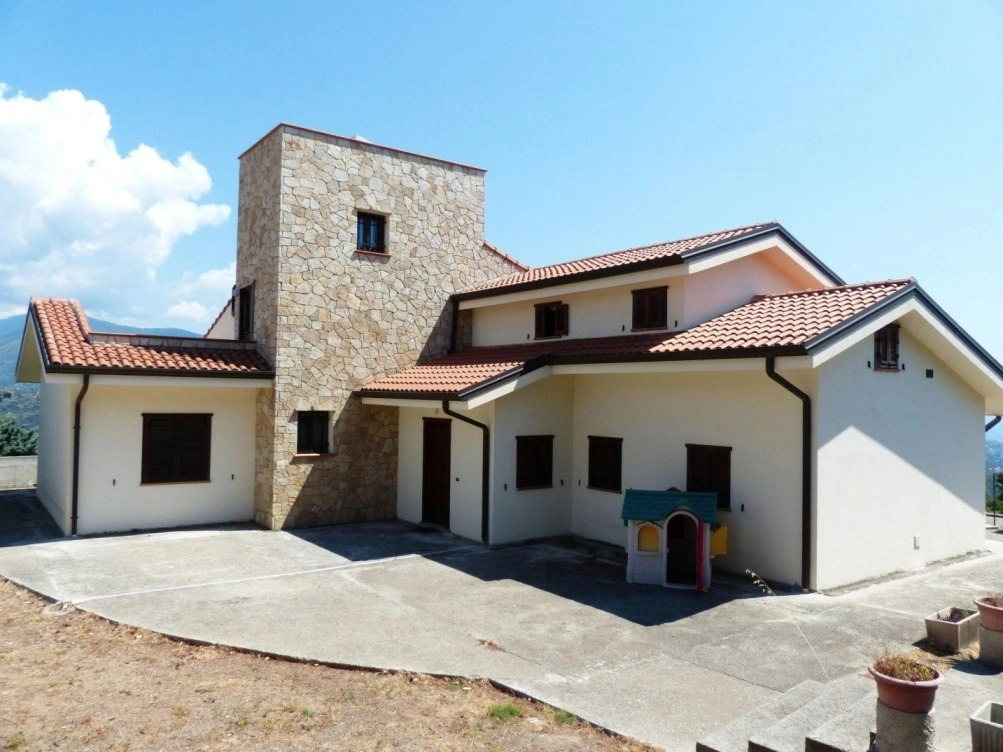
7506 S Telluride Ct, Centennial, CO 80016
MLS#: 4373722
.jpg)


Cash flow on a Front Range rental grows from the properties already owned just as much as it grows from buying more, and Colorado's own landlord-tenant law shapes which levers actually work here.
Start by pulling current rents on comparable units within a mile of the property in Denver, Aurora, Lakewood or Centennial, then set an increase that closes the gap gradually rather than jumping to full market rent in a single notice. Colorado law requires written notice of a rent increase with lead time tied to the lease term, so build that notice period into the plan and pair any increase with a documented improvement, such as new lighting, fixtures or paint, that gives the tenant a reason the increase tracks value added.
Reserved parking, a storage unit rental, a pet fee for tenants with animals, and offering the unit furnished for a premium are all add-on income streams that Front Range landlords use without raising base rent. These additions work best when priced against what similar Denver-metro units charge for the same amenity, since an add-on priced above market goes unused and adds nothing to cash flow.
Colorado law sets a default timeline for returning a security deposit, within one month of move-out in most cases unless the lease specifies a longer period up to 60 days, and requires an itemized list of any deductions. Landlords who document unit condition with photos at move-in and move-out reduce disputes that otherwise eat into the cash a deposit was meant to protect.
Colorado's tenant screening law requires a landlord to disclose screening criteria before collecting an application fee and to charge no more than the actual cost of the screening report. Applying the same written criteria to every applicant, and keeping records of why an applicant was declined, protects a landlord from a fair housing complaint while keeping the screening process itself efficient.
Colorado's warranty of habitability requires a landlord to keep a rental in livable condition, covering functioning heat, plumbing, electrical systems and weatherproofing, and a landlord who responds slowly to a habitability issue risks both a legal complaint and a tenant who leaves at lease-end instead of renewing. Fast, documented responses to maintenance requests are one of the lowest-cost ways to protect cash flow, since retaining a good tenant avoids the vacancy and turnover cost of finding a new one.
Colorado's for-cause eviction law limits a landlord's ability to decline to renew a lease without a specific, legally listed reason once a tenancy reaches a set length, which shifts more weight onto getting the tenant relationship right from the start rather than planning to simply not renew. Screening carefully at move-in and addressing problems early during the tenancy matters more under this law than it did before.
Denver requires a rental license for most long-term rental properties, and other Front Range cities run their own licensing or registration programs with different requirements. Confirm the current rule for the specific city and property type before listing a unit for rent, since an unlicensed rental can face fines that cut directly into cash flow.
Bonus depreciation lets an investor accelerate the depreciation deduction on qualifying property components, which reduces taxable income in the years it's claimed and improves after-tax cash flow on a property that's already producing positive income. Educational resources about bonus depreciation are a starting point for understanding what applies to a specific property, and a tax professional should confirm the strategy before it's claimed on a return.
Clear, prompt communication about maintenance timelines, rent due dates and any changes to the lease keeps small issues from becoming a reason a tenant decides not to renew. Landlords who respond within 24 to 48 hours to a maintenance request and give tenants advance notice of any property visit build the kind of relationship that supports a lease renewal instead of a costly turnover.
Sequence larger projects, such as a roof or HVAC replacement, around lease-renewal timing so the improvement supports a rent increase rather than landing as a surprise expense mid-lease. A written action plan that lists each project, its cost and the rent or retention benefit it's expected to produce keeps capital spending tied to cash flow instead of running ahead of it.
Refinancing an existing rental at a lower rate, or using a cash-out refinance or a home equity line of credit to fund an income-boosting improvement, can lower monthly debt service or fund an upgrade without draining reserve cash. Owners weighing these options can compare them with Mike Oswald at Rate (NMLS 261003, Equal Housing Lender) — you are free to use any lender — through the Colorado home financing guide.
Vacancy rates and rent growth vary by Front Range submarket, and a landlord in a high-demand pocket of Denver can push a larger increase than one in a submarket with more competing inventory. The Front Range market reports page tracks these differences by area, and pulling current data before setting a new rent keeps the number grounded in the specific submarket rather than a citywide average.
Updated lighting, new fixtures, fresh paint and functional storage are the improvements tenants notice fastest and the ones that support a rent increase without a full renovation budget. Smart home features, such as a keyless entry or a smart thermostat, also register with Front Range renters comparing units and support a modest premium.
Many newer Front Range communities carry metro district fees on top of property tax, and some HOAs restrict short-term or even long-term rentals outright, so confirm both before assuming a property can operate as a rental at all. These fixed costs factor directly into the cash flow math and should be checked before setting a rent target.
Track rent collected against rent billed, maintenance spending against budget, and vacancy days against the prior year for the same unit. A property drifting on any of these three numbers for two months in a row is an early sign of a cash flow problem worth addressing before it compounds.
The Kenna Real Estate Group works with Front Range landlords on rent positioning, improvements that support a rent increase, and connecting owners with financing to fund the next project. Call or text 303-955-4220. A live person answers. Not a robot, not a phone tree. Looking for the next rental property? Search every home for sale in Colorado.
Questions about any home in Colorado? Call or text 303-955-4220. A live person answers.
Colorado requires written notice tied to the lease term before a rent increase takes effect; the exact lead time depends on the lease length, so confirm the current requirement before sending notice.
Within one month of move-out in most cases, unless the lease specifies a longer period up to 60 days, with an itemized list of any deductions.
A landlord must disclose screening criteria before collecting an application fee, charge no more than the actual cost of the screening report, and apply the same criteria to every applicant.
Yes, for most long-term rentals. Other Front Range cities run their own licensing or registration programs, so confirm the current rule for the specific city before listing a unit.
A landlord who responds slowly to a habitability issue such as heat or plumbing risks a legal complaint and a tenant who leaves at lease-end, so fast documented repairs protect both compliance and cash flow.
It limits a landlord's ability to decline to renew a lease without a specific, legally listed reason once a tenancy reaches a set length, which puts more weight on careful screening and early problem-solving.
It can accelerate depreciation deductions on qualifying property components, reducing taxable income in the years claimed. A tax professional should confirm the strategy applies to a specific property before it's used.
Pair the increase with a documented improvement tenants notice, such as updated lighting, fixtures or a smart thermostat, and phase the increase toward market rate rather than jumping to it in one notice.


