.jpg)


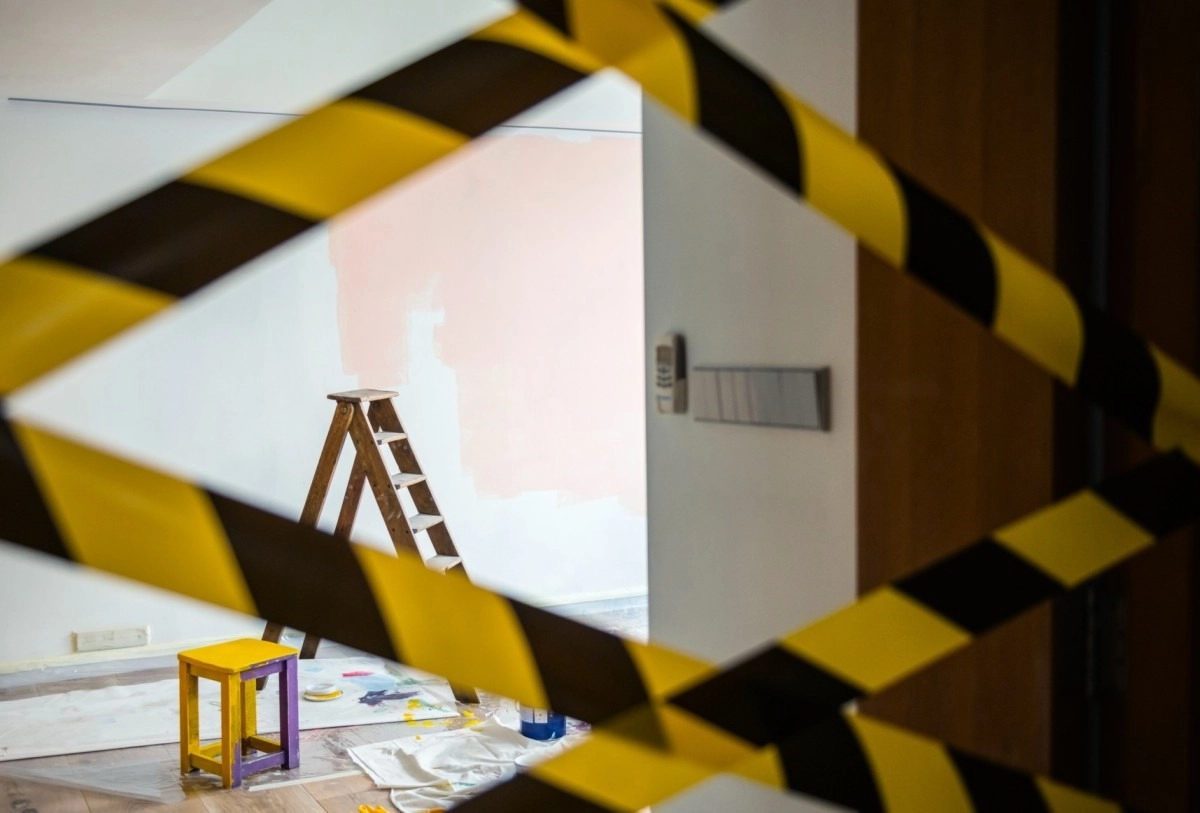
A skipped roof inspection before Colorado's hail season is the single most expensive commercial property maintenance mistake on the Front Range, because a small leak found in April costs a fraction of the water damage, business interruption and tenant claims that follow an undetected leak through a summer storm. The seven mistakes below repeat across Denver metro office, retail and industrial buildings, and every one of them costs more to fix after the fact than to prevent.
Mistake 1: Skipping preventive maintenance before hail season
Colorado's hail season runs from spring into early fall, with the highest claim volume in the summer months, and a roof with existing wear fails faster once storms start. Schedule the annual roof, gutter and drainage inspection in early spring, before the season starts, not after the first storm forces an emergency call. Commercial property maintenance contracts that include a pre-season roof check catch flashing and seal issues while the repair is still a caulk job, not a full section replacement.
Mistake 2: Ignoring freeze-thaw damage on the Front Range
Colorado's freeze-thaw cycle, where water gets into a crack, freezes, expands and widens the crack, then thaws and repeats, breaks down parking lot asphalt, concrete walkways and exterior stucco faster than in a climate without hard freezes. A hairline crack in October becomes a pothole by March if it is not sealed before the first freeze; budget for fall crack-sealing as a standing line item, not an occasional fix.
Mistake 3: Underestimating expansive soil movement
Much of the Front Range sits on expansive bentonite clay soil that swells when it absorbs water and shrinks as it dries, which moves foundations and slabs enough to crack interior finishes and jam doors over a period of years. A commercial building on this soil type needs a drainage system that keeps water moving away from the foundation year-round, not just during storms, and a structural engineer's opinion before ignoring a new crack pattern. The Colorado real estate investing guide covers how soil and grading issues affect an investment property's long-term cost.
Mistake 4: Letting unlicensed workers handle repairs
Colorado requires licensing for electrical and plumbing work, and an unlicensed repair that fails an inspection or causes damage leaves the property owner liable and can void insurance coverage on the related claim. Verify a contractor's Colorado license and insurance certificate before signing a work order, not after the job is finished.
Mistake 5: Cutting corners on contractor insurance to save money
A lower bid from an uninsured or underinsured contractor shifts the financial risk of an accident or a botched repair onto the property owner. Require proof of general liability and workers' compensation insurance before any commercial repair starts, regardless of the size of the job.
Mistake 6: No maintenance record for the building
A property without a written maintenance log cannot show a pattern of recurring problems, which makes budgeting for next year's capital repairs a guess instead of a plan. Log every service call, repair and inspection with the date, vendor and cost, and review the log annually to catch a system that is failing faster than expected.
Mistake 7: Picking the wrong annual maintenance provider
| What to check | Why it matters in Colorado |
|---|---|
| Scope of work | Electrical, HVAC and plumbing coverage should match the building's actual systems, not a generic package |
| Cost transparency | Get a written breakdown of per-visit and annual costs; some providers raise rates sharply after year one |
| Licensing and insurance | Confirm Colorado licensing and current insurance before signing a multi-year contract |
| Response time | A hail-season roof leak or a winter heating failure needs a same-day response window in the contract |
These tips for choosing annual maintenance contracts apply the same questions Colorado owners should ask before signing: scope, cost transparency, licensing and response time.
What preventive HVAC maintenance costs versus replacement
Preventive HVAC service on a mid-size Denver metro commercial building runs a few hundred dollars per visit; a full rooftop unit replacement on the same building runs into the tens of thousands once removal, crane rental and electrical work are included. Replace an aging unit on a planned schedule instead of waiting for a mid-summer failure that forces an emergency, above-market replacement cost.
Mag chloride and commercial parking lots
Colorado's winter road treatment tracks mag chloride onto parking lots and into building entries, which accelerates concrete spalling and corrodes exposed metal over time. Rinse high-traffic entry areas and drains after major snow events, and seal concrete on a multi-year schedule to slow the damage.
Inspection schedule for a Colorado commercial building
| System | Inspection schedule |
|---|---|
| Roof and drainage | Twice a year: early spring before hail season, and again before winter |
| HVAC | Twice a year: spring and fall, before the peak cooling and heating loads |
| Foundation and grading | Annually, or immediately after any new crack pattern appears |
| Parking lot and hardscape | Fall crack-sealing before the first freeze; spring review after snowmelt |
| Electrical and fire-code emergency systems | On the schedule the local fire code requires, at minimum |
Keeping manufacturer warranty and service records
A roof, HVAC unit or major system installed under manufacturer warranty needs its service records kept in order, since most warranties require proof of scheduled maintenance to stay valid, and a claim denied for a missing service record costs the owner the full replacement price. File every warranty document, installation date and service receipt together with the maintenance log for that system, not scattered across separate contractor invoices.
Snow removal and winter liability on Colorado commercial property
Colorado law and most city ordinances put the responsibility for clearing snow and ice from commercial sidewalks and parking areas on the property owner, within a set window after a storm ends. A slip-and-fall claim tied to an uncleared entrance costs far more than a snow removal contract, and a written, dated snow-removal log protects the owner if a claim is filed months after the fact. Budget for both routine plowing and a faster-response contract for ice on entry ramps and loading docks, where a fall carries the highest liability exposure.
Energy efficiency upgrades that cut Colorado operating costs
LED lighting retrofits, programmable thermostats and improved insulation reduce a Colorado commercial building's utility bill through both the cold winter heating season and the hot, high-UV summer cooling season, a strategy detailed in future-proofing a Denver commercial property with sustainable upgrades. Xcel Energy and other Colorado utilities have offered rebate programs for qualifying commercial efficiency upgrades in the past; check current program availability before budgeting a retrofit, since rebate programs and amounts change from year to year.
Budgeting capital reserves for a Colorado commercial building
A maintenance log going back several years shows which systems are approaching the end of their expected life, which lets an owner budget a capital reserve for roof, HVAC and paving replacement instead of financing an emergency repair at a worse rate. Owners preparing and adding value before selling benefit the most from this record, since a documented maintenance history and a funded reserve reassure a buyer's lender and Denver property tax appraiser during due diligence.
Where to go next
- Why Colorado Commercial Property Investors Are Betting on Prefabricated Steel Buildings
- Future-Proof Your Denver Commercial Property with Sustainable Upgrades
- Colorado real estate investing guide
- Preparing and adding value before selling
- Denver property taxes guide
- Explore Denver
- Search every home for sale in Colorado
Talk to the Kenna Real Estate Group
The Kenna Real Estate Group works with Colorado commercial property owners preparing a building to list, refinance or hold for the long term, and can connect an owner with vetted local vendors for the repairs a pre-listing inspection turns up. Call or text 303-955-4220. A live person answers. Not a robot, not a phone tree. Or search every home for sale in Colorado to see current commercial and investment inventory.
Homes for sale that match this post
Guides
Questions about any home in Colorado? Call or text 303-955-4220. A live person answers.