New - 1 Hour Ago
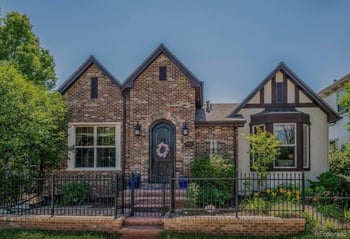
$1,230,000
Coming Soon
3
Beds
3
Baths
4243
Sqft
0.1
Acres
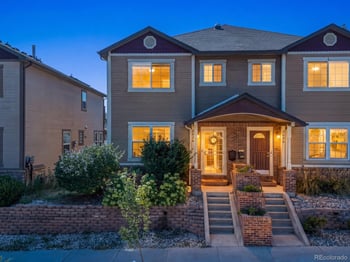
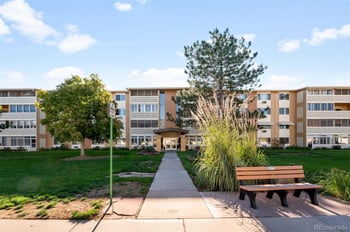
9720 E 32nd Ave, Denver, CO 80238
MLS#: REC9979876
.jpg)



The fastest way to tell if you're paying too much for a Denver metro home is to compare the listing price against three to five closed sales of similar homes within the past 90 days, within a half-mile to a mile of the property. If the listing sits 5% or more above those closed comps with no upgrades to explain the gap, you're looking at an overpriced home, not just a confident asking price.
Front Range buyers lose money in three places: paying above comparable sales, paying above what an appraisal will support, and paying to fix problems a seller should have disclosed. Here is how to catch all three before you sign a contract, in Denver, Aurora, Lakewood, Littleton, Centennial, Colorado Springs and Fort Collins.
Pull closed sales, not active listings, for the comparison. Active listings show what sellers hope to get; closed sales show what buyers actually paid. Match bedrooms, bathrooms, square footage within 10-15%, lot size, and age. A 1,600 square foot ranch in Wheat Ridge should be measured against other 1,500-1,800 square foot ranches nearby, not against a remodeled two-story three streets over.
Check the Kenna market reports for a city-by-city read on median price and price-per-square-foot trends before you write an offer, and pull live comps for a specific home by searching every home for sale in Colorado.
A Front Range home that's been listed 45-60+ days in a market where similar homes sell in 2-3 weeks is a stale listing. Three things cause it: price, condition, or location. Ask the listing agent for the price history. A home that started $30,000-$50,000 above the neighborhood and has had one or two price cuts is still worth checking against comps, because the current price can still sit above fair value even after the cuts.
Price per square foot is a screening tool, not a final answer. Pull the average price per square foot for closed sales in the same ZIP code over the last 60-90 days from a Kenna market report, then compare it to the listing. A 15-20% gap with no major remodel, view, or lot advantage is a sign the price needs to come down, not up.
In a competitive Front Range market, buyers sometimes agree to a price above what recent comps support, betting the appraisal will catch up. When it doesn't, the gap between the contract price and the appraised value is the appraisal gap, and the buyer covers it in cash unless the contract says otherwise. Before you agree to cover an appraisal gap, get a written opinion of value from your agent using the same comps an appraiser would use, and read tips for getting a better home appraisal value.
Waiving an appraisal or inspection contingency to win a bidding war removes your ability to renegotiate the price if problems turn up. If you waive contingencies, build a cushion into your maximum offer instead: cap what you'll pay at 3-5% above the strongest comp, not above the listing price.
Colorado's inspection objection deadline gives buyers a 7-10 day window after contract to have the home inspected and submit a formal objection asking the seller to fix issues, credit the price, or let the buyer walk. Roof age, furnace and water heater condition, electrical panel type, sewer scope results, and foundation cracks from Colorado's expansive clay soils are the items that most frequently change the real price of a home after inspection. If the inspector finds deferred maintenance the listing photos didn't show, the objection period is your opening to bring the price back in line, not a reason to walk away from a home you want.
Colorado sellers complete a written property disclosure. Compare it line by line against the inspection report. A disclosure that says "no known roof leaks" next to an inspection photo of water staining in the attic is a reason to renegotiate price, not a reason to assume the paperwork is wrong.
A home priced $10,000-$20,000 below a comparable listing can still cost more per month once you add a metro district mill levy or a $350-$450 monthly HOA fee. Ask for the HOA's current budget, reserve study, and any pending special assessments before you finalize your offer price. Metro district taxes are common in newer Front Range communities in Douglas, Weld and Adams counties and can add hundreds of dollars a month that a comps-only comparison misses.
Colorado's hail season runs spring through September, and a roof that's taken repeated hail hits without a claim filed is a negotiating point, not a footnote. Ask for the roof's age and any prior insurance claims, and read how to know if a roof repair estimate is fair and which exterior upgrade returns the most at resale before you decide whether to ask for a credit or move on.
An escalation clause automatically raises your offer above a competing bid up to a cap you set. In a multiple-offer Denver metro situation, escalation clauses win homes, but the cap needs a ceiling tied to your comps, not to how badly you want the house. Set the cap at the top of the comparable sales range and stop there, even if the seller's agent signals other offers are higher.
Colorado county assessor values, the number on your property tax notice, are based on a mass appraisal done every two years and lag 6-18 months behind current market conditions. Don't use the assessor's value to judge whether a listing price is fair. Use recent closed sales and, when the contract allows it, a private appraisal instead.
A pre-approval sets your real budget before you fall for a home above it. For financing questions, rate locks and loan programs, talk to Mike Oswald at Rate (NMLS 261003, Equal Housing Lender) - you are free to use any lender. Start with the Colorado home financing guide and Kenna Credit Care mortgage readiness program to get your numbers straight before you make an offer.
The purchase price isn't the full cost. Colorado closing costs run 2-4% of the purchase price between lender fees, title insurance, recording fees and prepaid escrow. Read the Colorado buyer closing costs guide so the number you compare against comps includes everything you'll actually pay at the table.
The Kenna Real Estate Group pulls the actual closed comps on a home before you write an offer, so your number is based on what buyers paid, not what a seller hopes to get. Call or text 303-955-4220. A live person answers. Not a robot, not a phone tree. Start your search now and search every home for sale in Colorado.
Questions about any home in Colorado? Call or text 303-955-4220. A live person answers.
Compare the listing price against 3-5 closed sales within the past 90 days, within a half-mile to a mile, matched on bedrooms, bathrooms and square footage. A gap of 5% or more above those comps, with no upgrades to explain it, points to an overpriced home.
In most Denver metro submarkets, homes that sell quickly go under contract in 2-3 weeks. A listing at 45-60 days or more with one or two price cuts is worth comparing against closed comps again before you offer near the current price.
An appraisal gap is the difference between the contract price and the appraised value. Unless the contract states otherwise, the buyer covers that gap in cash to close at the agreed price, which is why getting a comp-based opinion of value before offering matters.
Yes. The inspection objection period, a 7-10 day window after contract, lets a buyer ask the seller to fix issues, credit the price, or release the buyer from the contract based on what the inspection finds.
A lower purchase price can still mean a higher monthly cost once a metro district mill levy or a $350-$450 HOA fee is added. Ask for the HOA budget, reserve study and any pending special assessments before finalizing your offer.
Yes. Colorado's hail season runs spring through September, and a roof with repeated hail hits and no filed claim is a legitimate point for a price credit or replacement request during the inspection objection period.
Yes. A pre-approval sets a real budget before you compare listings, and it tells a seller your offer is backed by financing. Mike Oswald at Rate (NMLS 261003, Equal Housing Lender) can run your numbers; you are free to use any lender.
Colorado closing costs run 2-4% of the purchase price, covering lender fees, title insurance, recording fees and prepaid escrow. Add that percentage to any price comparison so you're comparing full costs, not just the contract price.