New - 2 Hours Ago

$545,000
Active
4
Beds
4
Baths
2668
Sqft
0.18
Acres
8004 Steward Ln, Colorado Springs, CO 80922
MLS#: 6156784
.jpg)


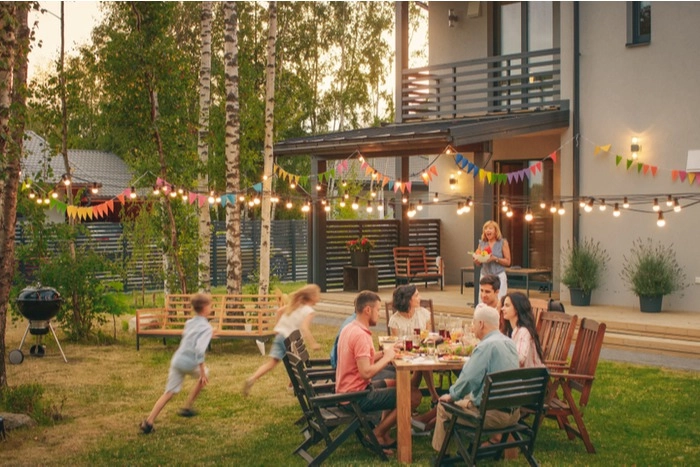
A relaxing backyard on the Front Range starts with plants and materials built for a semi-arid climate at altitude, not a design borrowed from a wetter, low-elevation state. Homeowners in Denver, Aurora, Lakewood, Littleton, Colorado Springs and Fort Collins get the most from a yard engineered for less water, more direct sun and bigger weather swings than the design shows in a catalog.
Shade, a comfortable seat and one soft sound source do most of the work. The Front Range gets roughly 300 sunny days a year, so a shaded seating area matters more here than in a cloudier climate. A small recirculating water feature, a fire pit for cool evenings, and a windbreak of shrubs on the west side turn an ordinary yard into a place people actually sit.
Skip the wide-open lawn as the centerpiece. A tighter, planted seating zone with a hard surface underfoot holds up to Colorado's dry air and dust better than grass ever will.
Denver Water's summer watering rules limit outdoor irrigation to three assigned days a week and bar watering between 10 a.m. and 6 p.m., when evaporation is highest. Most Front Range utilities run a similar schedule during the growing season. Colorado law now bars homeowners associations from prohibiting drought-tolerant landscaping outright, and a growing number of Denver metro HOAs cap new front-yard turf and require a landscaping plan before you dig. Read your covenants and check with the metro district before a full lawn tear-out.
Blue grama grass, Russian sage, yarrow, penstemon, rabbitbrush and pinyon pine all hold up to Colorado's short growing season, thin soil and low humidity with a fraction of the water a Kentucky bluegrass lawn needs. Group plants by water need in zones, mulch heavily to hold moisture in the clay, and leave the thirstiest plants closest to the house where drip irrigation is easiest to run.
A xeriscape conversion on a typical Front Range lot runs roughly $3 to $8 per square foot once soil prep, mulch, drip line and plants are included, with rebates available in some Denver metro water districts.
Front Range wind punishes loose umbrellas and lightweight furniture, especially on open lots in Erie, Brighton and Broomfield. A pergola bolted to concrete footings, UV-rated shade sail anchored at four fixed points, and powder-coated metal furniture with weighted bases outlast anything wicker or resin. Hail season runs from spring through September on the Front Range, so store or cover cushions and umbrellas when a storm is forecast, and choose acrylic-coated outdoor fabric rated for UV and impact rather than standard patio cloth.
Denver, Aurora, Colorado Springs and Fort Collins each require a building permit for a fixed pergola, gas fire pit line, or any structure over a set footprint and height. Expansive clay soil under most Front Range lots heaves footings that are not poured below the frost line, so a permitted, engineered footing protects the structure as much as it satisfies the inspector. Check with your city or county building department before pouring concrete.
Homes near Golden, Morrison and the western edge of the metro area sit inside wildfire defensible space rules that keep flammable mulch, dense shrubs and wood structures out of the first five feet around the house. A gravel or paver border in that zone, with irrigated, low-fuel plants beyond it, satisfies most county defensible space checklists and still reads as a finished backyard.
Buyers on the Front Range respond to a backyard that looks finished and low-maintenance in listing photos, not to the size of the lawn. A xeriscaped, shaded seating area with a fire feature photographs well and signals lower carrying costs to a buyer comparing water bills. The Preparing and Adding Value Before Selling guide and the Pricing Your Colorado Home to Sell guide both cover which outdoor upgrades actually move a Front Range offer.
A backyard finished six to twelve months before listing also gives new plantings time to fill in, so the photos show an established garden rather than a bed of small starter plants that still needs a season or two to look complete.
Ask for the printable Colorado backyard planning checklist in the form below and we email it the same day.
Direct sun at 5,280 feet carries more ultraviolet radiation than the same sunny day at sea level, which fades cushion fabric, checks wood sealant and breaks down plastic furniture years before the same products wear out in a lower, cloudier climate. UV-rated fabric, a hardwood or composite deck material, and a fresh coat of exterior sealant every two to three years keep a backyard looking finished instead of sun-bleached.
Denver, Aurora, Lakewood, Littleton and Colorado Springs each cap backyard fence height, commonly around six feet in a rear yard and lower along a street-facing side, and most HOAs add their own material and color rules on top of the city code. A privacy screen of shrubs or a pergola with slatted panels can add height and enclosure beyond a code-capped fence without a variance, as long as it is not built as a solid structure that functions like a taller fence.
A small recirculating fountain or a stone water bowl uses a fraction of the water a decorative pond does and runs on a closed loop that is not subject to the same summer watering-day restrictions as landscape irrigation. Pair it with wind chimes or ornamental grasses that move in the breeze for a low-water way to add sound to a Front Range backyard.
A xeriscaped, shaded Front Range backyard runs far cheaper to maintain across a full year than a traditional lawn-centered yard, since drip irrigation on a timer replaces weekly mowing and a bluegrass lawn's summer water bill. Budget for an annual mulch top-off, a spring check of drip lines after winter freeze damage, and periodic pruning of native shrubs, which together cost a fraction of what a full-service lawn care contract runs on a comparable Denver metro lot. Drain and blow out drip lines before the first hard freeze each fall the same way an irrigation professional winterizes a sprinkler system, since a cracked line under a xeriscape bed is a repair, not a maintenance task.
The Kenna Real Estate Group helps Front Range sellers decide which backyard upgrades earn their cost back before a listing goes live, and helps buyers judge a backyard's water bill, permit history and HOA standing before they write an offer. Call or text 303-955-4220. A live person answers. Not a robot, not a phone tree. Or search every home for sale in Colorado to see backyards like this one in person.
Questions about any home in Colorado? Call or text 303-955-4220. A live person answers.
Yes. Replacing bluegrass with drought-tolerant plants and mulch cuts outdoor water use substantially because Colorado's dry air and low humidity make traditional turf one of the thirstiest landscaping choices on the Front Range.
State law now blocks most Colorado HOAs from banning drought-tolerant landscaping outright, though many still require a landscaping plan submitted for architectural review before you dig.
Denver Water limits outdoor irrigation to three assigned days a week during the growing season and bars watering between 10 a.m. and 6 p.m. Check your own utility, since Aurora Water and Colorado Springs Utilities run separate schedules.
A fixed, gas-fed fire pit or a pergola over a city's size threshold needs a building permit in Denver, Aurora, Colorado Springs and Fort Collins. A portable wood-burning fire pit sitting on a patio does not.
Ornamental grasses, yarrow, Russian sage and rabbitbrush flex in wind and hail and recover fast. Broad-leafed annuals shred the easiest and need the most replanting after a spring or summer storm.
A pergola bolted to engineered concrete footings holds up to Front Range wind gusts. A freestanding, unanchored kit structure is the one that fails first in an open-lot suburb.
A finished, low-maintenance backyard photographs well and lowers a buyer's expected water bill, both of which help a Denver metro listing stand out against homes with an unfinished yard.