.jpg)


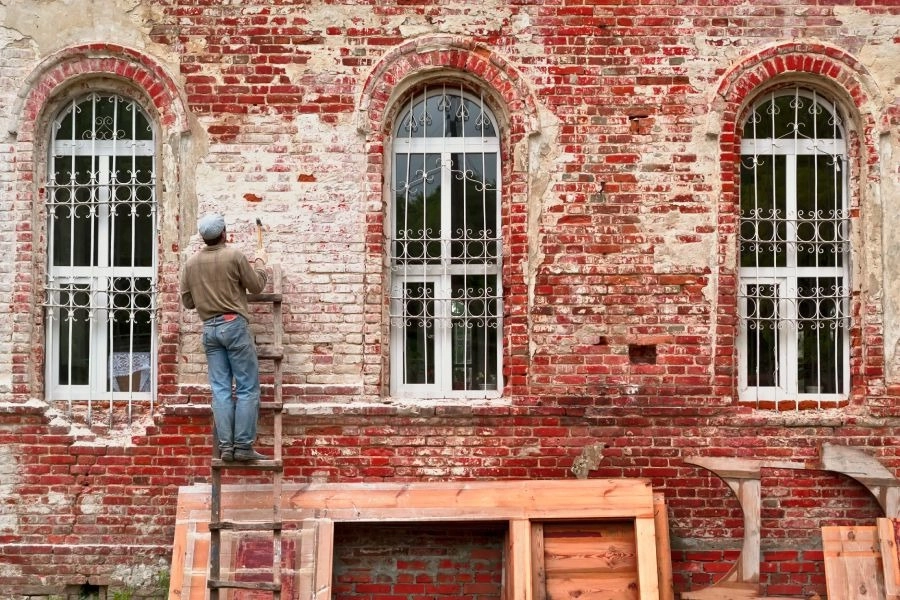
A historic home on the Front Range comes with a second layer of approval that a standard remodel never touches: a landmark or historic-district review, on top of the usual city permit process. Understanding both before buying, or before pulling a permit on a home already owned, keeps a renovation from stalling halfway through.
What makes renovating a historic Colorado home different from a standard remodel?
A historic renovation has to satisfy two separate reviews: the standard building permit process every project goes through, and a design review from the local landmark or historic-district authority that looks specifically at whether the work preserves the building's character. That second review adds time, adds documentation requirements, and can restrict material and design choices that would otherwise be routine.
Does Denver have historic districts that limit renovation?
Yes. Denver has designated historic districts and individually landmarked properties across neighborhoods including parts of Baker, Capitol Hill, Five Points, and others, each with its own design guidelines. A property does not have to look obviously historic to be inside a district boundary, which is why checking a specific address against Denver's landmark records matters before assuming any renovation is a routine permit.
What does Denver's Landmark Preservation Commission review?
The commission reviews exterior changes visible from the public right-of-way: siding and material changes, window replacement, roofline alterations, additions, and demolition. Interior renovations do not require landmark review, which is why many historic-home renovations on the Front Range focus interior updates first and treat exterior changes as a separate, longer-timeline project.
How long does landmark review add to a renovation timeline?
Landmark or historic-district design review runs on its own meeting schedule, separate from the standard permit queue, and a project requiring a public hearing can add weeks to months before a building permit is even issued. Homeowners planning exterior work on a historic property should build that review timeline into the project schedule from the start, not treat it as a formality at the end.
Are there tax credits for renovating a historic Colorado home?
Colorado offers a state income tax credit for qualified rehabilitation of historic structures, available to owners who complete approved preservation work on a designated historic property. The credit amount and qualifying work categories are set by the state's historic preservation program, and an owner planning a significant historic renovation should confirm current eligibility and required documentation before starting work, since the credit requires pre-approval of the project scope.
Does a historic property still need a standard building permit?
Yes. Landmark approval and a building permit are two separate requirements, and both are needed for exterior structural or material changes. The city or county permitting desk, not the landmark commission, handles the structural, electrical, plumbing, and mechanical permit review.
Does Denver require a licensed contractor for historic renovation work?
Denver requires licensed contractors for most structural, electrical, plumbing, and mechanical trades citywide, and a historic renovation is no exception. Some contractors specialize specifically in historic renovation techniques, like matching original window profiles or repairing original plaster, and that specialty experience is worth confirming separately from basic licensing.
What structural surprises come up in older Front Range homes?
Homes built before 1940 on the Front Range commonly reveal balloon framing, original masonry foundations without modern waterproofing, knob-and-tube wiring remnants, and lead paint on original trim. A pre-purchase or pre-renovation inspection focused specifically on these older-construction issues, rather than a generic home inspection, catches problems before they surface mid-project.
Does expansive clay soil affect historic foundations differently?
Older masonry and rubble-stone foundations common in early-1900s Denver construction were not built with the moisture barriers and drainage design standard practice would use today, which makes them more sensitive to the swelling and shrinking of the Front Range's bentonite clay soils. A structural engineer's evaluation before renovation work begins is worth the cost on any historic foundation showing cracking or settlement.
How does a buyer find out if a home sits in a historic district before making an offer?
Denver's zoning and landmark records are searchable by address, and a buyer's agent can pull that information before an offer is written. Confirming historic status before closing, not after, avoids a surprise when the new owner applies for a permit to change the exterior.
What happens if past renovation work on a historic home was never permitted?
Colorado sellers must disclose known unpermitted work on the seller's property disclosure form. On a historic property, unpermitted exterior changes carry an added complication: the change also skipped the required landmark review, and the city can require the new owner to bring it into compliance or, in some cases, reverse it.
What is a mechanic's lien and why does it matter more on a historic renovation?
Colorado's mechanic's lien law lets an unpaid contractor, subcontractor, or supplier file a claim against the property even after the homeowner has paid the general contractor. Historic renovation work involves specialty subcontractors, like plaster repair or custom millwork, whose invoices are easy to lose track of; lien waivers at each payment milestone are the standard protection against a claim surfacing later.
Which exterior changes need historic-district approval?
Roof material and roofline changes, window and door replacement, siding or masonry alterations, additions, porch changes, and any new construction visible from the street require design review in a designated district. Paint color changes are exempt in most districts but worth confirming for the specific district's guidelines.
How does a historic designation affect resale value?
Historic designation can support value by protecting neighborhood character and limiting incompatible new construction nearby, but it also limits what a future owner can change without review, which some buyers weigh as a tradeoff. Buyers interested specifically in historic Front Range properties should factor the review process into their renovation plans from the start, not discover it after closing.
What should a buyer check before purchasing a historic Front Range property?
Confirm the property's landmark or district status, review any permit history for past work, get a structural evaluation focused on original-era construction methods, and ask the seller directly about any known unpermitted changes before writing an offer.
Does landmark-approved renovation work cost more than a standard remodel?
Exterior work that has to match original materials and profiles, like custom wood window sashes or period-correct siding, costs more than a modern equivalent bought off the shelf. Homeowners planning a historic exterior renovation should budget a premium for specialty materials and labor, and should also budget extra time in the schedule for design review before any of that work can start. Interior work is priced the same as a standard remodel, since it falls outside landmark review entirely. Getting bids from contractors with direct historic-renovation experience on the Front Range, rather than general remodelers, produces a more accurate number than a generic per-square-foot estimate.
Where to go next
- Denver ADU, zoning, and historic district guide
- Historic Downtown Littleton area guide
- Preparing and adding value before selling a Colorado home
- Denver HOA rules and fees guide
- Foundation red flags to consider when buying a home in Denver
- Denver zoning codes guide for home investors
Talk to the Kenna Real Estate Group
The Kenna Real Estate Group helps buyers confirm a property's historic status before an offer, and connects owners with contractors experienced in Denver's landmark review process. Call or text 303-955-4220. A live person answers. Not a robot, not a phone tree. Interested in a historic Front Range neighborhood? Search every home for sale in Colorado.
Homes for sale that match this post
Guides
Questions about any home in Colorado? Call or text 303-955-4220. A live person answers.