New - 15 Hours Ago
$325,000
Active
4
Beds
2
Baths
1410
Sqft
0.1761
Acres
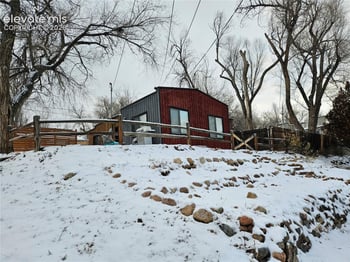
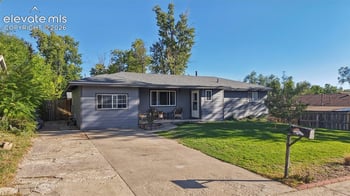
205 Everett Dr, Colorado Springs, CO 80911
MLS#: 2112286
.jpg)


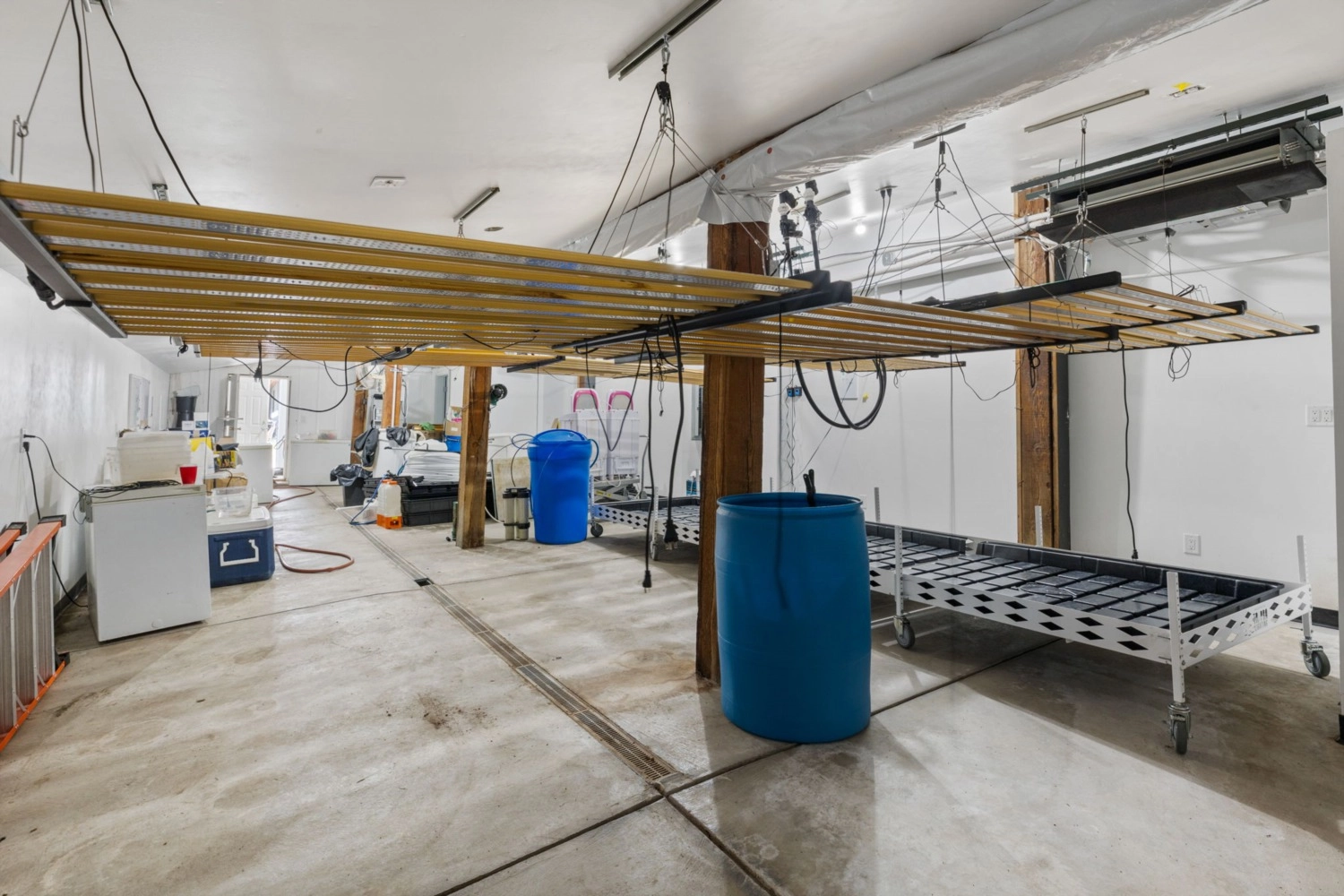
Colorado allows adults 21 and older to grow cannabis at home, but the state sets a hard plant limit, cities add their own rules on top of it, and landlords and HOAs keep separate legal authority to prohibit it entirely on their property. A homeowner, renter, landlord, or buyer on the Front Range needs to check all three layers, not just the state constitutional amendment that legalized it.
Under Colorado's home-grow rules, an adult can grow up to six cannabis plants, with no more than three flowering at once, and a single residence caps out at twelve plants total regardless of how many adults live there. That twelve-plant residence cap is the number that trips up households of three or more adults who each assume they get a full six-plant allowance; the household limit applies on top of the per-person limit, not in addition to it.
Yes. State law requires the plants to be grown in an enclosed, locked space that is not visible to the public from the street. This is not optional signage advice; it is the baseline legal requirement statewide, and it is the first thing a code enforcement officer checks if a neighbor files a complaint.
No. The state sets the floor, and cities and counties add their own layers on top. Denver enforces the enclosed and locked space requirement closely and requires larger medical grows above the personal-use plant count to register with the city. Colorado Springs opted out of licensed retail marijuana stores entirely, so there is no dispensary within city limits, but personal home cultivation at the state's plant limits is still governed by the state constitutional amendment, not the city's retail opt-out. A buyer or renter moving between Front Range cities should check the specific municipal code before assuming the rules travel with them.
No. Cannabis is still federally illegal, and Colorado landlords keep the legal right to prohibit growing, smoking, or storing it anywhere on the rental property, in the lease itself. Most Front Range property managers include a specific marijuana clause in the standard lease now precisely because state legalization did not remove a landlord's authority to restrict it on their own property.
Yes, in practice. Even where a lease does not mention cannabis directly, a landlord can issue a notice restricting it once the issue comes up, and a tenant who set up a grow before getting anything in writing risks a lease violation notice. Renters who want to grow at home should ask for the landlord's position in writing before buying equipment, not after.
Yes. Colorado law specifically permits homeowners associations to prohibit marijuana cultivation and use inside a common-interest community, even though growing it is legal under the state constitution. A buyer moving into an HOA-governed neighborhood on the Front Range, from a Highlands Ranch townhome to a Castle Rock subdivision, should read the covenants directly rather than assume state legalization overrides the HOA's own rules.
Personal home cultivation at the state's plant limits is treated as an accessory use inside a residential zone in most Front Range cities and does not require a separate zoning permit. Anything larger, including a caregiver grow serving multiple registered medical patients, crosses into commercial-scale cultivation and triggers a different set of zoning, licensing, and inspection requirements that vary by city and county.
Grow lights, ventilation fans, and dehumidifiers draw meaningfully more power than a typical spare bedroom, and an outlet or circuit not built for that load creates a real fire risk. A Front Range electrician can confirm whether a dedicated circuit is needed before a grow space goes in, which matters for both the household's protection and for what a future home inspector finds.
It frequently does. Inspectors look for humidity damage, mold on drywall or in ductwork, modified electrical panels, and patched holes from vent lines that ran to the roof or a window. None of these findings stop a sale on their own, but each one becomes a repair negotiation, and a buyer's lender adds a follow-up inspection on anything electrical before closing.
Colorado's seller disclosure form asks about known material defects, and electrical modifications, moisture damage, or mold tied to a former grow operation fall squarely inside that disclosure duty. A seller who fixes the underlying issues and discloses honestly avoids the larger risk: a buyer who finds undisclosed grow-related damage after closing has legal grounds to come back at the seller.
No. Home cultivation covers personal use and gifting to another adult 21 or older, with no payment involved. Selling cannabis without a state retail license is a criminal offense regardless of how it was grown, and a home grow does not create any exception to Colorado's licensing requirements for sales.
Ask for permits or receipts on any electrical upgrades, request the seller disclose whether the space was used for cultivation, and budget for a specialist inspection of the affected room if the standard inspection flags anything electrical or related to moisture. A grow tent and a few lights removed before listing do not remove the wiring or ventilation changes behind the drywall, so the physical structure matters more than what is staged in the room on showing day.
| Setting | Personal home grow allowed | Extra layer to check |
|---|---|---|
| Owned single-family home, no HOA | Yes, at state plant limits | City enclosed-space rule and electrical capacity |
| Owned home in an HOA community | Only if the covenants allow it | HOA rules can override state legalization |
| Rental unit | Only with landlord permission | Lease terms control regardless of state law |
| Condo or attached townhome | Depends on building and association rules | Shared ventilation and odor rules apply in most buildings |
State registered medical patients follow the same base personal-use limits as any adult 21 and older for home cultivation in most cases, though a patient with a documented extended-plant-count recommendation from a physician can apply through the state registry for a higher limit. That extended count still has to meet the same enclosed, locked space requirement as any other home grow.
Exceeding the state and municipal limits turns a legal personal grow into a criminal cultivation matter, with penalties that scale up sharply based on the plant count over the limit. This is a real line, not a formality, and it is the most common way an otherwise legal home grow turns into a legal problem for a Front Range homeowner.
Whether a homeowner is clearing out a grow room before listing or a buyer is weighing a house that already has one built in, the right first step is an honest conversation with a Front Range agent who has seen this before and knows what a lender, inspector, and title company will each want addressed. The preparing and adding value guide covers which pre-listing repairs are worth making, and the Smart Pricing Report prices the house against comparable Front Range sales once those repairs are done.
The Kenna Real Estate Group helps Front Range buyers and sellers work through the practical side of a home with a cannabis grow history, from what an inspection commonly flags to how to price and disclose it correctly. Call or text 303-955-4220. A live person answers. Not a robot, not a phone tree. Search every home for sale in Colorado to see what is on the market on the Front Range right now.
Questions about any home in Colorado? Call or text 303-955-4220. A live person answers.
Up to six plants per adult, no more than three flowering at once, with a household cap of twelve plants total no matter how many adults live there.
Yes. State law specifically allows homeowners associations to prohibit marijuana cultivation inside a common-interest community even though growing it is legal under the state constitution.
Yes. Landlords keep full legal authority to prohibit cannabis cultivation, smoking, or storage in a lease, and most Front Range rental agreements now include a specific clause covering it.
Yes, statewide. The plants must be in an enclosed, locked space that is not visible from the street, regardless of which Front Range city the home is in.
Electrical modifications, moisture damage, or mold connected to a former grow operation fall under Colorado's seller disclosure requirements for known material defects.
Colorado Springs opted out of retail marijuana stores, but personal home cultivation at the state's plant limits is still governed by the state constitutional amendment in both cities.
No. Home cultivation covers personal use and gifting to another adult with no payment involved. Selling it without a state retail license is a criminal offense.
Ask for permits or receipts on electrical upgrades, confirm whether the seller disclosed cultivation use, and get a specialist inspection if the standard inspection flags electrical or moisture issues.