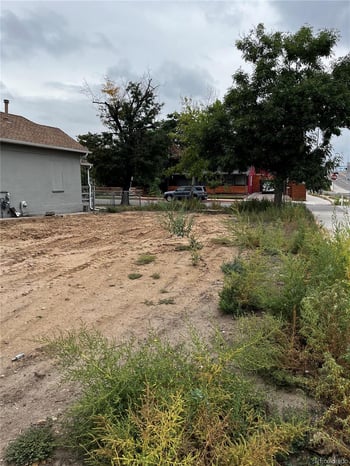
$169,000
Active
--
Beds
--
Baths
--
Sqft
0.07
Acres
2118 S Bannock St Lot 4, Denver, CO 80223
MLS#: REC2021146
.jpg)



A Colorado move goes smoothest with a written timeline broken into 6 weeks, 2 weeks, 3 days and moving-day tasks, plus a first-day box packed with what your household needs before the rest of the boxes get opened. Skipping the timeline is the single biggest reason Front Range moves run into last-minute scrambling. A written timeline also gives every household member a clear task list, which cuts the number of last-minute questions a mover or a closing coordinator has to field on the day itself. Share the timeline with everyone involved, including a spouse, roommate or older kids helping with the move, so the plan lives somewhere other than a single person's head.
Break your checklist into four windows, and assign an owner to each task rather than leaving the whole list to one person, since a Colorado move runs alongside a full-time job and a closing process that both demand attention the same week. Six weeks out: book movers, start decluttering, request time off. Four weeks out: start collecting boxes and order any specialty packing materials so you are not searching for supplies the week before the move. Two weeks out: confirm utility transfer dates, submit an HOA notice if required, start packing non-essentials. Three days out: pack the first-day box, confirm the moving crew's arrival window, empty the refrigerator. Moving day: walk the home before the truck leaves, do a final walkthrough of the new home, and change the furnace filter before your first night. Keep the inventory list from the six-week window on hand during the walkthrough so nothing gets left behind in a closet or garage corner.
Pack toiletries, a shower curtain and liner, phone chargers, a basic tool kit, bed linens, snacks and water, a change of clothes and any daily medication in one clearly marked box loaded last so it comes off the truck first. Seal it with packaging tapes rated to hold through a full day of handling rather than standard office tape, which fails on heavier boxes.
Start 6 weeks out for a standard local move, and 8 to 10 weeks out if your move falls in the busy spring-through-fall season, when Front Range moving companies and closing schedules both run at their busiest.
| Timeline | Tasks |
|---|---|
| 6 weeks out | Book movers, start decluttering, request time off work |
| 2 weeks out | Confirm utility transfer dates, submit HOA notice, pack non-essentials |
| 3 days out | Pack first-day box, confirm crew arrival window, empty the refrigerator |
| Moving day | Final walkthrough, change furnace filter, confirm water shutoff location |
Stock sturdy boxes in several sizes, packing paper or towels for padding, box cutters, permanent markers and reinforced tape. Wardrobe boxes are worth the extra cost for a Front Range move with more than a handful of hanging clothes, since they cut unpacking time dramatically compared with folding and reshelving everything from flat boxes. Dish-pack boxes with built-in cell dividers protect kitchenware far better than standard boxes wrapped in paper, and they are worth the extra cost for anything you would rather not replace. Keep the tape gun loaded and within reach the entire packing week rather than buried in a box, since a dull or missing tape dispenser slows down packing more than any other single supply gap. A moving company that also sells or rents supplies can save a separate errand, and asking your mover about supply bundles is worth doing when you book.
Underestimating how long a mountain-pass or I-25 corridor drive takes with a loaded truck, forgetting to schedule around a Front Range afternoon thunderstorm in summer, and failing to confirm the new home's water and gas are already on. Each one is avoidable with a checklist confirmed the week before, and calling the moving company two days ahead to confirm the crew size, arrival window and truck access removes most of the day-of surprises that turn a planned move into a stressful one.
Hire movers for anything beyond a studio or one-bedroom, especially with stairs or a narrow Denver-area driveway. A two-person crew handles a one-bedroom apartment in a single morning in most cases, while a full house needs a three- to four-person crew to finish loading, driving and unloading within a single working day. Confirm the crew size in writing when you book, since an under-staffed crew on move day either runs long into overtime hours or leaves items behind for a second trip. A rented truck saves money upfront but shifts the labor, insurance risk and driving in unfamiliar Front Range traffic onto you.
Transport pets and plants yourself rather than on the moving truck. Colorado's temperature swings can exceed 30 degrees in a single day, which stresses both pets left in a hot car and plants exposed to sudden cold in an unheated truck bed. Keep a pet's food, leash, water bowl and any medication in the same bag you carry yourself rather than a moving box, so a stressed animal has a familiar routine the moment you arrive.
Hail season runs from spring through September and afternoon thunderstorms are common on the Front Range in summer; winter moves risk sudden snow on I-70 mountain routes and icy driveways. Check the forecast the morning of your move and have tarps ready for anything staged outside. A Front Range summer afternoon storm can build within the hour with little warning, so plan to load weather-sensitive items like mattresses and electronics earlier in the day rather than leaving them for a late-afternoon slot on the truck.
Keep the truck loading ramp covered when possible, move upholstered furniture and electronics first during a break in the weather, and avoid staging boxes on a driveway or lawn during hail season without a tarp on hand.
Confirm water, gas and electric are active, test the furnace and any air conditioning, locate the water shutoff valve and breaker panel, and walk every room to check for damage before the moving crew leaves. Photograph any damage immediately with a timestamp before boxes and furniture cover it, since a claim filed the same day is easier to resolve with a mover than one filed after unpacking is finished.
The Kenna Real Estate Group hands every buyer a Colorado-specific move-in checklist at closing, from utility providers to HOA notice requirements. Call or text 303-955-4220. A live person answers. Not a robot, not a phone tree. Then search every home for sale in Colorado while you plan.
Ask for the printable checklist in the form below and we email it the same day.Questions about any home in Colorado? Call or text 303-955-4220. A live person answers.
Break it into four windows: 6 weeks out, 2 weeks out, 3 days out and moving day, with specific tasks assigned to each.
Toiletries, phone chargers, bed linens, a change of clothes, snacks and any daily medication, sealed and loaded last so it comes off the truck first.
8 to 10 weeks ahead for a move in the busy spring-through-fall season, when Front Range moving companies and closings both run at their busiest.
No, transport them yourself; Colorado's daily temperature swings can exceed 30 degrees and stress both in an unheated truck or hot car.
Hail and afternoon thunderstorms from spring through September, plus sudden snow on mountain routes in winter.
Confirm water, gas and electric are active, test the furnace, locate the shutoff valve and breaker panel, and walk every room for damage.