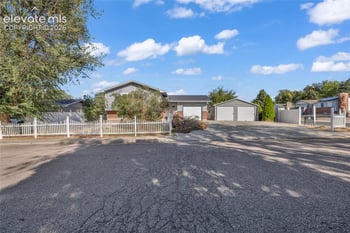
New - 2 Hours Ago

$545,000
Active
4
Beds
4
Baths
2668
Sqft
0.18
Acres
8004 Steward Ln, Colorado Springs, CO 80922
MLS#: 6156784
.jpg)



A handyman in Colorado can legally handle general repairs, carpentry, painting, and small fix-it jobs, but cannot pull an electrical or plumbing permit in most Front Range cities; that work needs a licensed electrician or plumber by law. Know that line before you hire, because a handyman doing licensed trade work without a permit puts your home's next sale and your insurance claim at risk.
A handyman can do drywall repair, painting, deck repair, fence work, caulking, door and window adjustment, furniture assembly, and minor carpentry. Electrical, gas line, and most plumbing work requires a state-licensed tradesperson in Colorado, and structural changes, like removing a load-bearing wall, require a licensed contractor and a permit through the city or county building department. If a job touches wiring, gas, or water lines, ask directly whether the person holds the specific trade license, not just general handyman experience.
Denver requires a contractor license for work above a set dollar threshold and for any work that needs a permit, including electrical, plumbing, mechanical, and structural changes. Small cosmetic repairs under that threshold do not require a city license in most cases. Requirements differ by city across the Front Range, so check with Aurora, Lakewood, Colorado Springs, or your specific city's building department before assuming a small job is exempt.
Most Front Range cities require a permit for new electrical circuits, panel upgrades, water heater replacement, and any gas line work, pulled by the licensed trade professional doing the job, not the homeowner. Skipping the permit saves time up front and creates two real problems later: an uninspected repair can fail during a home inspection when you sell, and a homeowners insurance claim tied to unpermitted work can be denied.
| Job type | Typical Front Range cost |
|---|---|
| Hourly rate | $50 – $100 an hour |
| Drywall patch and paint | $150 – $500 |
| Deck board repair | $300 – $1,200 |
| Door or window adjustment | $75 – $250 per unit |
| Fence panel repair | $200 – $800 |
Schedule roof, gutter, siding, and deck work outside hail season, which runs spring through September, so a storm does not undo the repair mid-project. Late fall, after the leaves drop and before the first hard freeze, is the strongest window for gutter cleaning, caulking, and exterior sealing ahead of winter. Interior work has no seasonal constraint and books faster in the winter off-season, frequently at a lower rate.
Most Front Range HOAs require an architectural review submission before any exterior change: paint color, fence style, deck modification, or a new exterior fixture. Submit the request before you schedule the handyman, since some HOA review committees meet monthly and a late submission can delay your project by weeks.
Avoid paying the full amount before work starts. A standard structure is a small deposit to cover materials, with the balance due on completion and sign-off. For a larger job with a licensed contractor, Colorado construction law limits how much can be collected up front relative to the total contract value; ask directly what state rules apply to your specific project size.
Put the scope of work, materials, total cost, payment schedule, start and completion dates, and cleanup responsibility in writing before work begins. A one-page agreement signed by both parties protects you if a dispute comes up over what was actually promised, and it gives you a paper trail for a homeowners insurance claim if the work is tied to storm damage repair. Keep a copy of every contract in the same file as your roof, furnace, and water heater records so the full maintenance history is in one place when you eventually sell.
Yes. General liability insurance covers damage to your home during the work, and workers' compensation, if the handyman has employees, covers an on-the-job injury so you are not exposed to a claim on your own homeowners policy. Ask for a certificate of insurance emailed directly from the insurer or agent, not a photo the contractor sends you, so you can confirm it is current and lists the correct coverage dates for your project window.
For any trade requiring a state license, electrical or plumbing, check the license number through the Colorado Division of Professions and Occupations before work starts, not after. For general liability insurance, call the insurance company or agent listed on the certificate directly to confirm the policy is active and covers the dates of your project, since a certificate alone can be outdated or altered. Ten minutes of verification avoids a claim dispute if something goes wrong mid-job.
A buyer's inspector or the city can flag unpermitted electrical, plumbing, or structural work during a sale, and that finding can stall closing until the work is either permitted retroactively or disclosed and priced into the offer. Retroactive permitting requires an inspection of work already covered by drywall or siding, which sometimes means opening a wall back up. Keep every receipt, contract, and permit record from work done on your home; a complete file speeds up disclosure and protects your negotiating position at resale, and it gives your agent a straightforward answer instead of a guess when a buyer's inspector asks about a repair's history.
The Kenna Real Estate Group keeps a list of vetted Front Range trades for sellers preparing a home and buyers tackling their first repair list. Call or text 303-955-4220. A live person answers. Not a robot, not a phone tree. Planning a move? Search every home for sale in Colorado.
Questions about any home in Colorado? Call or text 303-955-4220. A live person answers.
No. Electrical work requires a state-licensed electrician in Colorado. A handyman without that license cannot legally pull the required permit.
Denver requires a contractor license for work above a set dollar threshold and for anything needing a permit. Small cosmetic jobs under that threshold do not require one in most cases, but rules vary by city.
Expect $50 to $100 an hour, with material costs added separately depending on the job.
No. Pay a small deposit for materials and the balance on completion. Colorado construction law limits up-front collection on larger licensed contractor jobs.
Late fall, after leaves drop and before the first hard freeze, works well for gutters and exterior sealing. Schedule roof and siding work outside hail season, spring through September.
Most Front Range HOAs require an architectural review submission before any exterior change, including paint, fencing, and deck modifications.
Ask for a written estimate, proof of general liability insurance sent directly from the insurer, and confirmation of any required license for electrical, plumbing, or gas work.