New - 1 Hour Ago
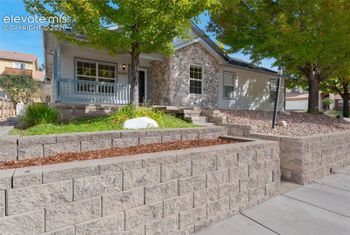
$574,900
Active
5
Beds
3
Baths
2722
Sqft
0.1669
Acres
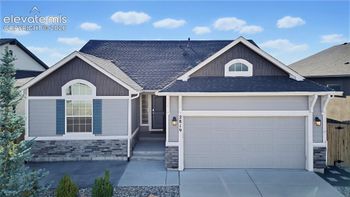
5603 Saddle Rock Rd, Colorado Springs, CO 80918
MLS#: 7594739
.jpg)



New construction on the Front Range is being wired for a different load than it was ten years ago: EV chargers, heat pumps, induction ranges and rooftop solar all draw more, and draw it differently, than the gas-heavy, lower-amperage homes builders wired through the 2010s. A buyer or seller looking at new construction in Denver, Aurora or Colorado Springs benefits from knowing what panel capacity, circuit planning and code compliance actually cost and what they enable.
Electrification is not a future trend anymore inside a new Front Range build; it is the default. Heat pump HVAC and water heating, induction cooktops, EV charging and battery-backed solar all pull from the panel instead of a gas line, and a home wired for that reality up front avoids a costly panel upgrade later. Industry report data points to the same shift nationally: electrical infrastructure, not just appliances, is the constraint builders now plan around first.
A dedicated 240-volt, 40 to 50 amp circuit run to the garage during framing costs $300 to $700 during the build versus $1,200 to $2,500 after the fact once walls and finished flooring are in place, a fraction of the retrofit cost saved by running it up front. Several Front Range jurisdictions now require or strongly encourage EV-ready wiring, meaning the circuit and a capped junction box, in new single-family construction, even where a charger itself is not installed at closing.
A solar-ready home has a panel with open breaker slots reserved, a roof structurally rated for panel weight and, in many cases, conduit already run from the roof to the electrical room, so adding rooftop solar later does not mean opening walls. Panel capacity is the number that determines how much of this a home can actually support: a 200-amp panel, now the standard minimum in new Front Range construction, has meaningfully more headroom for EV charging, electrification and solar than the 100 or 150-amp panels common in homes built before 2000.
| Panel Size | Typical Era | Headroom for EV + Electrification |
|---|---|---|
| 100 amp | Pre-1990s Front Range homes | Limited, needs an upgrade first in most cases |
| 150 amp | 1990s-2000s homes | Some headroom, case by case |
| 200 amp | Current new-construction standard | Comfortable for most EV and electrification plans |
Denver and most Front Range cities and counties adopt the National Electrical Code on a multi-year update cycle and layer local amendments on top, so the exact requirements differ by jurisdiction, which is why an electrician licensed and working regularly in the specific city or county matters more than a generic national license, since the amendment list changes how a rough-in is wired even when the base code edition is the same. New construction electrical work goes through rough-in and final inspections tied to the building permit; skipping or failing an inspection holds up the certificate of occupancy, which matters directly to a buyer's closing date on new construction. A buyer under contract on a home still finishing rough-in should ask the builder for the scheduled inspection dates in writing rather than a general estimate, since a failed rough-in inspection on a panel or circuit change can push a closing date by weeks while the correction is made and re-inspected.
Xcel Energy has been shifting Front Range customers onto time-of-use pricing, which charges more for electricity used during the late-afternoon and early-evening peak window, and a smart panel or load management system automatically shifts EV charging, water heating and battery discharge to cheaper off-peak hours without a homeowner tracking the clock manually. That automation is becoming a standard feature request in new construction electrical planning rather than an upgrade added after move-in.
A home wired with a subpanel dedicated to critical loads, refrigerator, sump pump, select outlets and the heat pump's backup circuit, is ready for a battery system to be added without a second electrical project down the line. That subpanel and the conduit run between it and where the battery will sit add a modest amount to the electrical budget during construction, well under what it costs to add the same infrastructure after the home is finished and the walls are closed. Front Range homeowners increasingly ask for this during the design phase specifically because winter storms occasionally knock out power along the Front Range for hours at a time.
Full electrical construction services for a new Front Range single-family home, including panel, rough-in wiring, fixtures and inspections, runs several percent of total construction cost, and the U.S. Department of Energy notes that 75 percent of U.S. buildings built or majorly renovated going forward will be shaped by the energy codes in place today, which is part of why the federal government has committed $225 million toward code implementation and efficiency support nationally, funding that flows in part to state and local code adoption work Colorado jurisdictions draw on. Framed against a total build budget, the electrical line item is small next to framing or foundation work, but it is one of the few systems that determines how much a Front Range home can adapt over the next twenty years without a major renovation.
Xcel Energy and the Colorado Energy Office both run rebate and incentive programs touching electrical work tied to heat pumps, EV charging and solar-plus-storage; program details and dollar amounts change year to year, so a builder or buyer should confirm current terms directly with Xcel Energy or the Colorado Energy Office rather than relying on a prior year's figures.
A newer Front Range home with a 200-amp panel and EV-ready wiring shows better to today's buyer than a comparable home still running 100-amp service and knob-and-tube or aluminum branch wiring, even if both pass a basic inspection. Aluminum branch wiring, installed in a portion of Front Range homes built in the 1960s and 1970s, is a specific item Colorado inspectors and insurers flag; a licensed electrician can evaluate whether the connections need pigtailing with copper-rated connectors rather than a full rewire. See what adds value before listing a Colorado home for how panel capacity and electrical upgrades factor into a listing's position.
Whether a buyer wants a new-construction Front Range home ready for an EV and solar, or a seller wants to know if an older electrical panel is holding back an offer, the Kenna Real Estate Group walks Colorado clients through what the panel and wiring actually mean for value. Call or text 303-955-4220. A live person answers. Not a robot, not a phone tree. Ready to look at homes instead? Search every home for sale in Colorado.
Questions about any home in Colorado? Call or text 303-955-4220. A live person answers.
Several Front Range jurisdictions require or encourage EV-ready circuits, a dedicated 240-volt run with a capped junction box, in new single-family construction.
200 amps is now the standard minimum in new construction, giving comfortable headroom for EV charging, electrification and future solar.
It is increasingly common: reserved breaker slots, a roof rated for panel weight, and pre-run conduit so solar goes in later without opening walls.
Yes. Running the circuit during framing costs roughly $300 to $700, while retrofitting it after drywall and flooring are in place runs $1,200 to $2,500.
Rough-in and final inspections tied to the building permit, both required before the certificate of occupancy is issued.
Yes. A smart panel or load management system can automatically shift EV charging and water heating to cheaper off-peak hours.
Xcel Energy and the Colorado Energy Office both run programs tied to heat pumps, EV charging and solar-plus-storage; confirm current terms directly since amounts change yearly.
A home still running 100-amp service compares poorly to newer construction with a 200-amp panel and EV-ready wiring, even when both pass a basic inspection.