.jpg)


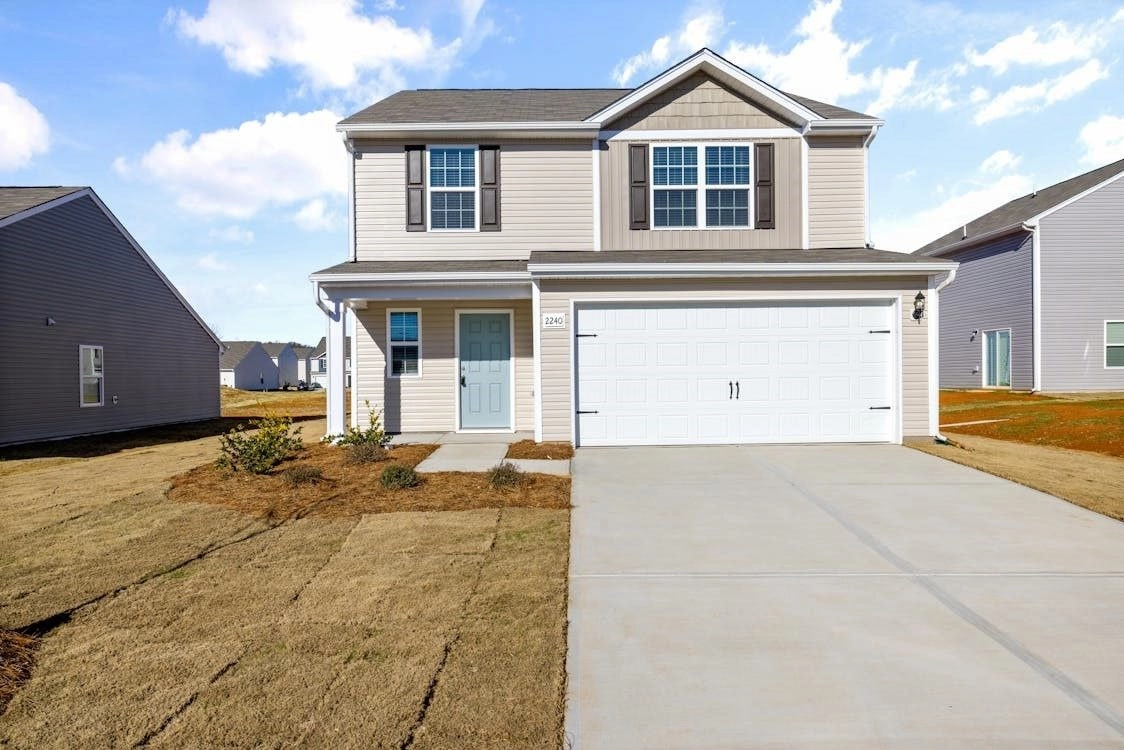
A garage door takes more UV, hail and temperature swing abuse than almost any other exterior surface on a Front Range home, since it is the largest moving part on the house and, on most homes built before current energy codes, the least insulated. An eco-friendly, insulated garage door cuts energy loss from an attached garage and holds up to Colorado's hail season better than a standard steel panel door.
Why an insulated garage door matters in Colorado
An attached garage without an insulated door loses heat straight through the largest opening in the house, and that heat loss pulls down the temperature of any room above or beside the garage. A garage door insulated to R-12 or higher keeps the garage itself, and the rooms next to it, closer to the rest of the home's temperature through Colorado's cold winter nights.
Does hail damage uninsulated garage doors
Hail season runs from spring through September on the Front Range, and a standard single-layer steel garage door dents under large hail, while a double-layer insulated door with a steel-foam-steel sandwich construction resists denting far better. Denting is mostly cosmetic, but repeated hail impacts on thin panels can throw off door alignment and stress the opener over time.
What a hail-rated garage door costs in Denver
A standard 16x7 insulated steel garage door runs $1,500 to $3,500 installed in the Denver metro; a Class 4 impact-rated door built to resist large hail without denting runs $2,500 to $5,500 depending on window inserts, panel style and insulation level.
What Class 4 impact rating means
Class 4 is the highest impact-resistance rating tested for garage doors, meaning the door resists denting and cracking from simulated large hail strikes without failing. Insurance carriers in hail-prone Front Range counties sometimes offer a premium discount for a Class 4 rated door and roof, so ask an insurance agent whether that discount applies before choosing a door.
Does an insulated garage door lower energy bills
Garages account for a meaningful share of heat loss in homes with living space directly above or beside them, and upgrading from an uninsulated door to an R-12 or higher insulated door reduces that loss measurably, especially paired with weatherstripping at the bottom seal and sides.
Do HOAs regulate garage door color and material
Most Front Range HOAs and metro districts require architectural approval before a garage door replacement, covering color, panel style and sometimes window placement, since the garage door makes up the largest visible surface on the front of the home in most floor plans. Submit the door spec sheet with the HOA application to avoid a rejected submission after the door is already ordered.
Which garage door materials handle freeze-thaw best
Steel doors with a factory-baked finish resist the chipping and rust that wood-composite and lower-grade steel doors show after repeated freeze-thaw cycles and mag chloride splash from winter roads. Real wood garage doors look distinctive but need more frequent sealing and touch-up in Colorado's dry, high-UV climate than steel or fiberglass options.
Does a garage door replacement need a permit
A straight door swap using an existing opening does not need a building permit in most Front Range jurisdictions; enlarging the opening, adding a header change, or converting a garage into living space does need a permit. Confirm with the local building department before framing changes begin.
How 40-degree daily swings affect garage door seals
Front Range days that swing 40 degrees stress the rubber weatherstripping at the bottom and sides of a garage door, and that seal hardens and cracks faster under repeated expansion and contraction than in a milder climate. Replacing worn weatherstripping every 3 to 5 years keeps the insulated door performing at its rated R-value.
Do eco-friendly garage doors use recycled materials
Several manufacturers now build garage doors with recycled steel content and polystyrene or polyurethane insulation cores rated for lower environmental impact than older foam formulations. RockGarageDoorRepair and comparable installers can source these options and explain the tradeoffs between insulation type, recycled content and cost; homeowners on the Front Range are free to use any licensed garage door installer.
What to do when a garage door spring breaks
A broken torsion spring is the most common garage door failure and is dangerous to replace without the right tools, since the spring holds significant tension. Professional broken spring repair services handle the spring replacement with the right tools and training; a Front Range homeowner should call a local licensed technician for this specific repair rather than attempt it alone, and this is one job where the same caution applies everywhere, not just in one service area.
What resale return a new garage door earns
A new insulated garage door is consistently one of the highest-return exterior upgrades on national cost-versus-value studies, and Front Range listing photos lean heavily on curb appeal, where an old, dented or mismatched garage door stands out immediately. The Preparing and Adding Value Before Selling guide covers where a garage door ranks against other exterior upgrades.
How long garage doors last in Colorado
A quality steel insulated garage door lasts 20 to 30 years structurally, but the opener, springs and weatherstripping need replacement on a shorter cycle, roughly every 10 to 15 years for the opener and every 3 to 5 years for weatherstripping given Colorado's temperature swings.
Matching a garage door to your home's exterior finish
HOA architectural committees on the Front Range increasingly ask for a garage door finish that reads as a coordinated part of the home's exterior rather than a plain panel, which has pushed carriage-house styling and wood-look steel finishes into wider use in Highlands Ranch, Castle Rock and Parker. A door style that matches the home's trim color and roofline reads better in listing photos than a stock white panel door.
Insurance considerations for hail-rated garage doors
Front Range homeowners filing repeated hail claims on dented garage doors should ask their insurance carrier whether a Class 4 impact-rated replacement changes the premium or the deductible on future wind and hail claims, since some carriers price that risk differently once the upgrade is documented on file.
Smart garage door openers and energy monitoring
A Wi-Fi-enabled opener paired with an insulated door lets a homeowner confirm the door closed after leaving for the day, which matters for keeping conditioned air inside an attached garage during Colorado's cold snaps. Some smart openers also log open-and-close times, useful for a household that wants to track whether a door was left open during a hailstorm.
What a home inspector checks on a garage door
A Colorado home inspector tests the auto-reverse sensor that stops the door on contact, checks for dents, rust and panel alignment, and notes whether the door is insulated in the inspection report. A garage door flagged for a broken sensor or a bent track during inspection is a common, inexpensive item to resolve during the objection period.
Where to go next
- Preparing and adding value before selling
- Choosing a new garage door in Denver
- Repairing garage door rust in Colorado
- Explore homes for sale in Aurora
- Explore homes for sale in Lakewood
- Talk to a Kenna Real Estate Group agent
Talk to the Kenna Real Estate Group
The Kenna Real Estate Group tells Front Range sellers whether a garage door upgrade is worth the cost before they list. Call or text 303-955-4220. A live person answers. Not a robot, not a phone tree. Search every home for sale in Colorado.
Homes for sale that match this post
- Homes with 2 Car Garage in Denver
- HOA Rules and Fees Guide in Denver
- Curb appeal: guide
- All homes for sale in Denver
Guides
Questions about any home in Colorado? Call or text 303-955-4220. A live person answers.