New - Just Now

$160,000
Active
2
Beds
2
Baths
908
Sqft
0.08
Acres
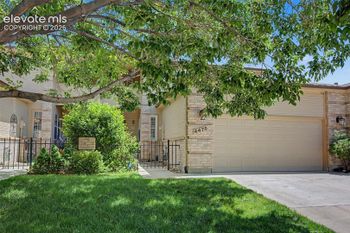
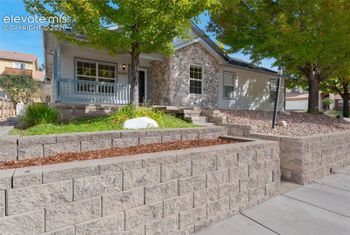
842 Tenderfoot Hill Rd #101, Colorado Springs, CO 80906
MLS#: 2679494
.jpg)



The maintenance issues that hurt a Front Range home's value most are rarely the ones on display. They sit behind walls, under floors and inside mechanical systems, and by the time they're visible, the repair costs more and the damage has already spread. Here's what to check, and what Colorado's climate and soil do to each one.
Small leaks behind walls, under sinks or beneath flooring can run for months before they're visible, gradually causing structural damage and mold growth that lower a home's condition without a single obvious sign. Water damage spreads beyond its source, and a buyer's inspector finding it during a sale raises repair costs and buyer confidence at the same time it lowers your negotiating position. Homeowners dealing with a suspected leak or drainage problem can find licensed help through Prime Plumbing & Drains, which works on the plumbing and drainage systems that affect a property's long-term condition; you are free to use any licensed plumber for the work.
An effective drainage system keeps water moving away from the foundation instead of pooling against it, and on the Front Range that matters more than in most markets because of the expansive bentonite clay soil under much of the region. When water isn't directed away correctly, moisture builds up around the foundation and contributes to the same soil movement that cracks slabs and sticks doors over time. Poor drainage also erodes landscaping and damages a basement's finished space, so a regular inspection of grading, downspouts and window wells matters as much as any interior maintenance item.
Roof problems aren't always visible from the ground, and on the Front Range, hail season — spring through September — is when most of that damage happens. Even a small area of damaged shingle lets moisture into the attic, where it can go unnoticed until real deterioration has taken place. Have your attic inspected for leaks, mold or inadequate ventilation after any significant hailstorm, and address roof damage before the next storm season rather than waiting for a leak to show up on the ceiling below. Keep the roofing contractor's inspection report and any repair invoices on file; that paperwork is exactly what a buyer wants to see when hail damage comes up during a sale.
A poorly maintained heating and cooling system runs less efficiently and breaks down more, which shows up to a buyer as a maintenance red flag during a showing. Colorado's elevation adds a wrinkle most homeowners don't know about: gas-fired furnaces and water heaters rated for sea level lose output at 5,280 feet, and code requires a 4% input reduction for every 1,000 feet above 2,000 feet unless the unit is certified for high-altitude use. A properly maintained, altitude-correct system demonstrates responsible ownership; a neglected one raises concerns about future expense the moment a buyer's inspector opens the mechanical room.
Foundation issues develop gradually on the Front Range because of the same expansive clay soil that drives drainage problems — it swells when wet and shrinks when dry, and that repeated movement is what turns into small cracks, uneven floors and doors that stop closing correctly. Some minor movement is normal on this soil type; a significant shift affecting the structural performance of the building is not. Routine inspection catches the difference early and keeps a manageable repair from becoming an expensive one.
Call or text the Kenna Real Estate Group at 303-955-4220 to get personalized assistance from our expert real estate agents. Find out what your home is worth in today's market with a Smart Pricing Report.
Excess moisture creates conditions for mold growth and poor indoor air quality, affecting both the home's physical structure and the comfort of the people living in it. Mold findings raise red flags for buyers during an inspection more than almost any other issue on this list. Moisture enters through roof leaks, plumbing problems, foundation cracks, poor drainage and inadequate ventilation, so regular inspection of these vulnerable areas catches problems before they escalate into a disclosure issue at sale.
Electrical systems age, and older Front Range homes carry wiring that wasn't sized for today's household load in many cases — central air, multiple bathroom exhaust fans, home offices and a growing list of connected appliances. Outdated wiring, overloaded circuits and neglected panels create real fire risk and lower a property's appeal at the same time. A licensed electrician has to handle any panel upgrade or new circuit work in Denver, Aurora, Lakewood, Littleton, Colorado Springs and Fort Collins — each city licenses electrical contractors separately since Colorado has no statewide general contractor license. Denver's 2022 energy code also pushes major electrical work toward electrification-ready wiring, and Xcel Energy runs rebate programs for qualifying panel upgrades, so check current rebate amounts before your electrician finalizes the scope.
Addressing small concerns before they become major problems reduces repair costs and keeps a home's condition from becoming a negotiating point during a sale. Consistent inspections and documented repairs create a record of responsible ownership that buyers respond to, and Colorado's Seller's Property Disclosure form will ask directly about known issues with the roof, foundation, plumbing and electrical systems — disclosing them accurately protects you during the inspection objection period far more than hoping they go unnoticed. A Smart Pricing Report from the Kenna Real Estate Group shows how deferred maintenance affects your list price before a buyer's inspector finds it for you.
A 1950s Denver bungalow, a 1990s Aurora ranch and a newer Highlands Ranch build carry different versions of the same six issues. Older bungalows lean toward outdated electrical panels and cast iron waste lines; 1990s-era homes on the Front Range's expanding suburbs show foundation movement tied to the clay soil under Aurora, Lakewood and Littleton more than any other issue on this list; newer builds in Highlands Ranch and Parker rarely have outdated wiring but can still carry an undersized HVAC system that hasn't been checked against Colorado's altitude requirements. Match your inspection priorities to your home's age and location rather than working from a generic checklist, and pull permit history from your city's building department before you assume a past owner's repair was done correctly.
The Kenna Real Estate Group helps Front Range owners understand which maintenance issues actually move the needle on value and connects sellers with the right documentation before a buyer's inspector asks for it. Call or text 303-955-4220. A live person answers. Not a robot, not a phone tree. Ready to see what's on the market? Search every home for sale in Colorado.
Questions about any home in Colorado? Call or text 303-955-4220. A live person answers.
Foundation movement tied to expansive clay soil and hidden plumbing leaks tend to cause the most damage before they're visible, since both can run for months before a homeowner notices.
Yes. Gas-fired furnaces and water heaters rated for sea level lose output at 5,280 feet and need a Colorado-rated model or professional derating.
Yes. Denver and every other Front Range city require a licensed electrician and a permit for panel upgrades and new circuit work.
Xcel Energy runs rebate programs for qualifying panel upgrades, insulation and high-efficiency HVAC equipment. Check current amounts before your contractor finalizes the scope.
Yes. Colorado's Seller's Property Disclosure form asks directly about known issues with the roof, foundation, plumbing and electrical systems.
Hail season runs from spring through September and is when most Front Range roof damage happens. Inspect the attic and roof after any significant storm.