New - Just Now
$370,000
Active
3
Beds
3
Baths
1297
Sqft
--
Acres
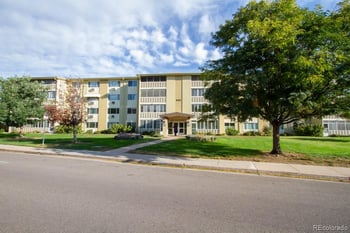
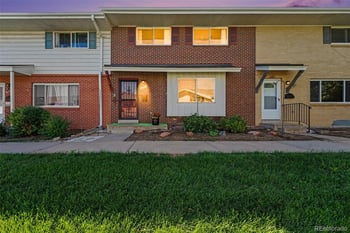
8481 W Union Ave #201, Denver, CO 80123
MLS#: RECIR1070125
.jpg)


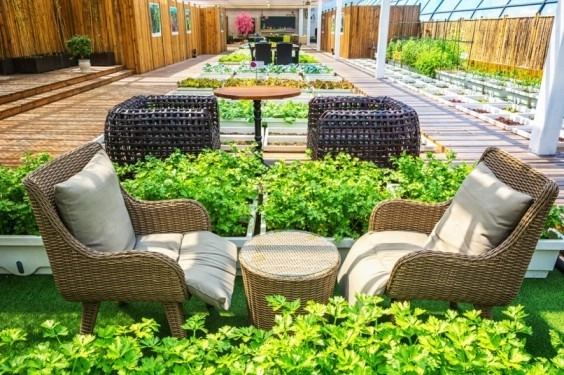
An outdoor living space on the Front Range earns its keep almost 300 sunny days a year, but Colorado's hail, UV intensity and freeze-thaw cycles narrow the list of materials and designs that hold up. A builder who designs specifically for this climate, not a generic outdoor living template, saves a homeowner from a patio cover or deck that needs major repair within a few seasons.
A basic patio with a paver surface and simple seating area runs $8,000 to $18,000 on the Front Range; adding a covered structure, built-in kitchen or fireplace pushes the total to $25,000 to $60,000 or more depending on materials and square footage. Design and permitting add $1,500 to $5,000 on top of construction for a full-service outdoor living builder.
Concrete pavers set on a properly compacted base handle Colorado's freeze-thaw cycles far better than poured concrete slabs, which crack when expansive soil beneath them shifts with moisture changes. Natural stone and high-density pavers rated for freeze-thaw resist the surface flaking that lower-grade concrete products show within a few winters.
Hail season runs from spring through September on the Front Range, and unrated aluminum panels, standard asphalt shingles on a patio roof, and thin polycarbonate panels dent or crack under large hail. A patio cover built with impact-rated roofing material, matched to the same class used on the main house roof, holds up to the same storms without separate repairs every year.
Most Front Range HOAs and metro districts require an architectural review submission before a new patio cover, pergola, deck or outdoor kitchen goes in, even when the structure sits entirely in a private backyard. Submissions need a site plan, material list and, in some communities, a color sample; skipping this step risks a stop-work order partway through construction.
A covered patio structure, an outdoor kitchen with gas or electrical lines, and any structure with a footing or foundation need a building permit from the city or county in most jurisdictions, separate from HOA approval. An open, uncovered paver patio at grade does not need a building permit in most cases, but always confirm with the local jurisdiction before construction starts, since rules vary by city.
A landscaper focuses on plantings, irrigation and grading; an outdoor living builder designs and constructs the hardscape, structures and utility connections, including footings, electrical and gas lines, and coordinates directly with permitting offices on most projects. Projects with a covered structure, kitchen or fireplace need a builder with construction licensing, not just landscaping experience. Stilus Design and Construction is one example of a firm that designs outdoor living spaces around a home's architecture rather than a standard template; homeowners on the Front Range are free to use any licensed outdoor living builder local to Colorado.
Fixed pergolas with a solid or louvered roof block far more UV than an open lattice pergola, which matters given the intensity of sun at 5,280 feet. Retractable awnings rated for wind loads common on the Front Range give flexibility for shade without blocking winter sun once retracted.
Standard outdoor fabric fades and breaks down within a season or two under Front Range UV exposure; fiber-dyed acrylic fabric rated for high-UV climates holds color for 5 years or more in the same conditions. Cushions and umbrellas stored during hail season last longer than pieces left exposed to storm impact.
A well-built patio or outdoor living area returns roughly 50% to 70% of its cost at resale on the Front Range, with covered structures and outdoor kitchens landing at the higher end when built with durable, climate-appropriate materials. The Preparing and Adding Value Before Selling guide breaks down which outdoor upgrades buyers respond to most in showings.
A simple paver patio takes 1 to 3 weeks from start to finish; a covered structure with electrical and gas lines runs 6 to 10 weeks including permit review, longer if the jurisdiction has a permitting backlog during peak building season.
Any structure with footings, posts set in concrete, or a roof load-bearing on the home itself needs a building permit that reviews the foundation design in most Front Range jurisdictions. A builder pulls this permit as part of the project scope; a homeowner hiring an unlicensed crew should confirm who is responsible for permitting before signing a contract.
Low humidity and intense UV dry out wood decking faster than in humid climates, leading to checking, splintering and finish breakdown within 2 to 3 years without regular sealing. Composite decking rated for high-UV climates avoids that maintenance cycle and holds up better through repeated freeze-thaw seasons.
An outdoor kitchen with a built-in grill, gas line and counter space runs $12,000 to $35,000 on the Front Range depending on appliance grade and finish materials, and a gas fireplace or fire pit feature adds $3,000 to $10,000. Both extend the outdoor living season into shoulder-season evenings when a Front Range temperature swing puts a chill on an otherwise sunny day.
Confirm whether the quoted price includes HOA submission paperwork, permit fees, and freeze-thaw-rated materials by name, not just a generic material category. Ask for the specific paver, decking or roofing product line so a homeowner checks the warranty terms and hail rating directly with the manufacturer before construction starts.
A patio or hardscape project needs grading that moves water away from the home's foundation, not toward it, which matters on Front Range lots built on expansive clay soil that already moves with seasonal moisture changes. A builder who coordinates the hardscape grading with existing yard drainage avoids creating a new moisture problem against the foundation wall.
Scheduling structural work, including roof framing on a covered patio, outside of peak hail season reduces the odds of storm damage to exposed materials mid-project. Many Front Range builders book installation for late summer through fall specifically to finish covered structures before the next spring's storms begin.
The Kenna Real Estate Group helps Front Range owners weigh outdoor living upgrades against what buyers actually pay for at resale. Call or text 303-955-4220. A live person answers. Not a robot, not a phone tree. Search every home for sale in Colorado.
Questions about any home in Colorado? Call or text 303-955-4220. A live person answers.
A basic patio runs $8,000 to $18,000; a covered structure with a kitchen or fireplace runs $25,000 to $60,000 or more.
Concrete pavers on a properly compacted base and freeze-thaw-rated stone hold up better than poured concrete slabs, which crack with expansive soil movement.
Unrated panels and standard roofing on a patio cover dent or crack in hail; impact-rated roofing material matched to the main house holds up better.
Most Front Range HOAs and metro districts require an architectural review submission before a patio cover, deck or outdoor kitchen goes in.
Structures with footings, gas lines or electrical connections need a city or county building permit in most jurisdictions, separate from HOA approval.
A well-built patio or outdoor living area returns roughly 50% to 70% of its cost at resale on the Front Range.
A simple paver patio takes 1 to 3 weeks; a covered structure with utilities runs 6 to 10 weeks including permit review.
Standard fabric fades within a season or two; fiber-dyed acrylic fabric rated for high-UV climates holds color for 5 years or more.