.jpg)


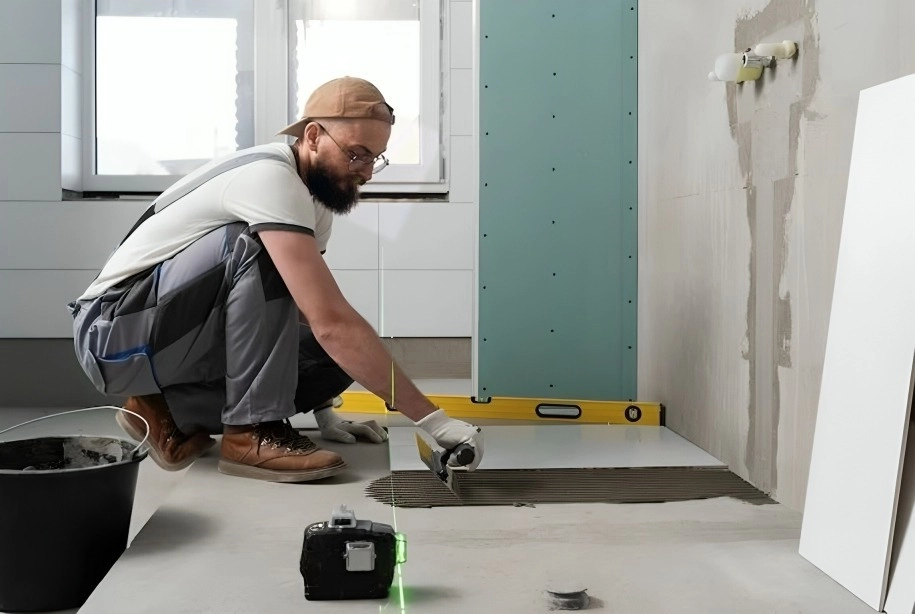
A properly insulated basement on the Front Range cuts heating costs, controls moisture and adds finished square footage that counts toward resale value, but a basement finished without the right insulation, a radon test and the correct permit turns into a repair list at the next sale. Denver metro homeowners who plan the insulation, moisture control and permit steps together avoid the most common and most expensive basement mistakes.
What R-value a Colorado basement needs
Front Range building codes call for basement wall insulation in the R-10 to R-15 range for continuous rigid foam, or R-13 to R-21 for cavity insulation between studs, depending on the wall assembly and the jurisdiction's current energy code. A licensed contractor confirms the exact R-value required for the specific city or county before framing begins.
How expansive soil affects basement walls
Much of the Front Range sits on expansive bentonite clay soil that swells when wet and shrinks when dry, and that movement puts pressure on basement foundation walls over time. Insulation and framing systems that hold moisture against the concrete make wall movement and cracking worse, so a basement renovation plan should include a drainage check before insulation goes in, not after a crack shows up.
Why radon testing comes before insulation, not after
Colorado has some of the highest radon levels in the country, and a basement renovation is the point where a homeowner should test, because finishing walls and floors without addressing radon traps the gas behind new drywall. A radon test costs $15 to $30 for a short-term kit or $100 to $200 for continuous monitoring, and mitigation systems run $800 to $1,500 installed if the test reads above the EPA action level.
How much a Colorado basement insulation project costs
Insulating and finishing a basement runs $25 to $50 per square foot on the Front Range for framing, insulation, drywall and basic finishes, so a 900 sq ft basement lands between $22,500 and $45,000 depending on moisture control, egress windows and whether the project adds a bathroom. Insulation alone, without finishing, runs $2 to $5 per square foot of wall area.
Does Denver or your county require a permit for a finished basement
Denver and every Front Range county require a building permit for a basement finish that adds insulation, framing, electrical or an egress window, and most require a separate electrical permit if outlets or lighting circuits change. Working without a permit creates a disclosure problem at resale, since Colorado's seller disclosure form asks whether work was done with permits, and an unpermitted basement finish can delay or kill a sale during the buyer's inspection period.
Does a finished basement need an egress window
Any basement bedroom in Colorado needs an egress window that meets minimum size and sill-height requirements, and most jurisdictions require an egress window for any habitable basement room even without a bedroom label. Adding an egress window during the insulation phase, before drywall goes up, costs less than cutting one in after the room is finished.
Which insulation type handles a damp Front Range basement best
Closed-cell spray foam and rigid foam board resist moisture better than fiberglass batts against a below-grade concrete wall, which matters on the Front Range where clay soil and seasonal groundwater push moisture through foundation walls. Fiberglass batts against an uninsulated, unsealed wall trap moisture and grow mold within a season in a damp basement.
What payback period basement insulation has
Basement insulation on a 900 sq ft space pays back in energy savings within 5 to 8 years on the Front Range, faster in a basement that previously had cold floors above it and forced-air ductwork running through the space. The larger return comes from finished square footage at resale, not the utility savings alone.
Does Xcel Energy offer a rebate for basement insulation
Xcel Energy runs seasonal rebate programs for insulation and air sealing on Colorado homes; rebate amounts and eligible insulation types change year to year, so check the current program details directly with Xcel Energy or a contractor who pulls the current rebate list before budgeting one into the project.
How a finished, insulated basement affects resale value
Appraisers count finished, permitted basement square footage differently than unfinished space, and a properly insulated, permitted basement returns 50% to 75% of its cost at resale on the Front Range, more in neighborhoods where finished basements are the norm. An unpermitted finish, by contrast, gets valued as unfinished space in 9 out of 10 appraisals and creates a disclosure question. The Preparing and Adding Value Before Selling guide covers how appraisers treat below-grade space.
Does HOA approval apply to a basement remodel
Most Front Range HOAs do not regulate interior basement work since it is not visible from the street, but any project that adds an exterior egress window well needs HOA notice or approval in most Front Range communities. Check the HOA's architectural review rules before digging a window well.
How long a basement insulation and finish project takes
A full basement insulation and finish project runs 6 to 12 weeks on the Front Range from permit approval to final inspection, with permit review adding 2 to 6 weeks depending on the jurisdiction's current backlog.
Selling a home with an unpermitted basement finish
Colorado's seller disclosure form asks directly whether basement work was permitted, and a buyer's inspector who finds signs of a basement finish without a permit on file flags it during the inspection objection period. Sellers with an unpermitted finish should get a retroactive permit before listing when the jurisdiction allows it, or price the disclosure into the listing.
Does basement insulation reduce radon exposure
Insulation alone does not mitigate radon; a sealed vapor barrier and a properly designed sub-slab depressurization system handle that separately. Framing and insulating a basement wall over an unsealed foundation crack can trap radon behind new drywall instead of reducing it, so a radon mitigation system, when the test calls for one, should go in before or during the insulation phase, not after.
What the Denver and county permit review process looks like
A Front Range basement permit application needs a floor plan showing the new layout in most jurisdictions, an egress window detail if a bedroom is added, and an electrical plan if outlets or lighting change. Denver and most surrounding counties review residential basement permits within 2 to 4 weeks in a normal cycle, longer during a spring building rush, and a final inspection closes out the permit once framing, insulation, electrical and drywall pass.
Why dry Front Range winters change the insulation approach
Colorado's dry winter air pulls moisture out of framing lumber faster than a humid climate would, which reduces the risk of trapped moisture behind insulation compared to basements in the Midwest or Southeast. That does not remove the need for a vapor barrier against the concrete itself, since groundwater and clay soil moisture reach the foundation wall regardless of how dry the air above grade stays.
Where to go next
- Preparing and adding value before selling
- The Colorado Home Seller's Guide
- Denver house hacking guide
- Explore homes for sale in Denver
- Front Range market reports
- Talk to a Kenna Real Estate Group agent
Talk to the Kenna Real Estate Group
The Kenna Real Estate Group walks Front Range owners through what a permitted, insulated basement adds to resale value before they spend on the remodel. Call or text 303-955-4220. A live person answers. Not a robot, not a phone tree. Search every home for sale in Colorado.
Homes for sale that match this post
Guides
Questions about any home in Colorado? Call or text 303-955-4220. A live person answers.