.jpg)


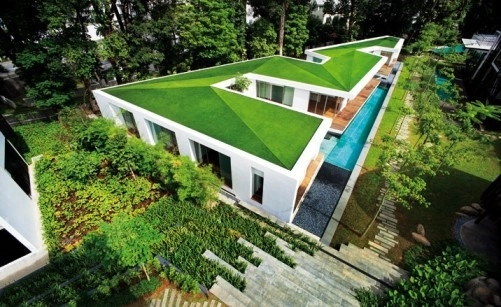
Artificial turf roofs, most commonly rooftop decks and patios finished in synthetic turf rather than pavers or bare membrane, are showing up on Denver-area condo buildings, townhome rooftop decks, and flat-roof additions where usable outdoor space sits above living space. The tradeoffs are different at altitude than they are at sea level.
What is an artificial turf roof and where is it used in Colorado?
Most Front Range examples aren't a full grass-covered roof over a house; they're a rooftop deck or patio finished with synthetic turf instead of pavers or exposed membrane. LoDo and downtown Denver condo rooftop amenity decks, townhome roof decks in newer infill developments, and flat-roof home additions are the three places it shows up most.
Advantages of artificial turf roofs
A turf-finished rooftop deck gives a lush, consistent appearance without irrigation, mowing, or the soil weight a true living roof requires. It also softens a hard rooftop surface underfoot compared to concrete pavers, which matters for a rooftop amenity space that gets daily foot traffic. Learn more about how artificial turf roofs are engineered for rooftop use specifically; you are free to use any licensed turf or roofing installer.
Does an artificial turf roof deck need HOA or condo association approval?
Almost always. Rooftop deck modifications go through architectural review at most Front Range condo and HOA associations, and many require a licensed structural engineer's sign-off before installation begins, not just a design approval. Submit the load calculation along with the design plan to avoid a rework after materials arrive.
Does snow load affect a rooftop turf deck on the Front Range?
Yes, and this is the biggest structural question on the list. A roof deck built to carry turf, drainage matting, pavers, and furniture needs to be engineered for both that added dead load and the Front Range snow load stacking on top of it during a heavy winter storm. Confirm the structural rating with an engineer before installation, not just the turf installer's estimate.
How does UV at altitude affect artificial turf lifespan?
UV exposure at 5,280 feet runs stronger than at sea level, and it fades color and breaks down the fiber backing on synthetic turf faster than in milder climates. Look for a UV-stabilized product specifically rated for high-altitude or desert-intensity sun rather than a standard residential lawn product, and expect to see visible fading sooner on a west- or south-facing rooftop than on a shaded ground-level yard.
Practical benefits: insulation and heat effects
Turf roofing systems add a layer of insulation over the underlying membrane, which can reduce heat transfer into the space below and soften the urban heat island effect a bare black membrane roof otherwise contributes to. That benefit comes with a tradeoff worth knowing before installation.
Does artificial turf get too hot in direct Colorado sun?
Yes, more than natural grass. Synthetic turf surfaces can run significantly hotter than the surrounding air temperature under direct summer sun, which matters more on an exposed rooftop deck than in a shaded ground-level yard. Products with lighter-colored fiber and infill designed to reduce heat retention perform better on a south- or west-facing installation.
Does rooftop turf need special drainage in a hail-prone climate?
Yes. A rooftop turf system needs a drainage layer underneath that moves water to the roof's existing drains quickly, since standing water under turf on a flat or low-slope roof leads to membrane damage and leaks into the unit below. Confirm the drainage design handles a Front Range summer downpour, not just routine irrigation runoff, since it doesn't get natural absorption the way ground-level turf does.
Is artificial turf roofing fire-rated for wildfire-adjacent areas?
Fire rating varies by product, and homes or buildings in wildfire-adjacent zones along the foothills and western metro should confirm the specific turf product's fire classification with the local fire authority before installation, since not every synthetic turf product carries the same rating.
What does an artificial turf roof deck cost installed?
Rooftop turf installation runs $12 to $25 per square foot on the Front Range, including drainage matting, edge detailing, and structural prep, higher than ground-level turf installation because of the added drainage and load-bearing work involved.
How is artificial turf roofing maintained through a Colorado winter?
Clear heavy snow accumulation to keep it below the structural design load, and rinse debris and de-icing residue off the surface periodically since standing meltwater sitting on turf longer than ground-level installations can accelerate backing wear.
Does a rooftop deck with turf affect a condo's resale value?
A well-built, properly approved rooftop deck adds real amenity value in dense Front Range submarkets where outdoor space is limited, and buyers notice the difference between a professionally engineered installation and a DIY job. See how outdoor amenity space compares to other upgrades in How Artificial Turf Enhances Curb Appeal and Boosts Property Value.
What structural load does a roof deck need to carry turf and pavers?
Turf, drainage matting, edge pavers, furniture, and people together add a meaningful live and dead load that most original roof structures weren't designed to carry. A structural engineer's assessment before installation is the only reliable way to confirm the existing deck or roof framing handles the added weight plus Front Range snow load without reinforcement.
Does Denver require a permit for a rooftop deck conversion?
Yes, in most cases. Converting a flat roof or adding a usable rooftop deck requires a building permit in Denver and most Front Range jurisdictions, especially when guardrails, structural reinforcement, or a change of use is involved. Confirm with the local building department before finalizing a design.
Does a rooftop turf deck lower cooling costs the way a living roof does?
Artificial turf over a proper drainage layer reduces some heat transfer compared to bare dark membrane, but it doesn't match the cooling performance of a true vegetated living roof with soil and plant transpiration. Treat it as a moderate improvement over exposed membrane rather than a full living-roof replacement.
How long does artificial turf last on a rooftop installation?
Quality UV-stabilized rooftop turf products run 15 to 20 years under normal Front Range sun exposure, though heavy foot traffic amenity decks on the sunniest exposures can see fiber wear and color fade toward the shorter end of that range.
Where to go next
- Boost Your Home's Curb Appeal and Value with Modern Artificial Grass
- Exterior Home Improvements That Boost Curb Appeal and Value
- Preparing and Adding Value Before Selling
- Colorado Condos for Sale
- Kenna Real Estate Group Agents
- Search every home for sale in Colorado
Talk to the Kenna Real Estate Group
The Kenna Real Estate Group can tell you how a rooftop deck or amenity space actually shows up in comparable sales for your specific Front Range condo or townhome building. Ask for the printable pre-listing checklist in the form below and we email it the same day. Call or text 303-955-4220. A live person answers. Not a robot, not a phone tree. Ready to compare homes with rooftop outdoor space on today's market? Search every home for sale in Colorado.
Homes for sale that match this post
Guides
Questions about any home in Colorado? Call or text 303-955-4220. A live person answers.