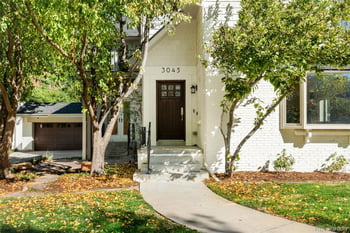
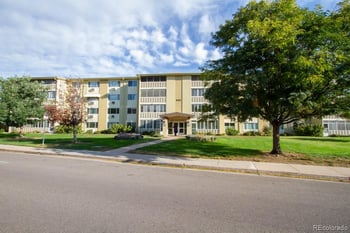
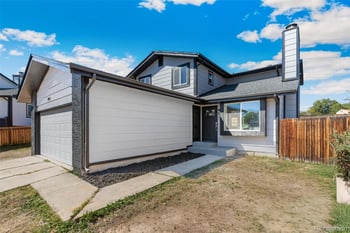
New - Just Now
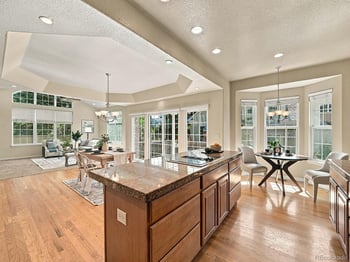
$800,000
Active
3
Beds
4
Baths
3600
Sqft
0.06
Acres
4545 S Monaco St #148, Denver, CO 80237
MLS#: REC7773248
.jpg)


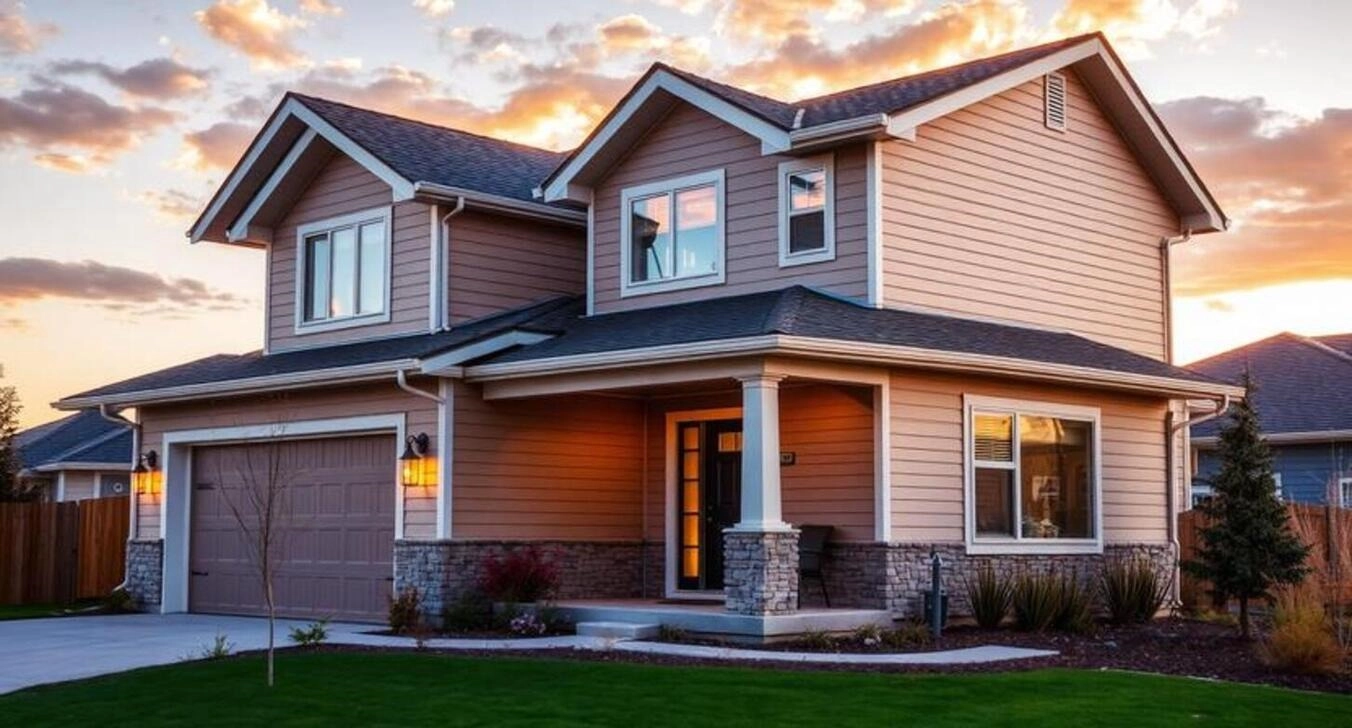
Two homes built the same year on the same Front Range street can look 20 years apart by their second decade. The gap comes down to five things: the roofing and siding material, how fast water moves away from the foundation, how many years pass between repaints, how the clay soil under the slab behaves, and whether small repairs happened on schedule instead of after a leak.
A Front Range home takes hail, intense high-altitude UV, wide day-to-night temperature swings, dry air, and expansive clay soil, sometimes in the same week. Coastal and Midwest homes face one or two of these stresses; a Denver-area house faces all five, which is why exterior maintenance on the same schedule as a milder state leaves a Colorado home behind.
Front Range hail season runs from spring through September, with the heaviest storm activity concentrated in the warmer months. A single severe storm dents metal fixtures, cracks vinyl siding, and knocks granules off asphalt shingles, which shortens the roof's remaining life even when there is no active leak yet. Homes with a Class 4 impact-resistant roof come through a hailstorm with less damage than a standard shingle roof, and several Colorado insurers offer a premium discount for installing one.
Denver sits at 5,280 feet, where UV exposure runs stronger than at sea level and the air holds less moisture. Exterior paint fades and chalks faster here, and wood trim and caulking dry out and crack ahead of schedule. A UV-rated exterior paint and a repaint cycle closer to every 5 to 7 years, instead of stretching to 10, keeps the wood and the paint film from failing at the same time.
Much of the Denver metro sits on bentonite clay, which swells when it gets wet and shrinks when it dries out. That movement under a foundation shows up as stucco cracks, sticking doors, and gaps between siding panels and trim. Keeping the soil moisture around a foundation steady, rather than soaked in one spot and bone-dry in another, does more to prevent these cracks than any exterior product.
| Material | Front Range Lifespan | Main Threat |
|---|---|---|
| Standard asphalt shingles | 12 to 18 years | Hail impact and UV breakdown |
| Class 4 impact-resistant shingles | 25 to 30 years | Still fades in UV; hail-resistant |
| Standing-seam metal roofing | 40 to 50 years | Dents in large hail; otherwise durable |
| Fiber cement siding | 30 to 50 years | Low UV and moisture damage |
| Vinyl siding | 20 to 30 years | Cracks in hard cold; fades in UV |
| Painted wood siding | 15 to 25 years with upkeep | Needs repainting every 5 to 7 years |
Replace a roof or siding section when the repair cost runs above 40% of full replacement, since a patch job on an already-aging surface rarely buys more than a few years. Before signing a contract for a full tear-off, a homeowner benefits from the same checklist a professional roofing and siding inspection follows anywhere in the country: flashing condition, underlayment, drip edge, and the state of the decking underneath, not just the shingle color on top.
Colorado's winter road treatment splashes mag chloride onto lower siding, garage doors, and metal trim on homes near a busy street. Left to dry, it corrodes untreated metal and leaves a residue that breaks down paint faster. Rinsing the lower few feet of siding and any exposed metal after a treated-road winter storm keeps that residue from sitting through the freeze-thaw cycle.
Grading that slopes away from the foundation, combined with gutter extensions that carry water at least 4 to 6 feet from the house, keeps clay soil moisture even around the slab instead of swelling on one side. Water that sits against a foundation or seeps into a crawlspace also raises the odds of interior moisture problems; the EPA's guide to mold and moisture covers what indoor moisture does once it gets past the exterior.
Many Denver-metro HOAs and metro districts run an architectural review committee that approves exterior paint colors, siding materials, and roof replacement products before work starts. A homeowner planning a repaint or a re-roof should pull the community's approved color and material list first, since an unapproved change can trigger a violation notice and a redo.
Denver, Aurora, and Colorado Springs each require a building permit for a full roof replacement, and most require one for a major siding replacement as well. The permit process and inspection timeline differ by city, so a homeowner working with a licensed contractor should confirm which permits the contractor is pulling before the crew starts tear-off.
Buyers touring Front Range listings judge a home from the curb before they walk in, and a roof near the end of its life or siding with visible hail damage shows up in a home inspection and in the buyer's financing conversation. A seller who documents a recent roof, fresh paint, or repaired siding in the listing and a Smart Pricing Report supports a stronger asking price than a home with deferred exterior work.
The preparing and adding value before selling guide and the Colorado home seller's guide cover the rest of the pre-listing checklist. Ask for the printable exterior maintenance checklist in the form below and the Kenna Real Estate Group emails it the same day.
The Kenna Real Estate Group walks Front Range sellers through which exterior repairs return the most at closing and helps buyers read a home's roof, siding, and foundation history before they write an offer. Call or text 303-955-4220. A live person answers. Not a robot, not a phone tree. Ready to look at homes? Search every home for sale in Colorado.
Questions about any home in Colorado? Call or text 303-955-4220. A live person answers.
Standard asphalt shingles run 12 to 18 years on the Front Range because of hail and high-altitude UV exposure. Class 4 impact-resistant shingles run 25 to 30 years, and standing-seam metal roofing runs 40 to 50 years.
Undisclosed or unrepaired hail damage shows up in a buyer's inspection and financing conversation. Documenting a recent roof replacement or repair supports a stronger asking price instead.
Every 5 to 7 years, closer to the shorter end than a sea-level home needs, because high-altitude UV and dry air fade and crack paint faster.
Expansive bentonite clay under much of the Denver metro swells when wet and shrinks when dry, and that soil movement cracks stucco and shifts trim gaps. Keeping soil moisture even around the foundation reduces the movement.
Many Front Range HOAs and metro districts run an architectural review committee with an approved color and material list. Check it before repainting or re-roofing to avoid a violation notice.
Yes. Denver, Aurora and Colorado Springs each require a building permit for a full roof replacement, and most require one for major siding work too.
Replace instead of repair once the repair cost runs above 40% of full replacement cost, since a patch on an aging surface rarely buys more than a few years.
Repaint faded trim, replace cracked caulking, power-wash siding, replace hail-damaged shingles, and confirm gutters and grading direct water away from the foundation.