New - 13 Hours Ago

.jpg)


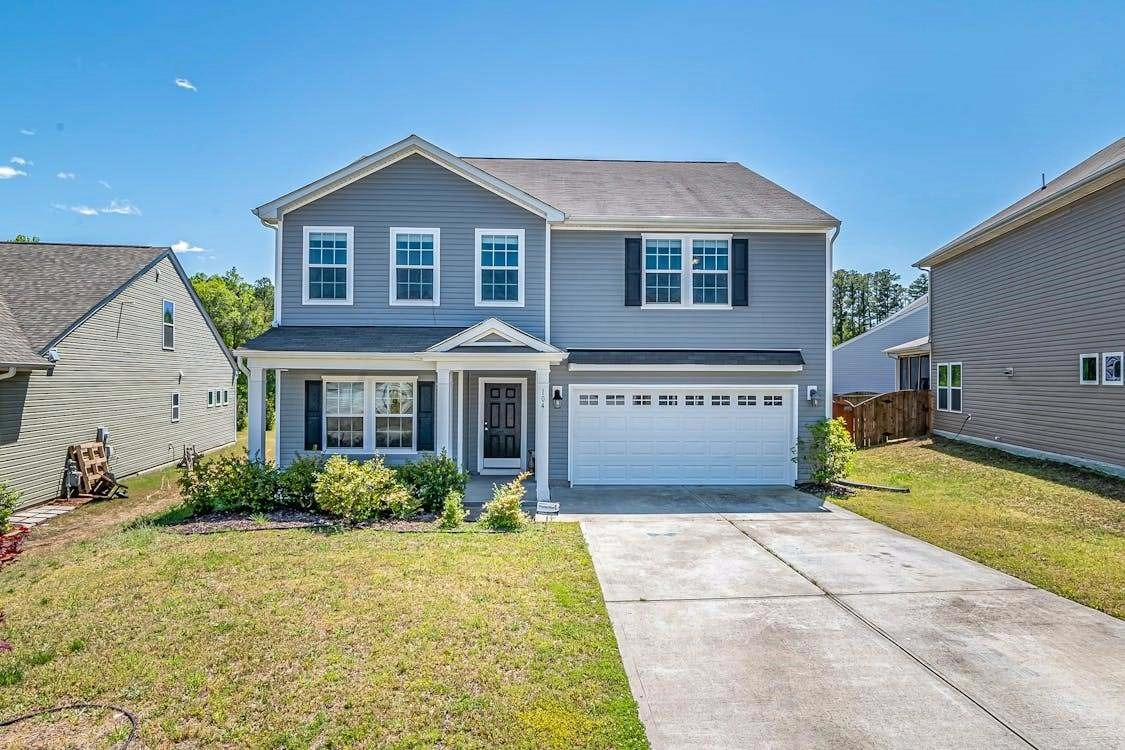
Fresh mulch is the cheapest, fastest curb-appeal fix available to a Colorado seller, and it works because it signals maintenance at a glance: clean bed lines, no bare dirt, no weeds pushing through. Buyers decide how a home feels within the first few seconds in the driveway, and landscaping is doing most of that work before anyone walks through the front door.
Yes. A buyer's first impression forms in the driveway, and Front Range agents consistently see homes with clean, mulched beds and a trimmed lawn draw more showings than an identical listing with bare dirt and overgrown edges. Landscaping will not fix a pricing problem, but it removes an objection before a buyer even reaches the front door.
Mulch finishes a bed the way trim finishes a room. Plants, however well chosen, look unfinished sitting in bare or weedy dirt; a fresh 2 to 3 inch layer of mulch reads as maintained and recent even if the planting itself is a few years old. It also suppresses the weeds that would otherwise show up in listing photos and during a walkthrough.
Shredded hardwood or wood-chip mulch holds up well in beds away from the house and breaks down into the soil over a season or two, which helps Front Range clay. Rock or gravel mulch costs more upfront but does not need replacing every year and works better in high-wind areas where wood mulch blows into the lawn. For a quick pre-listing refresh, a light top-dressing over existing mulch is enough in most beds; you do not need to strip and replace the whole bed.
Use rock mulch in the first few feet around the foundation and any area close to structures or fences; it does not carry fire the way wood mulch can, which matters most for homes near open space or foothill terrain. Save organic wood mulch for beds farther from the house, where the moisture retention and soil-building benefit outweighs the fire consideration.
Some Front Range HOAs specify an approved mulch color, most commonly brown or a natural wood tone, and reject bright red or black dye. Check your covenant before you order a large delivery. For resale, a natural brown or dark neutral mulch photographs better and reads as more upscale than dyed red mulch in most buyers' eyes.
Bulk mulch runs $35 to $65 per cubic yard delivered, and an average front-yard bed refresh uses 2 to 4 cubic yards, so budget $100 to $300 for materials plus $150 to $400 for labor if you hire it out. That is a small line item against the improvement in listing photos and first showings.
| Pre-listing landscaping fix | Typical cost | Impact on first impression |
|---|---|---|
| Fresh mulch, front beds | $100 to $300 (materials) | High: immediate, visible in listing photos |
| Lawn edging and mowing | $50 to $150 per visit | High: clean lines read as maintained |
| Removing overgrown shrubs | $200 to $800 | Medium to high: opens sightlines to the house |
| New foundation plantings | $500 to $2,500 | Medium: helps a bare, new-build yard most |
Beyond the mulch itself, a guide on designing a backyard getaway is worth a look if the backyard has more time to prepare before listing than the front does; even a small seating area photographs better than an empty patio slab. For the mulch delivery itself, most Front Range landscape suppliers offer bulk delivery, or you can compare options through a service like mulch delivery near me for pricing and volume.
After mulch, the highest-return fixes are: edging beds to a crisp line, mowing and fertilizing the lawn two to three weeks before photos, trimming shrubs away from windows and the front door, and pulling weeds from cracks in the driveway and walkway. All four together run under $500 in most cases and take a weekend or a single landscaper visit.
Yes, if the home backs up to open space, a greenbelt or foothill terrain. Keep the first 5 feet around the house in noncombustible material, rock, pavers or bare soil, rather than wood mulch or dense planting, and disclose any defensible-space work you have done. Buyers looking at homes near wildfire-prone areas ask about this directly, and having it already handled removes a question before it gets asked.
Two to three weeks ahead gives mulch time to settle and any newly planted color time to establish before photos. Doing it the day before photos leaves visible footprints and unsettled mulch in the images; give it at least a few days to look lived-in rather than freshly staged.
Both, and photos matter first. Most Front Range buyers filter listings online before they request a showing, and the exterior and front-yard photo is one of the first images in the gallery. A patchy lawn or bare mulch bed in that photo can cost a showing before a buyer ever sees the inside of the home.
Indirectly. Inspectors flag drainage, grading and anything landscaping-related that touches the foundation, not the mulch color itself. Beds that slope toward the house, or mulch piled against siding, are worth fixing before the inspection rather than after, since they read as a maintenance and moisture issue, not just a cosmetic one.
Real estate research consistently ranks landscaping and curb appeal among the highest return-on-cost pre-listing projects, well above most interior cosmetic updates, because the cost is low and every buyer sees it before anything else. A $200 to $500 mulch and cleanup pass, timed a few weeks before photos, is the highest ratio of cost to visible impact of any pre-listing project on a Front Range home.
A DIY mulch and cleanup weekend works fine for a homeowner with the time and basic tools. Hire it out when the yard needs more than mulch: overgrown shrubs, dead sod, or grading that pools water near the foundation. A single landscaper visit for a full pre-listing pass runs $200 to $600 on an average Front Range lot, cheap insurance against a listing photo that undersells the home.
The Kenna Real Estate Group walks every seller through a pre-listing checklist, mulch, mowing, edging and the fixes that actually move a listing, before the photographer shows up. Ask for the printable checklist in the form below and we email it the same day. Call or text 303-955-4220. A live person answers. Not a robot, not a phone tree. Or search every home for sale in Colorado right now.
Questions about any home in Colorado? Call or text 303-955-4220. A live person answers.
Yes. Clean, mulched beds read as maintained in listing photos and in person, and they remove a first-impression objection before a buyer reaches the front door.
Bulk mulch runs $35 to $65 per cubic yard delivered; an average front-yard refresh uses 2 to 4 yards, so plan on $100 to $300 in materials.
Use rock mulch in the first few feet around the foundation, especially near open space or foothill terrain, and save organic wood mulch for beds farther from the structure.
Some HOAs specify an approved color, most commonly brown or a natural wood tone, and reject bright red or black dye. Check the covenant before ordering.
Edging beds, mowing and fertilizing two to three weeks out, trimming shrubs off windows and the front door, and pulling weeds from driveway cracks. All four together run under $500 in most cases.
Two to three weeks ahead, so it settles and any new plantings establish before the photographer arrives.
Indirectly. Inspectors flag drainage and grading issues connected to landscaping, so beds sloping toward the house or mulch piled against siding are worth fixing before the inspection.
Yes, for homes near open space or foothill terrain. Keep the first 5 feet around the house in rock, pavers or bare soil rather than wood mulch or dense planting.