New - Just Now
$425,000
Coming Soon
4
Beds
2
Baths
1701
Sqft
0.16
Acres
1661 Pecos Way, Denver, CO 80221
MLS#: RECIR1069846
.jpg)


Front-yard landscaping before listing on the Front Range means balancing two pressures at once: buyers still respond to a green, cared-for-looking yard, and Colorado's semi-arid climate and water utility rules increasingly push homeowners toward water-wise, xeriscaped design. The sellers who get the most return spend on a clean, well-edited yard rather than a brand-new full landscape install.
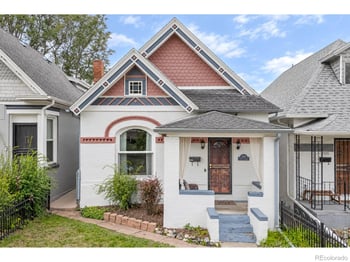
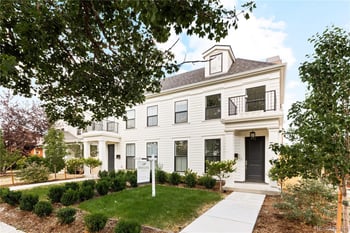
Mowed and edged turf, trimmed hedges, fresh mulch in planting beds, and a clearly defined walkway consistently rank as the highest-impact, lowest-cost fixes before photos. These are maintenance items, not installations, and they address the single biggest buyer concern: does this yard look like it has been cared for, or is it a project.
A well-designed xeriscape with native grasses, drought-tolerant perennials, and defined hardscape reads as intentional and low-maintenance to most Front Range buyers, especially those relocating from other water-conscious markets. A half-finished conversion, with bare dirt patches or dead turf next to rock, reads as neglect. If you are mid-conversion when you decide to sell, finish it or hold off rather than list with an unfinished yard.
Denver Water and most Front Range utilities set seasonal watering schedules and, in drought years, restrictions on watering days and times rather than banning specific plants outright. Several utilities, including Denver Water and Aurora Water, also run turf replacement rebate programs that pay homeowners to remove water-thirsty bluegrass lawns for xeriscape, which can offset a pre-listing landscape refresh. Confirm current rules and rebate amounts with your specific water provider before starting work.
Many Front Range HOAs have updated covenants in recent years to allow or even encourage xeriscape conversions given regional water pressure, but some older covenants still require a minimum percentage of live turf or restrict rock and gravel coverage. Check your covenants or ask the HOA management company before removing a lawn, particularly in an established community with a design review committee.
A maintenance-level refresh, mowing, edging, mulch, and minor planting, runs $300 to $1,200 for a typical Front Range front yard. A moderate landscape update with new shrubs, a defined bed line, and mulch runs $1,500 to $4,000. A full xeriscape conversion of a front lawn runs $4,000 to $12,000 or more depending on size and hardscape. Most sellers get the best return from the first tier and skip the larger investment unless the yard is already in poor condition.
Curb appeal work is consistently one of the higher-return categories of pre-listing spend because the cost is low relative to interior renovations and the impact on first impressions, and therefore on showing traffic, is immediate. A yard that looks neglected in the listing photo can cost a showing before a buyer ever sees the interior, regardless of how updated the home is inside.
Spring, once the ground has thawed and before Colorado's hail season is in full swing, is the best window for planting and installation work. Sellers listing in fall or winter get more value from cleanup, mulch, and hardscape repair than from new plantings, since anything planted late in the season has less time to establish before winter dormancy.
Buyer preference has shifted enough on the Front Range that a well-executed xeriscape no longer reads as a downgrade the way it did a decade ago, particularly among buyers who grew up with water restrictions in other Western states. The design quality matters more than the presence of turf: a thoughtfully planted xeriscape outperforms a patchy, under-watered lawn in listing photos and in person.
Several Front Range utilities, including Denver Water, Aurora Water, and Colorado Springs Utilities, have run cash-for-grass or turf replacement rebate programs that pay per square foot for removing irrigated bluegrass and replacing it with water-wise landscaping. Program availability and rebate amounts change, so check directly with your water provider for the current offer before budgeting a conversion.
Both are acceptable ground cover in most Front Range neighborhoods, but rock landscaping absorbs and radiates more heat in Colorado's intense summer sun, which can stress nearby plantings if it is not paired with the right plant selection. Organic mulch retains moisture better and is the lower-maintenance, lower-heat-load choice for beds close to the house.
Colorado's hail season runs spring through September, and a hard hail event can shred new plantings, especially soft-leaved perennials and annuals planted just before a storm. Sellers listing during hail season should expect some plant damage risk and budget a small contingency for touch-up planting after a storm rather than assuming the landscaping investment is one and done.
The front yard drives the listing photo and the first showing impression, so it earns the landscaping budget first. A backyard refresh matters more once a buyer is already interested and touring, and it is reasonable to do a lighter cleanup in back while investing more up front, unless the backyard is a major selling feature like a large patio or mature trees.
Most of the Front Range sits in USDA hardiness zone 5b, with roughly 15 inches of annual precipitation and intense UV at elevation that stresses shallow-rooted plants. Native and adapted species such as blue grama grass, Rocky Mountain penstemon, and yarrow tolerate that combination with far less water than a traditional Kentucky bluegrass lawn, and they hold up better through a dry August than imported ornamentals bred for a wetter climate.
Photos determine whether a buyer schedules a showing in the first place, so a neglected front yard can cost a showing before the interior is ever seen, no matter how updated the home is. Once a buyer is standing in the yard, the landscaping matters less than the house itself, but by then the photo has already done its job or failed to.
The Kenna Real Estate Group walks Front Range sellers through exactly which yard upgrades pay off before listing photos and showings, and which ones to skip. Call or text 303-955-4220. A live person answers. Not a robot, not a phone tree. See what is on the market now at search every home for sale in Colorado.
For the installation itself, landscape design & installation services can plan a water-wise front yard suited to your lot and HOA rules; you are free to use any licensed landscaper. For a broader look at how landscaping affects the exterior of a property before a sale, see Houzz's exterior update guide.
Questions about any home in Colorado? Call or text 303-955-4220. A live person answers.
Mowed and edged turf, trimmed hedges, fresh mulch, and a defined walkway are the highest-impact, lowest-cost fixes. They are maintenance items, not new installations.
A well-designed xeriscape reads as intentional and low-maintenance to most current buyers. A half-finished conversion with bare dirt or dead turf reads as neglect, so finish it or hold off before listing.
Several utilities, including Denver Water and Aurora Water, have run turf replacement rebate programs that pay per square foot to remove irrigated lawn. Check current rules and amounts with your provider.
A maintenance-level refresh runs $300 to $1,200. A moderate update with new plantings runs $1,500 to $4,000. A full xeriscape conversion runs $4,000 to $12,000 or more.
Spring, after the ground thaws and before hail season peaks, is the best window for planting. Fall and winter listings benefit more from cleanup and mulch than from new plantings.
Many HOAs have updated covenants to allow xeriscape given regional water pressure, but some still require a minimum percentage of live turf. Confirm with your covenants or HOA management company first.
It can. Colorado's hail season runs spring through September and can shred soft new plantings. Budget a small contingency for touch-up planting if a storm hits after installation.