New - 5 Hours Ago

$545,000
Coming Soon
1
Beds
1
Baths
916
Sqft
--
Acres
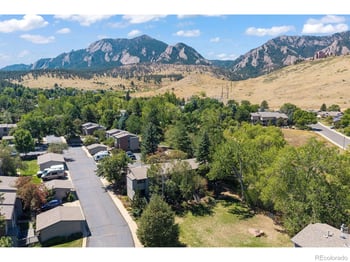
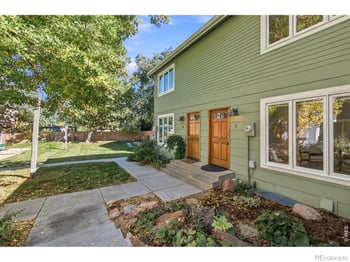
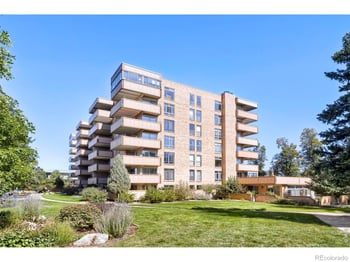
3701 Arapahoe Ave #216, Boulder, CO 80303
MLS#: RECIR1070045
.jpg)


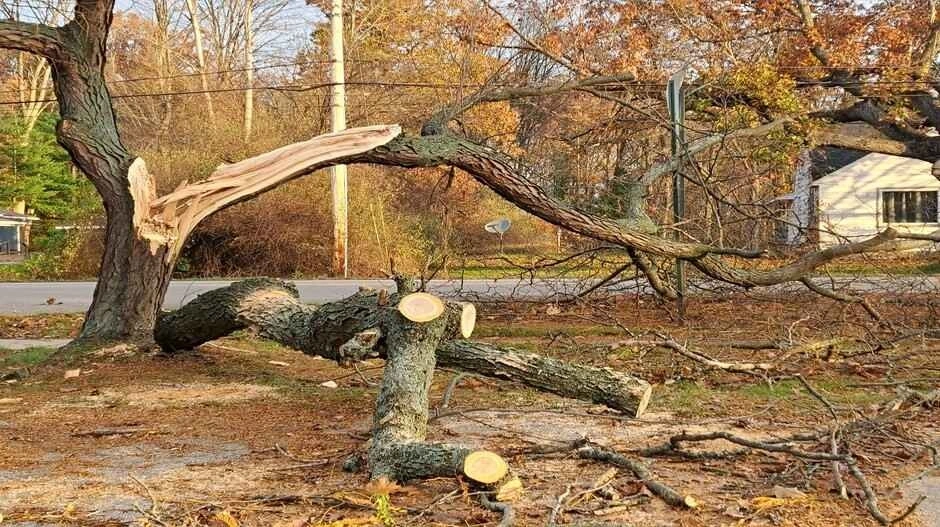
A storm-damaged tree left standing through a Front Range listing costs sellers more in a buyer's inspection objection than it would to remove before the photos are taken. Clear it, stump-grind it and disclose the work, and a damaged tree stops being a negotiation point.
A cracked limb, leaning trunk or dead canopy is the first thing a buyer's inspector flags and the first thing a buyer photographs on a walk-through. Removing or treating the tree before listing keeps it out of the inspection objection entirely instead of turning it into a credit negotiation.
Spring-through-September hail and straight-line wind gusts regularly reaching 60 to 80 miles an hour snap weak limbs and topple already-stressed trees along the Front Range. A single severe storm can leave a neighborhood full of split branches and leaning trees within a few blocks.
Yes. Emerald ash borer has spread through the Denver metro since it was first found in Boulder in 2013, killing untreated ash trees over several years. Ash was planted heavily as a Front Range street and yard tree for decades, so a dead or thinning ash is a common pre-listing issue, storm damage aside.
Several Front Range cities, including Denver, require a permit for large private trees and always require one for right-of-way trees along the street. Check with the city forestry office before removal — a permit-free removal on the wrong tree becomes a code violation, not just a landscaping choice.
Yes, in every Front Range city. The strip of grass between the sidewalk and the street belongs to the city, not the homeowner, and removing or trimming a tree there without approval can bring a fine on top of the removal cost.
A mid-size tree runs $500 to $2,500 to remove; a large tree, or one overhanging a structure, runs higher. A storm damage tree service assesses whether a damaged tree needs full removal or responds to pruning and recovers.
Most homeowners policies cover removal cost tied to storm damage above a set deductible when the tree fell on the home, a fence or another structure — not routine upkeep of a tree that's simply dying. File the claim and complete the removal before listing so the disclosure reads as resolved, not pending.
Yes. Colorado's seller property disclosure asks about known landscape and tree issues, and a known dead or hazard tree should be listed even if it hasn't caused damage yet. Undisclosed known defects create liability after closing.
A general home inspection covers the structure, not the trees, but most inspectors note a hazard tree near the roof, foundation or fence line in their report. That note becomes a talking point in a buyer's objection even outside the inspection's formal scope.
A split limb or bare, browning canopy pulls a buyer's eye away from the house in every listing photo and every drive-by. First impressions carry real weight in a sale — see how curb appeal factors into a buyer's first read on a home before they've stepped inside.
Colorado State Forest Service defensible-space guidance for foothills properties near Jefferson County, Boulder County and El Paso County calls for removing dead and diseased trees within a set distance of the home, not just storm-broken ones. Sellers in the foothills should address this alongside any storm cleanup.
Many Front Range HOAs include tree health and hazard removal in their covenant enforcement, and some send a notice with a deadline once a dead or leaning tree is reported. Resolve it before listing rather than during a buyer's due diligence period.
Yes. A visible hazard tree is a common line item in a Colorado inspection objection, and buyers routinely ask for removal or a credit as part of the resolution before the inspection objection deadline passes.
A stump-ground lot with a new, appropriately sized tree reads better in photos than an empty gap in the yard. A young tree won't add mature-tree value immediately, but it removes the "something's missing" impression a bare spot leaves.
Colorado's standard contract sets an inspection objection deadline the buyer and seller agree to, resolved well before closing. A hazard tree flagged during that window gets negotiated like any other inspection item — removal, a credit or a split cost — before the deadline passes.
Not for a clearly broken or dead tree, but a borderline case — one with a real chance of recovery through pruning — benefits from a certified arborist's written assessment. That report also supports an insurance claim when the damage came from a covered storm event.
An appraiser notes an obvious hazard tree as a condition affecting marketability, and a lender can require it addressed before funding in some cases, particularly if the tree threatens the structure or a fence line shown in the appraisal photos. Resolving it before the appraisal appointment avoids a delay in the closing timeline.
After a major Front Range hailstorm or wind event, tree removal crews book out fast across the whole metro, and delays of two to four weeks aren't unusual. If storm damage happened close to a planned listing date, schedule removal immediately rather than waiting for the pre-listing walkthrough to bring it up.
Yes — a fallen limb that damaged a fence panel or a section of roof needs its own repair estimate, and it carries its own insurance claim line in most cases, separate from the tree removal itself. Bundle all the storm-related repairs into one pre-listing punch list — see how Colorado hail and roof costs compare across the metro — so nothing gets missed between the tree crew, the fence contractor and the roofer.
The Kenna Real Estate Group walks Front Range sellers through exactly what to fix before a buyer's inspector finds it, including hazard trees. Call or text 303-955-4220. A live person answers. Not a robot, not a phone tree. Search every home for sale in Colorado while you plan the cleanup.
Questions about any home in Colorado? Call or text 303-955-4220. A live person answers.
Right-of-way trees always need city approval, and Denver requires a permit for some large private trees as well — check with the forestry office before removal.
A mid-size tree runs $500 to $2,500; a large tree or one overhanging a structure runs higher, depending on access and crane needs.
Yes. Colorado's seller property disclosure asks about known landscape and tree issues, including a known hazard tree that hasn't caused damage yet.
Most policies cover removal above a deductible when the tree damaged the home, a fence or another structure — not routine removal of a simply dying tree.
For a heavily infested ash, yes — the pest weakens the tree's structure and raises the odds it drops limbs or fails in a storm, and a buyer's inspector will note the decline.
A hazard tree alone rarely kills a deal, but it's a common line item in the inspection objection, and unresolved issues can extend or derail negotiations.
Yes — defensible-space guidance for foothills properties calls for removing dead and diseased trees within a set distance of the home.
Hire a licensed tree service for anything near power lines, a structure or over four inches in trunk diameter — DIY removal risk and permit requirements both favor a professional.