.jpg)


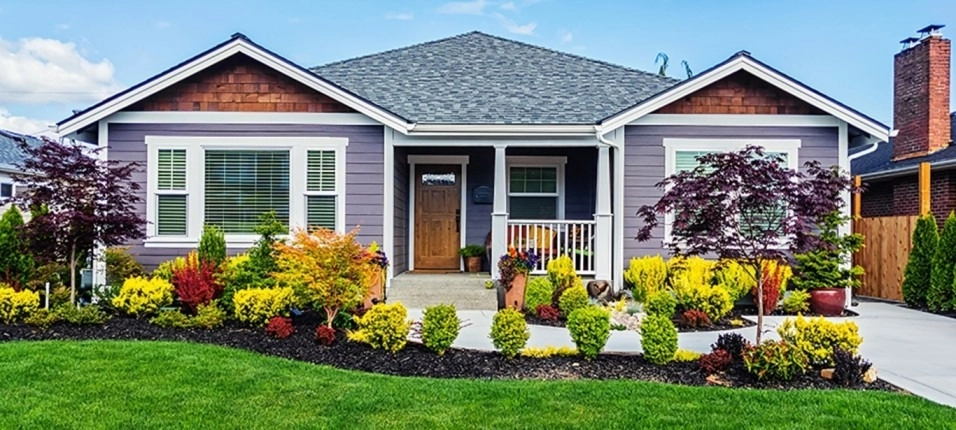
Landscaping shapes a Colorado home sale before a buyer ever walks through the front door. The National Association of Realtors' 2025 Remodeling Impact Report consistently finds that exterior and landscaping projects recover a high share of their cost at resale, and on the Front Range, where water rules and a short growing season shape what looks intentional versus neglected, the gap between a well-kept yard and an overgrown one shows up in offers, not just first impressions.
The first five seconds set the buyer's expectations
This isn't a soft or subjective claim; it's the pattern agents describe consistently across hundreds of Front Range showings, whether the home is a starter in Aurora or a move-up listing in Littleton.
Agents on the Front Range see this pattern constantly: a buyer's reaction to the yard, formed in the seconds between pulling up and reaching the front door, colors how they interpret everything inside. A clean, intentional yard signals the whole house has been maintained. An overgrown lawn, dead shrubs, or a cracked, weedy walkway signals the opposite, even when the interior is in excellent condition, and buyers walk in already looking for problems to confirm that first impression.
Why a green lawn isn't automatically the goal here
In much of the country, a lush green lawn is the default marker of a well-kept home. On the Front Range, where Denver Water and most utilities restrict outdoor watering days, a lawn that's suspiciously green in late summer can read as wasteful rather than impressive to a growing share of buyers, particularly move-up buyers already thinking about their own future water bill. A well-maintained xeriscape yard, mulch beds, drought-tolerant plants, clean rock or gravel edges, increasingly reads as the more sophisticated choice, not a downgrade from turf.
The landscaping mistakes that cost Front Range sellers
Most of these are inexpensive to fix once identified, which is exactly why leaving them unaddressed costs more in lost buyer interest than the repair itself would have cost.
- Overgrown or dead shrubs left from a previous season, especially visible from the street.
- Bare dirt patches in beds that once held plants, which read as neglect rather than a blank canvas.
- Cracked or heaved walkways from Colorado's expansive clay soil, left unrepaired.
- Mismatched mulch or rock from partial updates done over several years.
- An irrigation system that's clearly not running, visible as brown patches in an otherwise green lawn.
What actually moves the needle in listing photos
Photographers shooting Front Range listings schedule the exterior shots for morning or late afternoon light specifically because midday sun at altitude washes out color and flattens texture, but no amount of good lighting fixes bare dirt or dead shrubs in the frame.
Fresh mulch, clean-edged beds, and a lawn or xeriscape area that's been recently maintained photograph well and drive more clicks on a listing, which translates directly into more showings. A full landscape overhaul is rarely necessary to get this result; a thorough cleanup, fresh mulch, dead plant removal, and edge definition produces most of the visual improvement a full renovation would, at a fraction of the cost and time.
Landscaping ROI: cleanup versus overhaul
| Project | Typical Denver metro cost | Typical impact |
|---|---|---|
| Basic cleanup, mulch, edging | $500 to $1,500 | Improves photos and first impression fast |
| Xeriscape bed conversion | $3,000 to $8,000 | Lowers ongoing water cost, appeals to move-up buyers |
| Full landscape overhaul | $10,000+ | Best for a home with no existing structure to work from |
Time on market: what Front Range data shows
Homes in Denver, Aurora, and Lakewood with well-maintained, photo-ready landscaping tend to generate more initial showings in the first two weeks on market, which is when most offers on a well-priced Front Range home actually come in. A yard that needs work doesn't necessarily stop a sale, but it means a longer runway to the right offer, or a lower one once a buyer factors in the cost of fixing it themselves.
Landscaping and the appraisal
Appraisers note landscaping condition as part of the overall property assessment, though it's rarely a line-item adjustment the way square footage or a finished basement is. Where it matters more directly is the buyer's own math: a buyer weighing two comparable homes will pay closer to full price for the one where the yard is already done, and negotiate harder on the one where they're pricing in landscaping work themselves.
Small lots versus larger lots: where landscaping matters most
On a smaller Denver bungalow lot, the entire yard is visible from the street in a single glance, so a condition issue anywhere in it reads immediately. On a larger Aurora or Highlands Ranch lot, buyers form their first impression from the front yard and entry path specifically, and a backyard in rougher shape matters less to the initial reaction, though it still surfaces during the walkthrough and can affect the offer once a buyer sees the full property.
Landscaping and staging work together
A staging consultation that walks the exterior alongside the interior, rather than treating them as two separate projects, produces a more consistent presentation from the street to the last room a buyer sees.
Staging gets most of the attention in seller prep conversations, but a staged interior paired with a neglected yard creates a jarring contrast that undercuts the effort spent inside. Sellers investing in staging get more consistent return when the exterior gets a proportional share of the prep budget rather than treating landscaping as an afterthought to the interior work.
Maintaining momentum with ongoing care
A yard that looked great at the listing photo shoot but goes unmaintained through a multi-week marketing period can undo the initial impression by the time showings actually happen, especially during hail season from spring through September, when storm damage needs quick cleanup. Sellers who keep up with landscape management through the full time their home is on the market protect the investment they made getting it photo-ready in the first place.
What showing feedback tells sellers about landscaping
Agents collecting feedback after Front Range showings hear landscaping comments more than most sellers expect, phrases like "yard needs work" or "not sure what's going on with the sprinklers" showing up alongside interior comments. That feedback is a direct signal worth acting on if it repeats across several showings, since it means the yard is costing offers rather than just costing compliments.
Disclosure and landscaping-related issues
Landscaping itself isn't a disclosure item, but related issues, a failing irrigation system, a retaining wall showing movement, drainage problems that pool water against the foundation, are structural or mechanical concerns that belong on Colorado's seller property disclosure and surface during a buyer's inspection regardless.
Where to go next
- Preparing and Adding Value Before Selling
- Pricing Your Colorado Home to Sell
- Search Homes in Aurora
- Search Homes in Denver
- 8 Curb Appeal Fixes for Front Range Sellers
- The Role of Landscaping in Property Sales: Why Mulch Matters
Talk to the Kenna Real Estate Group
The Kenna Real Estate Group helps Front Range sellers prioritize the landscaping work that actually affects offers, and helps buyers factor yard condition into their number. Call or text 303-955-4220. A live person answers. Not a robot, not a phone tree. Ask for the printable pre-listing curb appeal checklist in the form below and we email it the same day, or start browsing every home for sale in Colorado now.