New - 8 Hours Ago

.jpg)


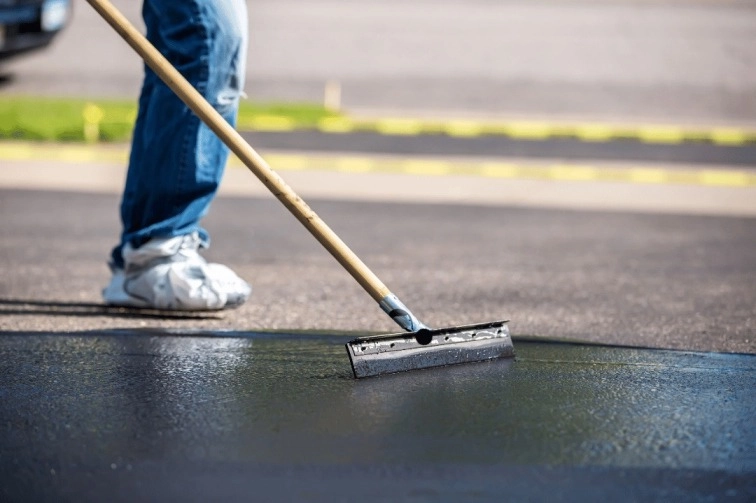
Seal a Colorado driveway in late spring through early fall, after the last hard freeze and before the first snow, when daytime temperatures hold between 50 and 85 degrees for at least 24 hours. Sealing protects against the state's biggest driveway threats: freeze-thaw cycling, mag chloride from winter road treatment, and UV exposure at altitude.
The Front Range runs through more than 100 freeze-thaw cycles a winter: water gets into small surface cracks during a daytime thaw, freezes overnight, and expands roughly 9%, widening the crack a little more each cycle. Add magnesium chloride, the de-icer Colorado's cities and counties spread on roads and driveways, which penetrates unsealed asphalt and concrete and accelerates surface breakdown. A sealed driveway blocks both the water infiltration that drives freeze-thaw damage and the chemical penetration from mag chloride.
Denver sits at 5,280 feet, where UV exposure runs stronger than at sea level because there is less atmosphere to filter it. Unsealed asphalt dries out and turns gray under that UV load within two to three years, losing the oils that keep it flexible; a dried-out driveway cracks under normal temperature swings instead of flexing with them. Sealant with UV inhibitors slows that oxidation and keeps the asphalt flexible through more freeze-thaw cycles.
Asphalt driveways need a fresh sealcoat every two to three years on the Front Range to replace the oils UV and cold pull out of the surface. Concrete driveways need a penetrating or acrylic sealer every three to five years; concrete does not oxidize the way asphalt does, but an unsealed concrete surface absorbs mag chloride and water, which drives the freeze-thaw spalling (surface flaking) common on Front Range concrete driveways and sidewalks. See Asphalt Driveways vs. Concrete Driveways: Which Is Better? for the full cost and lifespan comparison.
| Driveway Size | Asphalt Sealcoat | Concrete Sealer |
|---|---|---|
| Single-car (400-600 sq ft) | $150 - $300 | $200 - $400 |
| Two-car (600-900 sq ft) | $250 - $450 | $300 - $600 |
| Long or double-wide (1,000+ sq ft) | $400 - $700 | $500 - $900 |
Crack filling before sealing adds $3 to $10 per linear foot; skipping it and sealing over an existing crack traps water underneath, which speeds up the exact freeze-thaw damage the sealer was meant to prevent.
Sealant needs 24 to 48 hours of dry weather above 50 degrees to cure properly, which narrows the practical Front Range sealing window to late spring through September for asphalt and a slightly wider window for concrete sealers. Sealing too early in spring risks a late freeze before the sealer cures; sealing after mid-September risks the first snow arriving before the surface sets. Check the forecast for a dry stretch, not just a dry day, since afternoon thunderstorms are common on the Front Range through summer.
Much of the Front Range sits on bentonite clay soil that expands when wet and shrinks when dry, and that movement under a driveway slab causes structural cracking no sealant can prevent. Sealing protects the surface from water and chemical penetration; it does not fix a driveway already heaving or settling from soil movement underneath. A structural crack wider than a quarter inch or a section that has visibly shifted needs a foundation or concrete contractor, not just a sealcoat. Watering the soil along the driveway edge evenly through a dry Front Range summer keeps the clay from shrinking and pulling away from the slab, which reduces one source of the edge cracking homeowners blame on the sealant itself.
Many Front Range HOAs specify an approved sealant color or finish, particularly in communities with a uniform concrete or stamped driveway standard. Check the architectural guidelines in the Denver HOA rules and fees guide or your community's equivalent before a contractor applies a dark asphalt sealer to a driveway the HOA expects to stay its original color.
A DIY asphalt sealcoat kit runs $60 to $120 in materials for a two-car driveway and takes a full weekend including prep, application, and cure time before the car can park on it again. A contractor charges more per square foot but finishes in a day, carries insurance if the crew damages an underground sprinkler line, and backs the work with a one- to two-year workmanship warranty on the seal itself. For a driveway with existing cracks or drainage issues toward the garage, a contractor's assessment before sealing is worth the extra cost.
A freshly sealed, crack-free driveway is one of the lowest-cost curb appeal upgrades on the Front Range, since it is the first surface a buyer walks across before reaching the front door. An unsealed, alligator-cracked driveway signals deferred maintenance to a buyer even when the rest of the home is in good condition, and it comes up in the inspection objection period as a negotiating point more than once a season. See Preparing and Adding Value Before Selling for where driveway work ranks against other pre-listing projects.
Plan on resealing asphalt every two to three years and concrete every three to five years, and inspect both every spring after the winter's freeze-thaw and mag chloride exposure for new cracking before deciding whether this is a sealing year. A driveway sealed on schedule outlasts one sealed only when cracks are already visible, since the sealer works by keeping water and chemicals out in the first place, not by repairing damage after the fact.
Walk the full length of the driveway each spring and mark any crack wider than a quarter inch, any low spot holding standing water, and any section near the garage apron that shows edge crumbling. A driveway with more than three or four active cracks per hundred square feet needs crack repair before a sealcoat goes down, since sealing over active cracks only hides them for one season before mag chloride and freeze-thaw reopen them. Photograph the driveway before and after sealing each year; that record helps a contractor spot new damage fast and helps a future buyer see the maintenance history during a sale, especially on a driveway that has been resealed on the two- to three-year schedule every time.
Whether a cracked driveway is holding back a listing or you are budgeting seasonal upkeep for a home you just bought, the Kenna Real Estate Group can tell you which exterior projects the Front Range market actually pays back. Call or text 303-955-4220. A live person answers. Not a robot, not a phone tree. Ready to look at homes instead? Search every home for sale in Colorado.
Questions about any home in Colorado? Call or text 303-955-4220. A live person answers.
Late spring through early fall, when daytime temperatures hold 50 to 85 degrees for at least 24 hours of dry weather so the sealer cures properly.
A two-car asphalt driveway runs $250 to $450 to seal; a two-car concrete driveway runs $300 to $600, plus $3 to $10 per linear foot for crack filling.
Yes. The magnesium chloride Colorado uses as a winter de-icer penetrates unsealed asphalt and concrete and speeds up surface breakdown; sealing blocks that penetration.
Every two to three years. Colorado's UV exposure at altitude dries out asphalt oils faster than lower-elevation climates.
No. Sealant protects the surface from water and chemicals; it does not stop structural movement from expansive clay soil underneath, which needs a concrete contractor to address directly.
Yes. A crack-free, freshly sealed driveway is a low-cost curb appeal upgrade that avoids becoming an inspection objection point.
A DIY kit runs $60 to $120 in materials for a two-car driveway and works for routine maintenance; a driveway with existing cracks or drainage problems is worth a contractor assessment first.
Many Front Range HOAs specify an approved finish or color, so check the architectural guidelines before a contractor applies a dark asphalt sealer over a light concrete standard.


