New - 12 Hours Ago
$980,000
Coming Soon
4
Beds
4
Baths
3476
Sqft
0.17
Acres
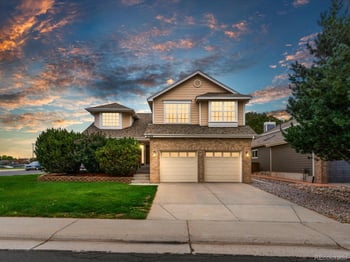
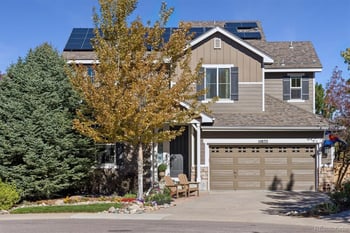
10833 Fox Sedge Way, Highlands Ranch, CO 80126
MLS#: REC4957701
.jpg)


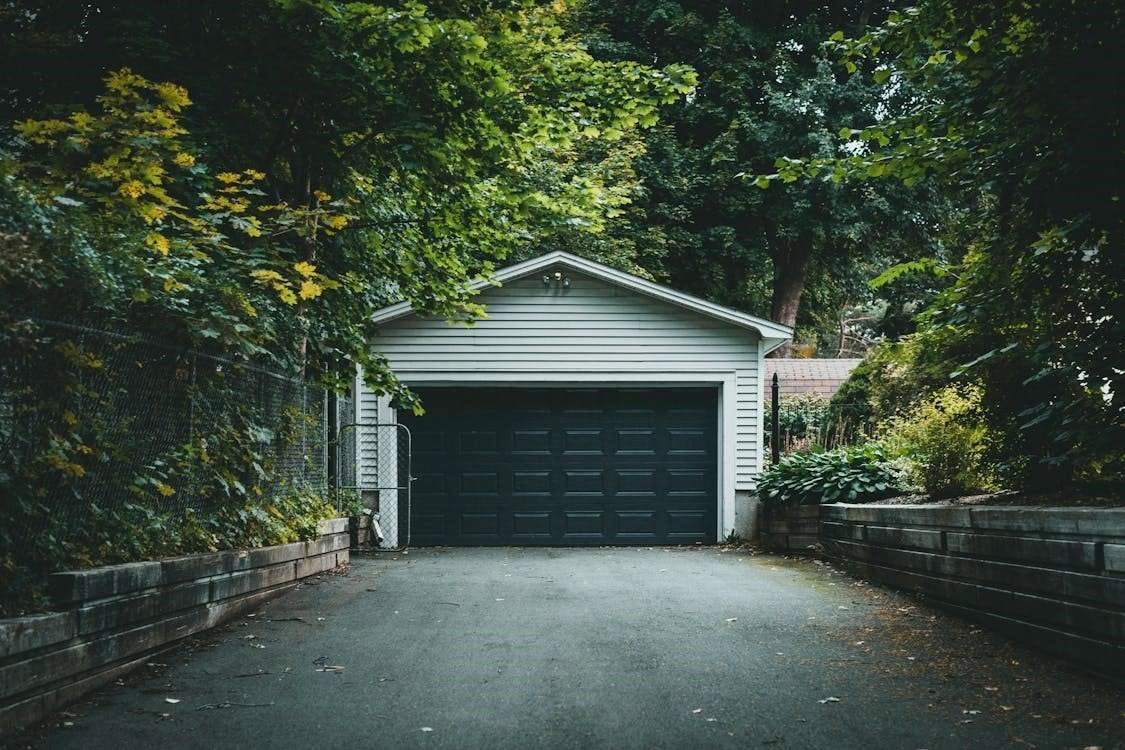
Asphalt handles the Front Range's freeze-thaw cycles, expansive clay soil and hail better than most driveway materials, at a lower installed cost than concrete or pavers. Here are the five benefits that matter most for a Colorado driveway, plus the local costs, permits and HOA rules to check before you repave.
Colorado's climate cycles through freezing nights and warm days for months at a stretch, which stresses a rigid material like concrete far more than a flexible one. Asphalt's flexibility, combined with proper base preparation over the area's expansive bentonite clay soil, is the biggest reason it holds up better here than in a climate with steadier temperatures.
A properly installed asphalt driveway runs at least two inches thick and, depending on thickness, quality and installation, withstands up to 8,000 pounds without cracking. Its flexibility lets it move with temperature swings and with the seasonal expansion and contraction of Front Range clay soil instead of cracking the way a more rigid material does under the same stress. With prompt repair of small cracks before they spread, a well-installed asphalt driveway lasts up to 20 years in a Colorado climate.
A standard two-car asphalt driveway on the Front Range runs roughly $4,500 to $9,000 installed, depending on square footage, base prep and site access; concrete runs 20% to 40% higher for the same footprint in most cases, and pavers cost more still. Installation for asphalt takes one to two days once the base is prepared, compared to a longer cure and prep timeline for concrete. Asphalt is commonly thought of as a green pavement. since it's a recyclable, reusable material, and it stays a lower-maintenance option long-term: expect to reseal every three to five years, a smaller expense than a concrete repair of the same scale. Understanding when crack sealing will not work helps you catch a failing section before it turns into a full repave.
A freshly sealed or repaved driveway reads as well-maintained to buyers touring a Colorado home and photographs cleanly for a listing. The dark surface hides stains and minor wear better than lighter-colored concrete and, because it absorbs more heat from Colorado's roughly 300 days of sun a year, clears snow and ice faster in winter than a concrete driveway does, a practical plus during a Front Range storm. Our guide to how driveways influence curb appeal and resale value covers the full picture of what buyers notice.
Asphalt absorbs more road and driveway noise than concrete, which matters most on a corner lot or a home near a busier Front Range collector street. Rubberized and porous asphalt mixes reduce sound further, though they add cost; standard asphalt already outperforms concrete on this point without an upgrade.
Asphalt's surface texture gives tires more grip than smooth concrete during ice, snow and rain, which matters for a steep or sloped Front Range driveway during a winter storm. Combined with faster snowmelt from the darker surface, an asphalt driveway clears and stays usable sooner after a storm than many concrete driveways in the same neighborhood.
A cracked, patched or heaving driveway is one of the first things a buyer notices pulling up to a Front Range home tour, and it raises a question about deferred maintenance before the buyer even reaches the front door. A driveway replacement or resurface won't return its full cost as a separate line item on an appraisal, but it removes a visible objection and helps the whole property show better in listing photos. Sellers weighing the cost against a shorter timeline to closing find it a lower-cost fix than the curb appeal problem it solves in most cases; our guide to signs you need to replace your driveway covers when a patch is enough and when a full repave makes more sense.
A residential driveway should run a minimum of two to three inches of compacted asphalt over a properly prepared gravel base, with the base depth (commonly four to eight inches on Front Range clay soil) mattering as much as the asphalt thickness itself. Skimping on base preparation is the most common reason an otherwise well-installed asphalt driveway fails early in a Colorado freeze-thaw cycle, regardless of the asphalt layer's own thickness. Get a written scope from your contractor that specifies both the base depth and the asphalt thickness before signing a contract.
Asphalt installation requires specialized paving equipment to compact the material correctly at the right temperature, which makes it a poor DIY project for anything beyond patching small cracks or sealcoating an existing surface. Sealcoating is a realistic weekend project for a homeowner with the right tools; full installation or repaving is worth hiring a licensed, insured paving contractor for, both for the equipment involved and for a workmanship warranty on the finished surface.
| Factor | Asphalt | Concrete |
|---|---|---|
| Typical installed cost (2-car driveway) | $4,500-$9,000 | $6,000-$12,000+ |
| Installation time | 1-2 days | Longer cure and prep time |
| Resealing interval | Every 3-5 years | Less frequent, costlier repairs |
| Freeze-thaw flexibility | High | Lower, more prone to cracking |
| Snowmelt speed | Faster (dark surface) | Slower |
For a deeper side-by-side, see our post on asphalt driveways vs. concrete driveways.
Repaving an existing driveway within its current footprint doesn't require a permit in Denver. Widening a driveway, adding a new curb cut, or extending it into the public right-of-way does require a permit from the city before work starts. Check with your city or county before hiring a contractor if the project changes the driveway's size or location, since rules differ between Denver, unincorporated county lots and HOA-governed subdivisions like Highlands Ranch or Castle Rock.
Most Front Range HOAs allow asphalt, but some newer master-planned communities in Highlands Ranch, Castle Rock and Parker restrict driveway material or color to match a neighborhood standard, commonly favoring concrete or stamped concrete in the architectural guidelines. An asphalt paving contractor familiar with your specific HOA can confirm what's approved before you commit to a bid, and you are free to use any licensed contractor you choose. Check your HOA's rules before choosing asphalt for a new-build or replacement driveway in a covenant-controlled community.
Whether a driveway repave is part of getting your Front Range home ready to list or a project for the home you just bought, the Kenna Real Estate Group can tell you what buyers in your neighborhood actually notice. Call or text 303-955-4220. A live person answers. Not a robot, not a phone tree. Or start browsing at search every home for sale in Colorado.
Questions about any home in Colorado? Call or text 303-955-4220. A live person answers.
Asphalt's flexibility handles freeze-thaw cycles and expansive clay soil movement better than rigid concrete, at a lower installed cost, roughly $4,500 to $9,000 for a two-car driveway versus $6,000 to $12,000-plus for concrete.
A well-installed asphalt driveway lasts up to 20 years with resealing every three to five years and prompt repair of small cracks before they spread.
No, as long as the repave stays within the existing footprint. Widening a driveway, adding a new curb cut, or extending into the public right-of-way requires a city permit first.
Yes. Asphalt's darker surface absorbs more heat from Colorado's roughly 300 days of sun a year, which clears snow and ice faster than a lighter concrete surface.
Most do, but some newer master-planned communities in Highlands Ranch, Castle Rock and Parker restrict driveway material or color to match a neighborhood standard. Check your HOA's architectural guidelines first.
Every three to five years, which is a smaller expense than repairing a comparable section of concrete and keeps small cracks from spreading into a full repave.