New - 30 Mins Ago

$1,825,000
Active
4
Beds
5
Baths
3300
Sqft
0.07
Acres
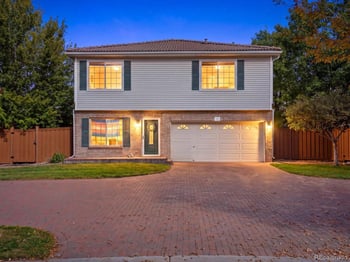
1608 S Washington St, Denver, CO 80210
MLS#: REC7038465
.jpg)



A Colorado home tour should tell you more than whether the paint colors work. Checking the roof, basement, HVAC setup, and HOA paperwork during the visit gives buyers a realistic picture before they write an offer and start the clock on the inspection objection deadline.
Set priorities before the first showing: budget comfort, commute, bedroom and storage needs, and outdoor space. During the tour, look past staging and paint to notice flow, natural light, and signs of deferred maintenance. Afterward, compare notes against those original priorities rather than deciding in the driveway.
Colorado sits in an active hail corridor, with the season running from late spring through September. From the ground, look for missing granules on the driveway or gutters, dented gutters or vents, and any patched or recently replaced sections of roofing that don't match the rest. Ask when the roof was last replaced and whether a hail claim has been filed; an older or storm-damaged roof affects both insurance cost and negotiating room.
Radon is common in Colorado soil, and many Front Range homes have a radon mitigation system installed, visible as a vertical pipe running from the basement floor to the roofline with a small fan. Ask whether the home has been tested and whether a system is active. Also check the basement for a sump pump and note whether it looks recently serviced, since basement moisture is a common issue after spring snowmelt.
Older Front Range homes were sometimes built with evaporative coolers instead of central air conditioning, since Colorado's dry climate makes them effective. Ask which system is installed, its age, and whether ductwork supports central air if that is a priority. Because indoor humidity can drop to 10% to 25% in winter, ask whether a whole-home humidifier is installed, since dry air affects wood floors, trim, and furniture over time.
Parts of the Front Range, including areas of Douglas and Elbert counties, sit on expansive, bentonite-heavy clay soil that swells and shrinks with moisture changes. During a tour, look for diagonal cracks near doors and windows, doors that stick or don't latch evenly, and sloped or uneven flooring. These signs do not automatically rule out a home, but they are worth raising with an inspector and possibly a structural engineer before the inspection objection deadline passes.
Many Front Range communities are governed by an HOA or a metro district that adds fees on top of the mortgage payment. Ask for the HOA's governing documents, current dues, any pending special assessments, and rules on exterior changes before falling in love with a specific home. Metro district fees, common in newer developments, can add a meaningful amount to the monthly cost and are worth confirming early.
After each showing, write down what worked, what felt uncertain, and what needs follow-up. A paraphrasing tool can help turn rough handwritten notes into clean, organized questions to bring to your agent or a partner before comparing multiple homes side by side.
A tour is not a substitute for a licensed inspection. Once an offer is accepted, Colorado's standard contract sets an inspection objection deadline, a set number of days to complete inspections and request repairs, a price reduction, or an exit from the contract. What you notice on the tour helps you decide which specialists to bring in, whether that's a roofer, a structural engineer, or a radon tester, before that deadline arrives.
The offer price is only one part of long-term affordability. Factor in property taxes, insurance, utilities, HOA or metro district dues, and a repair reserve for anything the tour flagged as older or worn. A home that fits the purchase budget but needs immediate major work, a new roof, a furnace replacement, foundation repair, can end up costing more monthly than a slightly pricier home in better condition. Ask the listing agent what needs attention soon and what can reasonably wait.
Colorado sellers complete a seller's property disclosure as part of the standard contract, covering known issues with the roof, systems, water intrusion, and more. Compare what you noticed during the tour against the disclosure once you receive it, and flag anything that doesn't match for your inspector to look at closely. A disclosure is only as accurate as what the seller knows and reports, so it works best alongside your own observations, not in place of them.
The area around a home shapes daily life as much as the floor plan. Check traffic patterns, parking, sidewalks, nearby services, and commute routes at more than one time of day if possible. A home can show beautifully, but if the surrounding streets create daily friction, long-term satisfaction with the purchase suffers. Weigh proximity to parks, trails, and everyday errands alongside the home's own condition.
A good tour leads to specific follow-up questions rather than a general impression. Ask about the age of the roof, furnace, water heater, and electrical panel, recent repairs, utility costs, included appliances, and the seller's preferred closing timeline. If something looks recently improved, ask when the work was completed and whether a permit was pulled. If something looks worn, ask how serious it is before assuming the worst or dismissing it entirely.
There's no fixed number, but touring a handful of comparable homes in the same price range and area gives a buyer a realistic sense of what the budget actually buys. Buyers who tour only one or two homes sometimes struggle to judge whether a price, layout, or condition is typical or unusual for the area. Comparing several homes side by side, using consistent notes, builds the confidence needed to move quickly once the right one appears.
A second visit to a strong contender is worth the time before writing an offer. Morning light looks different from evening light, weekday street noise differs from weekend quiet, and a slower second walkthrough reveals details missed during the first, faster tour. In a competitive Front Range market, a quick second visit before offer deadlines still fits into most timelines and can prevent a costly surprise after closing.
The Kenna Real Estate Group walks Front Range buyers through every tour with a practical eye for roofs, basements, and HOA paperwork, then helps time the inspection objection deadline correctly once an offer is accepted. Call or text 303-955-4220. A live person answers. Not a robot, not a phone tree. Ready to start touring? Search every home for sale in Colorado.
Questions about any home in Colorado? Call or text 303-955-4220. A live person answers.
Look at the roof for hail damage, the basement for radon mitigation and a sump pump, the HVAC setup, and signs of foundation movement, then request HOA documents before making an offer.
Look for granules collecting in gutters or the driveway, dented gutters or vents, and patched sections that don't match the rest of the roof, then ask the listing agent about the roof's age and any hail claims.
It's a vent pipe and fan system, visible running from the basement to the roofline, that pulls radon gas out from under the home. Ask whether the home has been tested and whether the system is active.
Both are common. Evaporative coolers work well in Colorado's dry climate and cost less to run, while central AC handles humid spells better. Ask which system is installed and its age.
It's the deadline set in Colorado's standard purchase contract for completing inspections and requesting repairs, a price adjustment, or terminating the contract based on the results.
Diagonal cracks near doors and windows, doors that stick or don't latch evenly, and sloped flooring can indicate soil movement common in parts of the Front Range with expansive clay.
Ask for the governing documents, current dues, any pending special assessments, and rules on exterior changes before you get attached to a specific home.