.jpg)


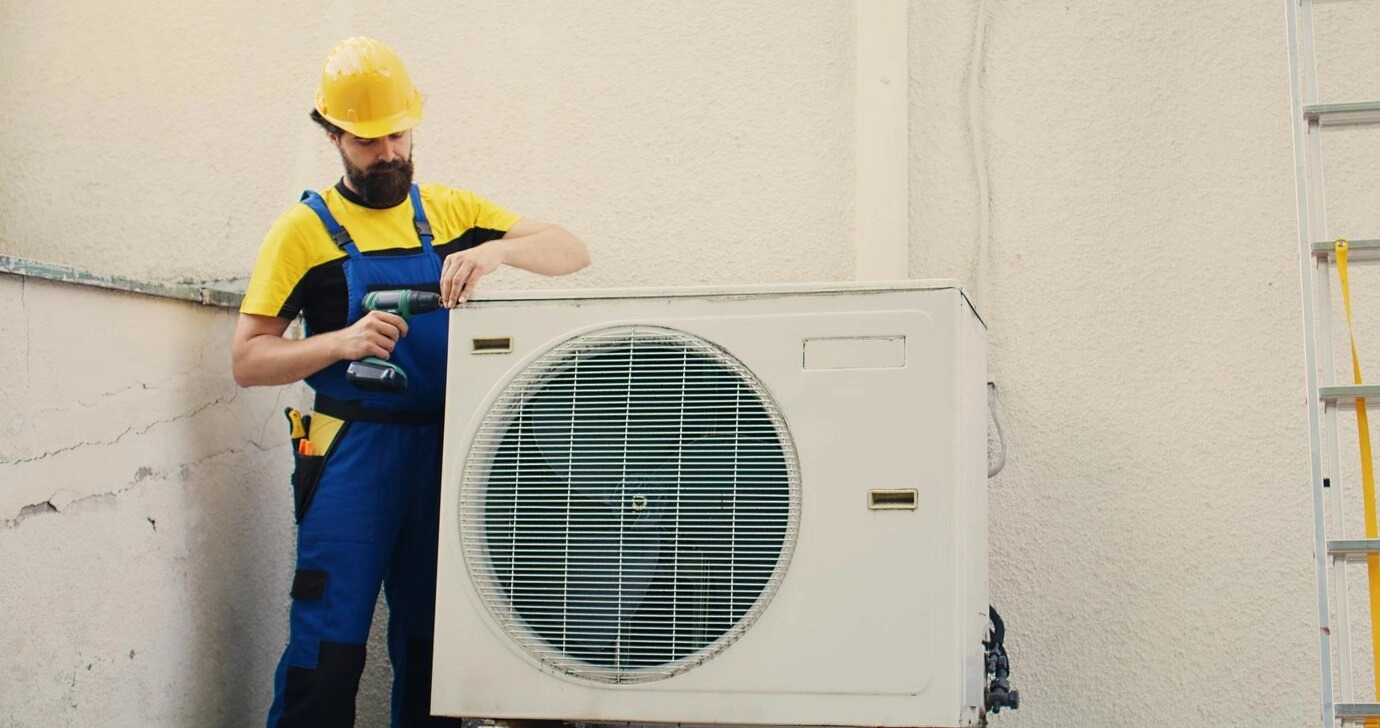
A Front Range central AC condenser sits outside through a dry, dusty summer and a hailstorm season, and both take a toll on the coils in ways a humid-climate AC unit never deals with. Choosing the right coil cleaner, and cleaning on the right schedule, is a Colorado-specific maintenance question, not a generic one.
Why Front Range Dust and Pollen Clog AC Coils Faster
Colorado's dry climate means less rain to naturally rinse an outdoor condenser, and cottonwood seed, pine pollen, and blowing dirt off open lots and construction sites build up on the coil fins across a single summer. A coil that would stay reasonably clean through a wet-climate season needs active cleaning here to keep airflow moving through the fins.
Foaming vs Non-Foaming Coil Cleaner: Which Fits a Colorado Condenser
Foaming cleaners expand and cling to vertical coil surfaces, which suits most outdoor Front Range condenser units and penetrates the caked-on dust and cottonwood seed common here. Non-foaming cleaners work better on horizontal indoor evaporator coils, where minimal runoff matters more than deep penetration. Match the cleaner type to the coil orientation, not just to whatever is on the shelf.
How Frequently to Clean AC Coils in a Colorado Climate
Clean the outdoor condenser coil twice a year on the Front Range: once in spring before cooling season starts, and once mid-summer after cottonwood season and any early hailstorms. A unit near a construction site, a gravel lot, or heavy cottonwood trees needs a check every 60 to 90 days through the season.
Hail Season Damage: Bent Fins and Coil Cleaning
Colorado's hail season runs April through September, and even a moderate hailstorm can bend condenser fins closed, trapping dust and debris the way a clogged coil does even after cleaning. A fin comb straightens bent fins back into alignment; a coil with fins bent shut needs combing before a cleaner does any good, since the cleaner cannot reach a coil the debris is trapped against.
DIY Coil Cleaning Cost vs a Professional Visit on the Front Range
A DIY coil cleaning kit, including cleaner and a soft brush, costs $20 to $50 and takes under an hour for an outdoor unit. A professional coil cleaning and full tune-up runs $125 to $250 on the Front Range and includes a fin check, a refrigerant pressure check, and a look at the electrical connections a DIY cleaning skips.
Evaporative Cooler Pad Cleaning vs Central AC Coil Cleaning
An evaporative cooler uses water-soaked pads instead of refrigerant coils, and Colorado's mineral content in tap water scales those pads with the same hard-water buildup that affects a water heater. Pads need replacement once a season, not cleaning, while a central AC coil gets cleaned rather than replaced. A home running an evaporative cooler needs a different maintenance calendar than one running central AC, and a home with both needs to track each separately.
Signs Your AC Coils Need Cleaning Before a Colorado Summer
Reduced airflow from the vents, longer run times to reach the set temperature, ice forming on the indoor coil or refrigerant lines, and a visibly dust-caked outdoor unit are the clearest signs a coil needs cleaning before the first 90-degree day arrives.
What Happens If You Never Clean AC Coils at 5,280 Feet
A dirty coil forces the compressor to work harder to move the same amount of heat, which raises the electric bill and shortens the compressor's life. At altitude, where the system already runs at a derated capacity, a dirty coil on top of that derate is what turns a hot July afternoon into a system that cannot keep up.
Cleaning Coils Before Listing a Colorado Home
A visibly dirty or hail-damaged condenser is one of the first things a buyer's inspector photographs. Cleaning and combing the coils before listing, and keeping the receipt, is a low-cost item on the same pre-listing punch list covered in the Kenna Real Estate Group's home-value prep guide.
What to Avoid When Cleaning Coils Near Landscaping and Pets
Most foaming and non-foaming coil cleaners rinse off with a garden hose after they finish breaking down grime, and that rinse water runs directly onto the ground next to the condenser. Choose a cleaner labeled non-toxic to plants and pets, rinse thoroughly, and keep pets away from the unit until the area dries, since a Front Range yard commonly sits within reach of a dog run or a garden bed right next to the pad.
Coil Cleaning as Part of a Colorado Home's Annual HVAC Budget
Budget $250 to $400 a year on the Front Range for combined AC and furnace upkeep: two coil cleanings, one professional tune-up, and filter replacements through the cooling season. That budget is small next to the cost of an early compressor replacement, which a chronically dirty coil is one of the most common causes of on a system already working at a Colorado altitude derate.
Ask for the printable Colorado AC maintenance checklist in the form below and we email it the same day.
Where to go next
- How Platinum HVAC Is Raising the Standard for Heating and Cooling in Colorado
- Why a High-Efficiency HVAC System Is the Secret Weapon for Colorado Home Sellers
- Preparing and adding value before you sell
- The Colorado Home Buyer's Guide
- Search every home for sale in Colorado
Talk to the Kenna Real Estate Group
The Kenna Real Estate Group notes AC condition, including coil and fin damage, on every Front Range listing walkthrough, so a buyer sees an accurate picture before making an offer. Call or text 303-955-4220. A live person answers. Not a robot, not a phone tree. Search every home for sale in Colorado.
Homes for sale that match this post
Guides
Questions about any home in Colorado? Call or text 303-955-4220. A live person answers.