.jpg)


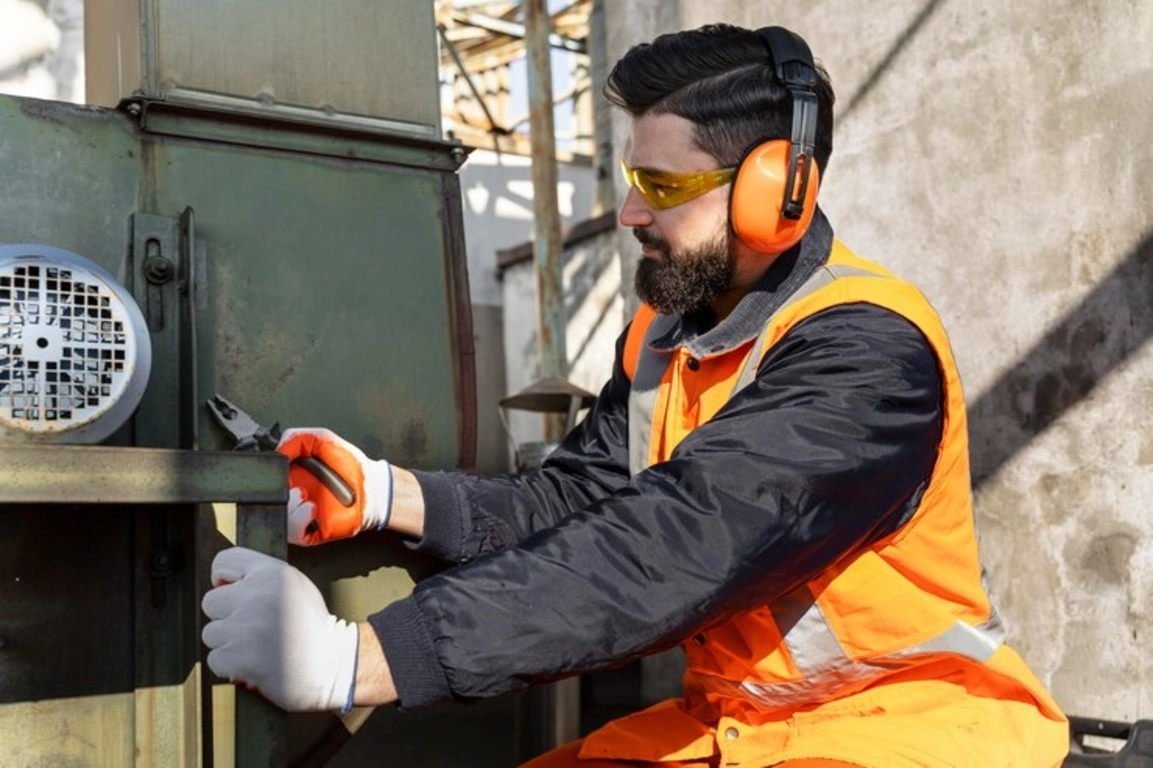
A Front Range home spends more on heating than cooling most years, and altitude, hail season and 300 days of sun all change the math on an energy bill. Tuning the furnace before the first cold snap, sizing equipment for 5,280 feet, and shifting habits around Xcel Energy's rate windows cut a typical Denver metro heating and cooling bill by a meaningful percentage without a single equipment upgrade.
How Much Heating and Cooling Costs in a Colorado Home
A 2,000 square foot Front Range home commonly spends $1,200 to $2,200 a year on combined heating and cooling, weighted toward the gas furnace bill from November through March. Older homes with single-pane windows and unsealed attics run toward the top of that range; a well-sealed, newer-build home in Highlands Ranch or Parker runs toward the bottom.
Why Altitude Changes Furnace Sizing
Denver sits at 5,280 feet, and fuel-gas code requires a gas furnace's input rating to be derated for elevation above 2,000 feet, or the unit has to be a model built and certified for high-altitude installation. A furnace sized for sea level and installed on the Front Range without that adjustment burns fuel inefficiently and can short-cycle. Ask any HVAC contractor bidding a furnace replacement to confirm the unit is rated for Denver's elevation before signing the contract, and pull the permit through your city or county building department.
Evaporative Cooling vs. Central Air Conditioning
Colorado's dry climate makes an evaporative cooler, known locally as a swamp cooler, a real option that central air conditioning is not everywhere else in the country. An evaporative cooler runs on a fraction of the electricity a compressor-based AC unit uses and costs $1,500 to $3,000 installed, against $4,000 to $8,000 or more for a central air system. The trade-off shows up during the July and August monsoon, when humidity climbs and an evaporative cooler loses effectiveness while a central AC keeps performing.
| Factor | Evaporative Cooler | Central Air Conditioning |
|---|---|---|
| Typical installed cost | $1,500-$3,000 | $4,000-$8,000+ |
| Operating cost | Lower electricity draw | Higher electricity draw |
| Performance in monsoon humidity (Jul-Aug) | Drops noticeably | Unaffected by humidity |
| Maintenance | Pads and water reservoir, seasonal | Filter, coil and refrigerant checks |
Xcel Energy Rebates and Time-of-Use Rates
Xcel Energy Colorado publishes an annual rebate catalog for high-efficiency furnaces, heat pumps, smart thermostats and attic insulation; the dollar amount changes every program year, so pull the current figure from xcelenergy.com before buying equipment rather than relying on last year's number. Xcel has also been shifting Front Range customers onto time-of-use pricing, which charges more for electricity used during the late-afternoon and early-evening peak window. Running the dishwasher, laundry and, where the system allows it, the AC compressor outside that peak window lowers the bill under a time-of-use plan.
Thermostat Settings That Work at 5,280 Feet
68 degrees while home and awake in winter, with a setback of 6 to 8 degrees overnight and while the house is empty, keeps a Front Range furnace from working harder than it needs to without a comfort penalty. In summer, 76 to 78 degrees while home and a wider setback while out uses meaningfully less energy than holding a house at 70 degrees around the clock. A smart or programmable thermostat automates the setback so the savings happen without anyone remembering to adjust a dial.
HVAC Zoning for Multi-Level Front Range Homes
Zoning splits a home into sections, each with its own thermostat, damper and controller, so a two-story house does not heat or cool an empty basement or a rarely used bonus room at the same rate as the main living space. Zoning is worth pricing on any home over 2,500 square feet or any layout with a walkout basement, since it stops paying to condition square footage nobody is using.
Sealing Leaks in Older Denver-Area Homes
Homes built before 1980 around Denver, Aurora and Lakewood commonly lose conditioned air through rim joists, attic hatches, and gaps around plumbing and electrical penetrations. Caulking and weatherstripping those points, plus adding attic insulation to current code depth, is one of the least expensive fixes available and pays back within a season or two on a typical Front Range gas bill.
Filter Changes and Tune-Ups
A standard 1-inch furnace filter needs replacing every 60 to 90 days during the winter heating season and again during summer cooling; homes with pets or near unpaved roads should check monthly. A fall furnace tune-up before the first hard freeze, paired with a spring AC or evaporative cooler check, catches a failing part before it fails on the coldest or hottest week of the year.
Front Range freeze-thaw cycles and the mag chloride crews spread on winter roads also affect outdoor AC condensers and heat pump units mounted near a driveway or street-facing wall. Rinsing the condenser coils each spring and keeping the unit's concrete pad level, since expansive clay soils can shift it over a few winters, protects the equipment and keeps it running at its rated efficiency.
Permits for a Furnace or AC Replacement
A furnace or central air conditioner swap requires a mechanical permit in Denver and in most Front Range cities and counties, pulled by the licensed contractor doing the work. Arapahoe, Jefferson and Douglas counties each run their own permitting and inspection process for unincorporated areas, so confirm which jurisdiction covers the property before scheduling the install. Skipping the permit on a replacement can surface later as an open-permit flag during a buyer's title search.
Insulate First, or Upgrade Equipment First
Air sealing and attic insulation cost less than a furnace or AC replacement and reduce the load the equipment has to handle, so a Front Range home due for both should seal and insulate first, then size the new equipment to the tightened building. Replacing an oversized furnace with a correctly sized unit after insulating also lowers the equipment's price, since a smaller unit costs less to buy and install.
What an Efficient HVAC System Does for a Sale
Buyers and their inspectors on the Front Range flag an old furnace or a failing AC unit fast, and it becomes a negotiating point during the inspection period. A documented tune-up history and a furnace under 15 years old strengthens a listing's position; see what to fix before listing a Colorado home and how a Smart Pricing Report factors mechanical age into a Colorado home's listing price.
Where to go next
- Why a high-efficiency HVAC system is a secret weapon for Colorado sellers
- Heating and cooling service standards in Colorado
- Denver utility providers and costs guide
- Preparing and adding value before selling
- Search every home for sale in Colorado
Talk to the Kenna Real Estate Group
Whether an aging furnace is holding back a listing price or a buyer wants to know what a Front Range energy bill really runs, the Kenna Real Estate Group walks Colorado homeowners through the mechanical condition that affects a sale. Call or text 303-955-4220. A live person answers. Not a robot, not a phone tree. Ready to look at homes instead? Search every home for sale in Colorado.
Homes for sale that match this post
Guides
Questions about any home in Colorado? Call or text 303-955-4220. A live person answers.