New - 15 Mins Ago

.jpg)


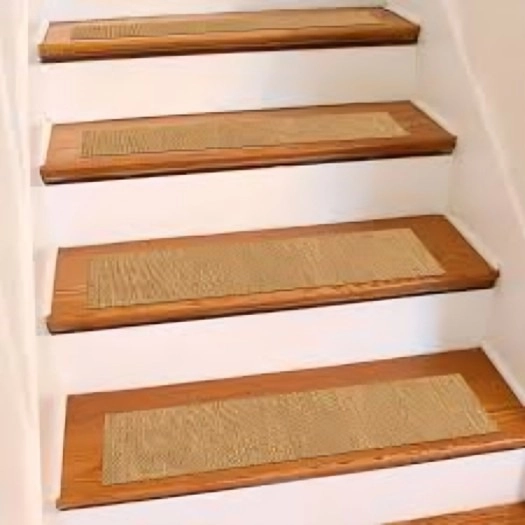
Non-slip stair treads add traction to hardwood, tile, or laminate stairs for $30 to $150 per set of a typical staircase, install in an afternoon without tools, and protect the stair surface from the wear that snow, mud, and daily foot traffic cause over a Colorado winter. They are one of the least expensive upgrades a Front Range homeowner can make before a season of icy boots and wet paws track across bare wood or tile steps.
Yes. Bare hardwood, tile, and laminate stairs lose traction fastest when wet, and Colorado's mag-chloride-treated winter roads track moisture and residue indoors on boots and paws for months at a time. Treads add grip directly where feet land, reducing the chance of a slip on the exact surfaces that get slick during snow season.
Snowmelt, mud, and the mag chloride used on Colorado roads and driveways all end up on boot soles and paws, then transfer onto bare stair surfaces. Combine that with dry indoor heating air, which can leave socks and smooth-soled shoes with less grip than they'd have in a humid climate, and stairs become noticeably more slick from roughly October through April.
A full staircase of adhesive-backed rubber or carpet treads runs $30 to $150 for materials on a typical 13- to 15-step Front Range staircase, with most homeowners installing them without a contractor. Compare that to $800 to $2,500 for a full carpet runner installed by a professional, or several thousand dollars for a stair renovation.
Rubber stair treads adhere to hardwood, tile, laminate, and painted stairs with a peel-and-stick backing designed for each surface type. Confirm the adhesive is rated for your specific stair material before ordering, since tile and hardwood commonly need different adhesive strength than laminate.
Clean and dry each step, measure the tread width and depth, and press the adhesive-backed tread into place starting at the back edge of the step. Most sets install in under an hour for a full staircase with no tools beyond a tape measure and a level, which makes them a practical option for renters who cannot make permanent changes.
Yes. Constant foot traffic scuffs and dents bare wood stairs over time, and Colorado's dry indoor air already makes hardwood more prone to surface wear than it would be in a humid climate. A tread acts as a barrier between shoes and the wood, which protects the finish and can delay the need for refinishing.
Yes. Low indoor humidity, common across the Front Range in winter, can cause wood stair treads and risers to shrink slightly and show more surface wear than the same stairs would in a humid climate. Treads add a protective layer over that surface and can reduce the visible wear that shows up in a dry-climate home over several winters.
A worn or scuffed staircase stands out to buyers walking through a listing, and treads are an inexpensive way to present clean, protected stairs during showings. For a permanent finish before listing, refinishing the stairs is a bigger investment; treads are the lower-cost option if the wood underneath is in good condition and just needs protecting through the listing period. See Preparing and Adding Value Before Selling for more low-cost fixes that help a Front Range listing show well.
Rubber and vinyl treads wipe clean easily and resist water better than carpet treads, making them a practical choice for an entry staircase that sees boots and wet paws through the winter. Carpet treads add more cushion and sound dampening but hold moisture longer and need more frequent cleaning during snow season.
Yes, to a degree. Cushioned rubber, vinyl, or carpet treads absorb some impact noise from footsteps compared to bare hardwood or tile, which helps in a home with a bedroom or home office near the stairwell. A full carpet runner reduces more noise than individual treads if sound is the main concern.
Yes. Adhesive treads install and remove without permanent damage to the stairs, which makes them practical for landlords who want to add traction and protect stair finishes between tenants without a full renovation. Confirm removal instructions match your specific stair finish before installing, since some adhesives are stronger than others.
Individual treads cover just the horizontal step surface and cost $30 to $150 installed as a DIY project; a full runner covers the step and riser in one continuous piece, costs $800 to $2,500 professionally installed, and reads as a more finished, permanent look. Treads are the faster, lower-cost option; a runner is the bigger investment for a home you plan to stay in long term.
Yes. Dogs and cats, especially on hardwood or tile, can lose footing on bare stairs the same way people do. Treads give paws something to grip, which matters most for pets already hesitant to use stairs on a smooth surface.
Most adhesive-backed treads are designed to remove cleanly from a sealed or finished surface, though results vary by adhesive strength and how long the tread has been in place. Test a small section first if you are renting or plan to sell the home with the original stair finish intact.
For the cost, yes. A clean, gripped staircase reads as well maintained to a buyer walking through, and the fix takes an afternoon rather than a multi-day refinishing project. Pair it with the other low-cost pre-listing fixes in your prep checklist for the best return on the time invested.
Measure each step's width and depth before ordering, since Front Range staircases vary enough between older and newer construction that a universal-size set does not always fit cleanly to the edges. Confirm the adhesive backing is rated for your stair surface, count the exact number of steps including any landing, and buy one or two extra treads in case a step is a different size than the rest. Ordering the right count and size the first time avoids a second shipment and a mismatched install partway up the staircase.
The Kenna Real Estate Group can point you to the low-cost fixes, including stair treads, that help a Front Range home show well before listing. Call or text 303-955-4220. A live person answers. Not a robot, not a phone tree. Getting ready to list or buy? Search every home for sale in Colorado.
Questions about any home in Colorado? Call or text 303-955-4220. A live person answers.
A full set of adhesive-backed rubber or carpet treads runs $30 to $150 in materials for a typical 13- to 15-step staircase, installed without a contractor.
Snowmelt, mud, and mag chloride from treated roads track indoors on boots and paws, and dry indoor heating air can leave smooth-soled shoes with less grip than in a humid climate.
Adhesive-backed treads are made for hardwood, tile, laminate, and painted stairs. Confirm the adhesive strength matches your specific surface before ordering.
Yes. Low indoor humidity can cause wood treads and risers to show more surface wear over time; a tread adds a protective layer over the finish.
Treads cost $30 to $150 and install as a DIY project in under an hour; a full runner costs $800 to $2,500 professionally installed and gives a more permanent, finished look.
It is one of the lowest-cost ways to present a clean, protected staircase during showings, though refinishing is the better option if the wood itself needs repair rather than protection.
Yes. Adhesive treads install and remove without permanent damage on most finishes, making them practical for a rental staircase between tenants.
Yes. They give paws more grip on bare hardwood or tile, which helps pets that already hesitate on smooth stair surfaces.


