
.jpg)


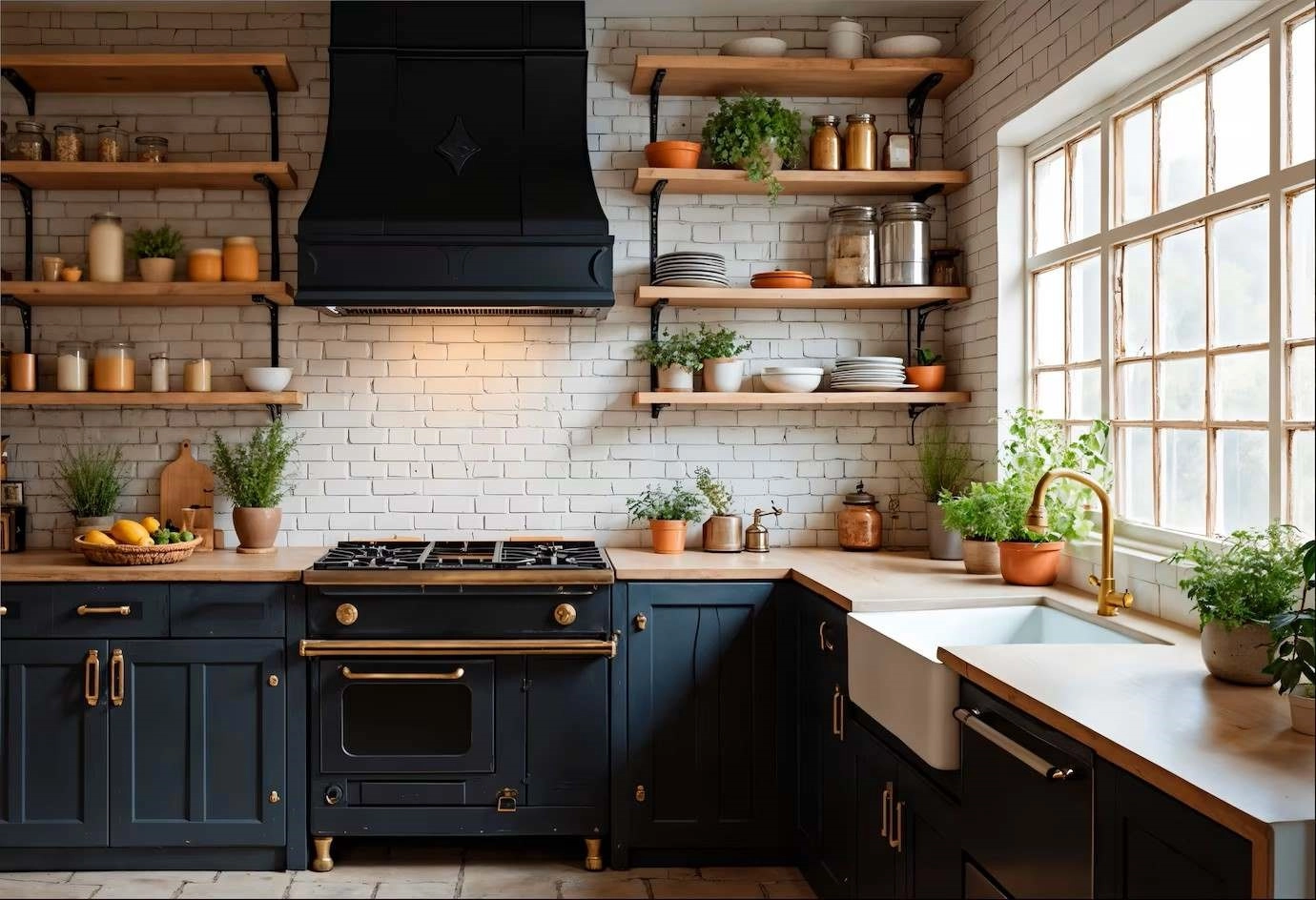
A G-shaped kitchen remodel in Colorado works when the layout, materials, and permits are planned around the state's dry climate, hard water, and Front Range resale expectations. This guide walks through the eight decisions that matter most, from the shape of the counter run to what a Denver, Aurora, or Colorado Springs buyer expects to see when the home goes on the market.
A G-shape wraps counter on three walls plus a peninsula, which gives one continuous run for prep, cooking, and cleanup without crossing traffic through the middle of the room. On a standard Denver metro lot, that fourth leg works best when it doubles as a breakfast bar or a landing spot for the cook, so measure the walking path around the peninsula before ordering cabinets — 42 to 48 inches of clearance keeps two people moving without a collision.
Denver, Aurora, Lakewood, Littleton, Colorado Springs, and Fort Collins each run their own permit desk, but the trigger is the same across the Front Range: a permit is required for plumbing or electrical work that is not a like-for-like swap. Moving a sink drain, relocating a gas line for a range, or adding a circuit for an induction cooktop all need a permit and an inspection. Swapping a faucet in place or refacing cabinet doors without touching a pipe or a wire does not require one. Confirm the exact threshold with the local building department before the plumber shows up — the rule changes slightly by city.
Most HOA covenants do not reach the layout of an interior kitchen, but attached homes, townhomes, and condos can require sign-off when the work touches a shared plumbing stack, a load-bearing wall, or the building's electrical panel. If the property sits inside a metro district, check the district's construction rules too — several require a refundable deposit and set hours for contractor parking and dumpster placement on the street. Pull the covenants and the metro district packet before you sign a contractor.
Denver's humidity sits in the 30s most of the year, and a heated home runs drier still in January. Solid wood cabinet doors and drawer fronts shrink and gap along the grain in a dry winter the way they do not in a humid August. A frameless, slab-door cabinet box moves less than a raised-panel door, and a cabinet line that finishes both sides of the door — not just the front — holds its shape better through a full Front Range heating season. For counters, quartz stays dimensionally stable regardless of humidity; natural stone is fine too, but seal it on the schedule the fabricator gives you.
Front Range water runs 7 to 15 grains per gallon depending on the supplier — Denver Water tends toward the lower end, and some Aurora and Douglas County systems run higher. That hardness leaves white mineral spots on stainless and polished chrome, and it etches glass range-hood panels and cabinet glass over a few years without a softener or a regular vinegar wipe-down. Matte black, brushed nickel, and dark bronze finishes hide hard-water spotting far better than polished chrome or bright stainless.
Much of the Front Range sits on expansive, bentonite-bearing clay that swells and shrinks with moisture. Homes on a slab, or with any documented history of foundation movement, are the ones that see a new tile floor or a full-height backsplash crack along a grout line within a year or two. Budget for a crack-isolation membrane under new floor tile if the home has documented slab movement, or choose a larger-format tile with fewer grout lines to reduce the number of places a hairline crack can show.
A cabinet-and-counter refresh that keeps the existing footprint runs several thousand dollars for materials and labor on a Denver-metro kitchen; a full gut that moves plumbing and electrical, adds an island, and replaces flooring runs well into five figures. Get at least three Front Range bids before signing, and ask each contractor for their Denver, Jefferson County, or El Paso County permit history — a contractor who pulls permits regularly moves faster through inspection than one who does not.
A mid-range kitchen update that keeps the existing layout — new counters, cabinet fronts, appliances, and lighting — recoups a larger share of its cost at resale than a full gut-and-expand project does. Buyers pay for a kitchen that photographs well and functions, not for moved walls. Our guide to adding value before selling breaks down which finishes Front Range buyers actually pay more for, and a Smart Pricing Report shows how a finished kitchen compares to the closed sales on your specific street.
Colorado's Seller's Property Disclosure form asks directly about known defects and about work done without a permit. Answer it accurately. An unpermitted electrical or gas change is one of the more common reasons a Front Range deal reopens on price after inspection, and it is far cheaper to close the permit now than to explain a gap in the file during a 30-day closing.
Colorado's standard contract sets an inspection objection deadline, commonly around ten days after acceptance, so finish the remodel, close out permits, and gather receipts before the home goes on the market. An open permit, a missing GFCI outlet near the sink, or a gas line without a sign-off are the flags Front Range inspectors write up most frequently on a remodeled kitchen, and each one gives a buyer's agent grounds to reopen negotiation.
A peninsula keeps the G-shape's continuous counter run and works in kitchens under roughly 150 square feet. A freestanding island needs more clearance on every side — at least 42 inches for a single cook, 48 for two — and only pays off once the room is large enough to walk a full loop around it. Measure before you decide; a cramped island reads worse to a buyer than no island at all.
Entry-level Front Range buyers, roughly $400,000 to $550,000, look for a kitchen that is clean and works, not a designer showroom. Mid-market buyers, $550,000 to $850,000, expect quartz or stone counters and some form of island or peninsula seating. Above $850,000, buyers compare the kitchen against fully custom builds and will discount a builder-grade remodel on the spot. Match the finish level to the neighborhood's closed sales, not to a magazine spread.
Some Front Range homeowners extend a G-shaped kitchen into an attached garage bay, or add an accessory dwelling unit with its own small kitchen. Either project runs on the same permit logic as the main remodel, just with an added zoning review. Firms that specialize in this work, like the ADU contractors who handle garage and ADU conversions, follow a staging process similar to what Front Range building departments expect, though every Colorado city and county sets its own zoning rules for ADUs.
Cash savings, a home equity line, and a cash-out refinance are the three paths most Front Range homeowners weigh. Each has a different effect on the monthly payment and on how much equity is left if the home sells within a few years, so run the numbers before committing. Our financing guide and Kenna Credit Care walk through the trade-offs, and you are free to use any lender you choose.
Ask for references from a job completed in the same city within the past two years, and ask to see the closed permit, not just the invoice. A contractor who has pulled permits in Denver, Jefferson County, and El Paso County knows the inspection quirks of each and will price the job accordingly instead of guessing.
Whether you are remodeling to stay or remodeling to sell, we can walk your Front Range kitchen against recent closed sales and tell you which changes buyers actually pay for. Call or text 303-955-4220. A live person answers. Not a robot, not a phone tree. Ready to look while the work is underway or before you list? search every home for sale in colorado.
Questions about any home in Colorado? Call or text 303-955-4220. A live person answers.
Yes, for any plumbing or electrical work that is not a like-for-like swap, including moving a sink or adding a circuit. A straight faucet swap or cabinet refacing does not need one, but confirm with the local building department.
Front Range water runs 7 to 15 grains per gallon depending on the supplier. Choose matte black, brushed nickel, or dark bronze fixtures to hide the mineral spotting hard water leaves on polished finishes.
Yes. Denver's low humidity and a heated home in winter can shrink and gap solid wood doors along the grain. Frameless, slab-door cabinets finished on both sides move less through the year.
It can on a slab or in a home with documented foundation movement. A crack-isolation membrane under new tile, or a larger-format tile with fewer grout lines, reduces the risk.
Colorado's standard contract sets an inspection objection deadline, commonly around ten days after acceptance. Finish the remodel and close every permit before listing so an inspector has nothing open to flag.
Yes. Colorado's Seller's Property Disclosure form asks about known defects and about work completed without a permit. Answer it accurately and close any open permit before you list.
A mid-range update that keeps the existing layout recoups a larger share of its cost than a full gut-and-expand project. A Smart Pricing Report compares your finished kitchen to closed sales on your street.
A cabinet-and-counter refresh that keeps the existing footprint runs several weeks. A full gut that moves plumbing and electrical and adds an island runs two to three months with permitting.


